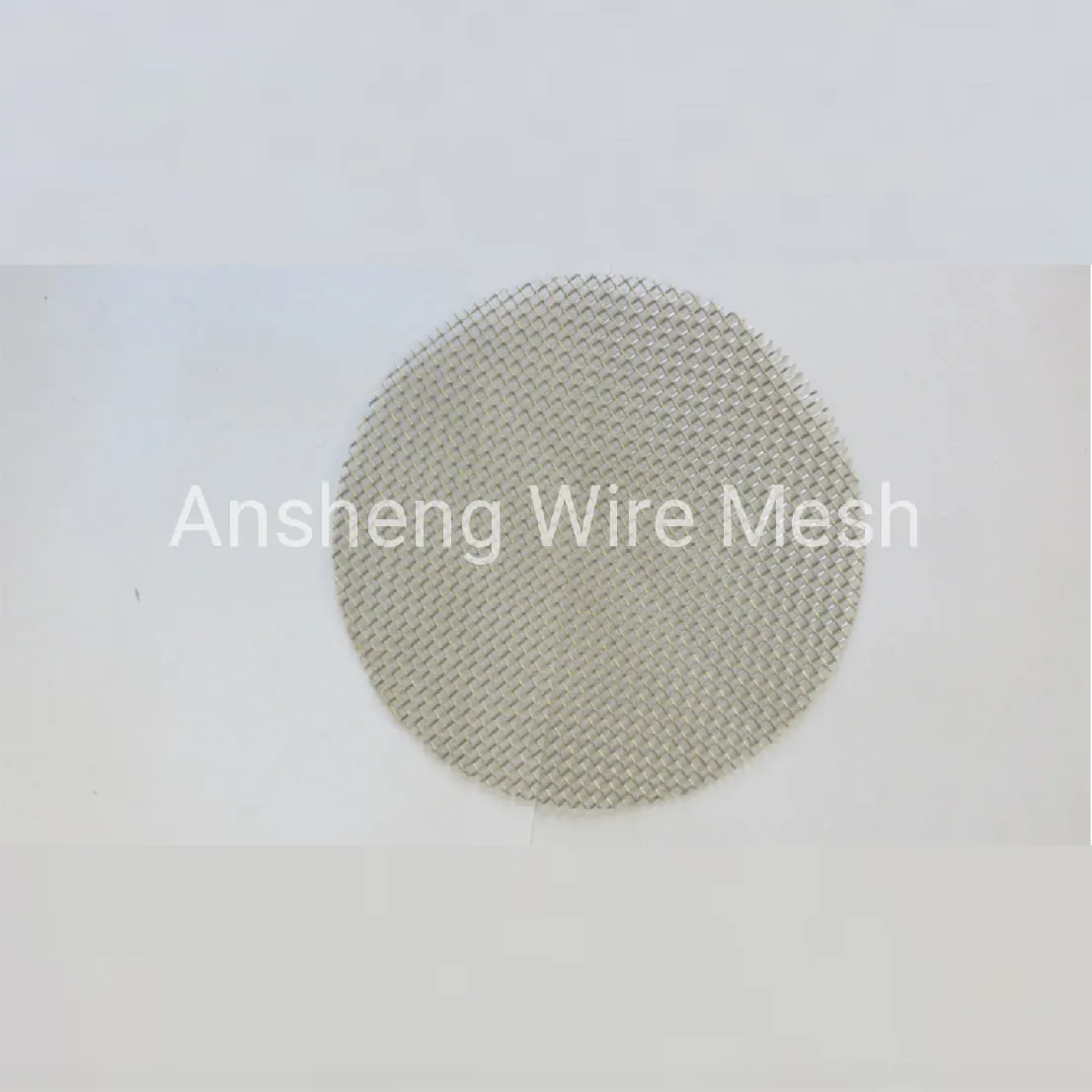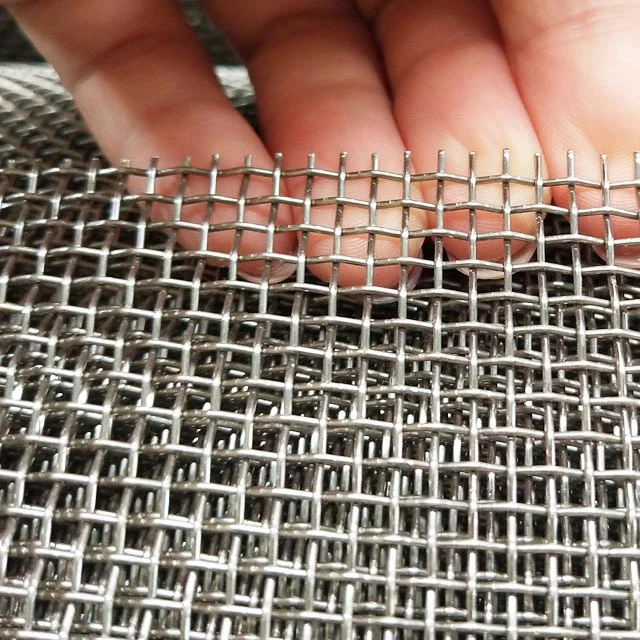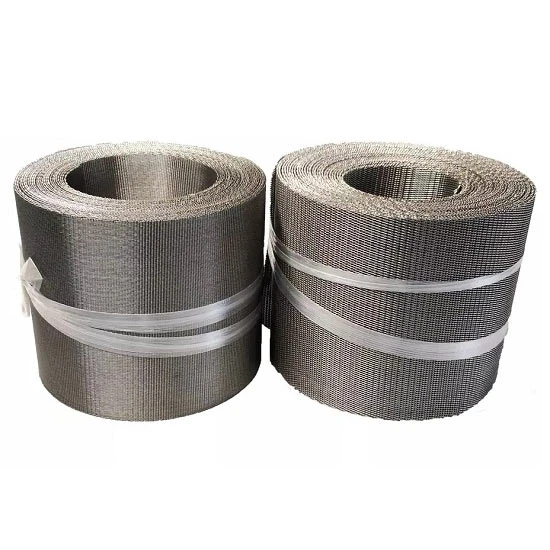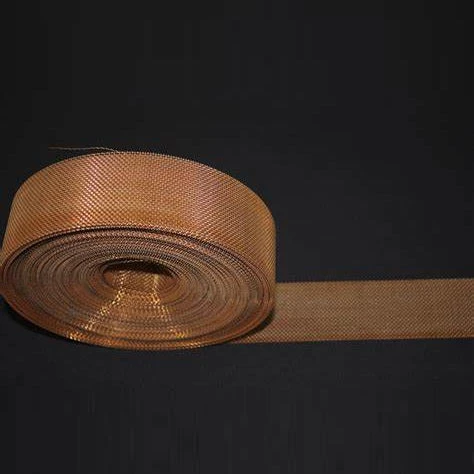

Introduction to Advanced Stainless Welded Wire Mesh Solutions
In the demanding landscape of industrial applications, the integrity and performance of filtration, separation, and structural components are paramount. stainless welded wire mesh stands as a cornerstone material, offering unparalleled durability, corrosion resistance, and structural stability. This highly engineered product is critical across a multitude of B2B sectors, from petrochemical and pharmaceuticals to food processing and environmental engineering. Its precise construction, achieved through advanced welding techniques, ensures uniform apertures and robust mechanical properties, making it an indispensable asset for critical infrastructure and high-performance systems. The evolution of manufacturing technologies continually enhances the capabilities of these mesh products, enabling greater efficiency and reliability in challenging operational environments.
Beyond its primary function in filtration and screening, stainless welded wire mesh serves as a vital component in architectural design, security fencing, and animal containment, highlighting its versatility. The material's inherent strength-to-weight ratio and aesthetic appeal further broaden its application spectrum. This article delves into the intricate details of its production, technical specifications, diverse applications, and the competitive advantages it offers, providing a comprehensive guide for industry professionals seeking robust and reliable mesh solutions.
Industry Trends and Market Dynamics
The market for stainless welded wire mesh is experiencing dynamic growth, driven by several key macro and micro-economic factors. Globally, increased investment in infrastructure development, particularly in emerging economies, fuels demand for construction materials, including high-strength security fencing and reinforcing mesh. The burgeoning food and beverage industry, coupled with stringent hygiene standards, necessitates sanitary and corrosion-resistant materials for processing, filtration, and storage, positioning stainless steel mesh as an ideal solution. Furthermore, the expansion of renewable energy sectors, such as solar and wind power, requires durable materials for protective screens and structural components, contributing significantly to market growth.
- Environmental Regulations: Stricter environmental protection regulations worldwide are driving demand for advanced filtration and separation technologies in water treatment, waste management, and air purification, where stainless welded wire mesh plays a crucial role.
- Technological Advancements: Innovations in welding technology, such as resistance welding with precise computerized controls, allow for the production of finer meshes with higher accuracy and consistency, expanding application possibilities.
- Material Science Evolution: The development of new stainless steel alloys, offering enhanced properties like super-duplex stainless steels for extreme corrosive environments, continues to push the boundaries of mesh performance.
- Customization Demand: A growing trend towards custom-engineered solutions, where mesh panels are designed to exact specifications for unique industrial processes, is also shaping the market. This often includes specific wire diameters, mesh openings, and panel dimensions tailored to bespoke filtration or structural requirements.
According to recent industry reports, the global wire mesh market is projected to grow at a Compound Annual Growth Rate (CAGR) of approximately 4.5% from 2023 to 2030, with the stainless steel segment being a significant contributor due to its superior properties and widening application base.
Process Flow: Manufacturing Stainless Welded Wire Mesh
The production of stainless welded wire mesh is a highly specialized process, ensuring dimensional accuracy, structural integrity, and material performance. It typically involves several critical stages, each contributing to the final product's quality and suitability for demanding industrial applications.
Detailed Manufacturing Steps:
-
1. Material Selection and Preparation:
The foundation of high-quality stainless welded wire mesh lies in selecting premium-grade stainless steel wire. Common alloys include SS304 (for general-purpose applications requiring good corrosion resistance), SS316 (for enhanced resistance to chlorides and acidic environments, often used in marine or chemical processing), and SS316L (a low-carbon version of 316, reducing carbide precipitation during welding, ideal for heavy gauge welded mesh). Wires are typically supplied in coils and must meet strict chemical composition and mechanical property standards, often verified against ASTM A580 or equivalent international specifications. Before welding, wires undergo cleaning processes to remove any surface contaminants that could compromise weld quality.
-
2. Wire Straightening and Cutting:
The coiled wires are fed into automatic straightening and cutting machines. These machines ensure the wires are perfectly straight and cut to precise lengths for both longitudinal (line) and transverse (cross) wires. This step is crucial for maintaining consistent mesh aperture sizes and preventing warp or distortion in the final product. Advanced CNC machining is often employed here to guarantee accuracy.
-
3. Automated Resistance Welding:
This is the core process for creating stainless welded wire mesh. Longitudinal wires are continuously fed from coils or pre-cut lengths, while transverse wires are intermittently fed across them at predetermined intervals. The intersection points are then resistance welded. This method involves passing a high electric current through the junction, generating heat that melts and fuses the wires together without the need for filler material. Modern welding machines utilize sophisticated programmable logic controllers (PLCs) to precisely control welding parameters such as current, voltage, pressure, and duration, ensuring strong, uniform, and consistent welds. This process is fully automated to achieve high production rates and exceptional quality consistency, conforming to standards like ANSI/AWS D1.6 (Structural Welding Code—Stainless Steel).
-
4. Post-Welding Treatment (Optional but Recommended):
Depending on the application, the welded mesh may undergo post-treatment processes. This can include:
- Pickling and Passivation: To remove any heat tint or scale from the welding process and restore the passive layer of the stainless steel, enhancing its corrosion resistance. This treatment is critical for applications in corrosive environments (e.g., petrochemical, marine).
- Electropolishing: For applications requiring extremely smooth, clean, and hygienic surfaces, such as in the food and pharmaceutical industries.
- Annealing: To relieve internal stresses induced during welding, which can improve ductility and fatigue resistance.
-
5. Quality Control and Finishing:
Throughout the process, rigorous quality control checks are performed. This includes visual inspection for weld integrity, aperture size verification using precision gauges, and material strength testing. Finished rolls or panels of stainless welded wire mesh are then trimmed to final dimensions, ensuring they meet customer specifications before packaging for shipment. This adherence to quality control ensures the product meets or exceeds international testing standards such as ISO 9001 for manufacturing quality management.
The emphasis on precision, material integrity, and controlled welding parameters at every stage ensures that the final stainless welded wire mesh product delivers superior performance, extended service life, and consistent quality, thereby offering significant advantages such as energy saving through optimized filtration or enhanced corrosion resistance in harsh industrial environments.
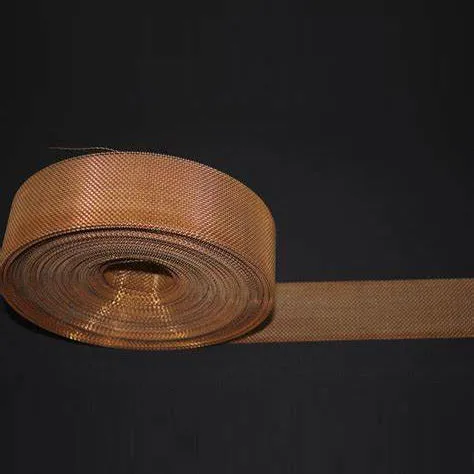
Figure 1: High-precision automated welding process for stainless steel mesh production.
Technical Specifications and Material Science
Understanding the technical specifications of stainless welded wire mesh is crucial for selecting the appropriate product for a given application. These specifications directly impact the mesh's performance, durability, and cost-effectiveness. Key parameters include wire diameter, mesh count (or aperture size), material grade, and panel dimensions.
Key Parameters:
- Wire Diameter: Typically ranges from 0.5mm to 6mm, influencing the mesh's strength and open area. Thicker wires provide greater structural rigidity.
- Mesh Count / Aperture Size: Refers to the number of openings per linear inch (mesh count) or the clear opening between parallel wires (aperture size). Common sizes range from 1/4 stainless steel mesh (approx. 6.35mm opening) up to 2-inch openings. Finer meshes are ideal for filtration, while coarser meshes are used for structural support or security.
- Material Grade: Primarily SS304, SS316, and SS316L, each offering distinct levels of corrosion resistance and mechanical properties. The choice depends on the environmental conditions and chemical exposure.
- Panel/Roll Dimensions: Available in standard rolls (e.g., 3ft x 100ft, 4ft x 100ft) or custom-sized panels to minimize waste and optimize installation.
Product Specification Table: Standard Stainless Welded Wire Mesh
| Parameter | SS304 Mesh (Typical) | SS316 Mesh (Typical) | SS316L Mesh (Typical) |
|---|---|---|---|
| Material Composition | 18% Cr, 8% Ni, | 16-18% Cr, 10-14% Ni, 2-3% Mo, | 16-18% Cr, 10-14% Ni, 2-3% Mo, |
| Corrosion Resistance | Good; general atmospheric exposure, fresh water | Excellent; chlorides, acids, marine environments | Excellent; enhanced intergranular corrosion resistance post-welding |
| Tensile Strength (MPa) | 515-690 | 515-690 | 485-620 |
| Typical Wire Diameter Range (mm) | 0.5 - 6.0 | 0.5 - 6.0 | 0.5 - 6.0 |
| Typical Mesh Opening (mm) | 6.35 - 50.8 (1/4" to 2") | 6.35 - 50.8 (1/4" to 2") | 6.35 - 50.8 (1/4" to 2") |
| Operating Temperature (Max, °C) | ~870 | ~925 | ~925 |
The selection of the correct mesh specification, including wire diameter and aperture size, directly impacts filtration efficiency, flow rates, and mechanical strength. For instance, a finer stainless woven mesh might offer superior particle retention but at the cost of reduced flow, whereas a stainless screen mesh designed for heavy-duty sifting will prioritize robustness and open area.
Application Scenarios and Case Studies
The versatility and robust properties of stainless welded wire mesh make it indispensable across a vast array of industrial and commercial applications. Its ability to withstand harsh environments while maintaining structural integrity positions it as a preferred choice over less durable alternatives.
- Petrochemical Industry: Used in catalytic converters, support grids for packed columns, and various filtration processes where high temperatures, corrosive chemicals, and pressure are common. Its corrosion resistance ensures long service intervals, reducing maintenance costs.
- Food and Beverage Processing: Essential for hygiene-critical applications like drying trays, conveyor belts, oven racks, and filtration of liquids. SS304 and SS316L grades are commonly chosen due to their non-reactive properties and ease of cleaning, meeting FDA compliance for food contact materials.
- Water Treatment and Wastewater Management: Employed in intake screens, filter baskets, and dewatering screens due to its excellent resistance to rust and bio-fouling in aquatic environments.
- Mining and Quarrying: Heavy-gauge stainless welded wire mesh serves as robust screening media for aggregates, allowing for efficient separation of materials under abrasive conditions.
- Architecture and Construction: Used for protective barriers, infill panels, decorative facades, and structural reinforcement. Its modern aesthetic and durability contribute to both functional and artistic designs.
- Security and Fencing: High-strength, anti-climb mesh panels offer superior security for perimeter fencing, animal enclosures (e.g., specialized stainless chicken wire), and industrial facilities. The welded joints make it significantly harder to cut compared to traditional woven fences.
- Automotive Industry: Utilized in air intake filters, exhaust system components, and battery screens where temperature resistance and durability are vital.
Application Case Study: Pharmaceutical Filtration System
A leading pharmaceutical manufacturer required an ultra-clean, corrosion-resistant filtration medium for its active pharmaceutical ingredient (API) production line. Traditional materials exhibited signs of corrosion and particulate shedding, leading to contamination risks and frequent downtime. We provided a custom-engineered stainless welded wire mesh filter cartridge made from SS316L with a precise 1/4 stainless steel mesh aperture, electropolished to achieve a surface roughness Ra of
Results: The new filtration system dramatically reduced contamination incidents, extended filter cartridge lifespan by 40%, and minimized cleaning cycles. The client reported a significant improvement in process efficiency and product purity, directly attributing these gains to the high-quality and sterile properties of the specialized stainless welded wire mesh. This successful implementation underscores the critical role of precision-engineered stainless steel mesh in highly sensitive industries.
Technical Advantages of Stainless Welded Wire Mesh
The advantages of stainless welded wire mesh over other materials or mesh types are profound, making it a superior choice for many demanding B2B applications. These benefits contribute to enhanced operational efficiency, reduced maintenance, and long-term cost savings.
- Superior Corrosion Resistance: Stainless steel, particularly grades like SS304, SS316, and SS316L, inherently resists rust, oxidation, and corrosion from a wide range of chemicals, salts, and atmospheric conditions. This is a significant advantage over galvanized or carbon steel meshes, which are prone to degradation in harsh environments, ensuring a longer service life and lower replacement frequency.
- High Strength and Rigidity: The welded junctions provide a strong, monolithic structure where each wire intersection is permanently fused. This results in exceptional dimensional stability and mechanical strength, preventing unraveling or deformation under stress, impact, or vibration, unlike a stainless woven mesh which can shift or fray.
- Consistent Aperture Size: The precision welding process guarantees uniform and stable mesh openings. This consistency is crucial for accurate filtration, screening, and sizing applications, ensuring reliable performance without bypass or clogging issues.
- Excellent Hygiene and Cleanability: The smooth, non-porous surface of stainless steel, especially after electropolishing, makes it resistant to bacterial growth and easy to clean and sterilize. This is vital for food processing, pharmaceutical, and medical applications.
- Temperature Resistance: Stainless steel maintains its mechanical properties across a broad range of temperatures, from cryogenic to high heat, making it suitable for processes involving extreme thermal conditions.
- Aesthetic Appeal: The bright, clean finish of stainless steel offers a modern and professional appearance, making it suitable for architectural and decorative applications where visibility and aesthetics are important.
- Durability and Longevity: Due to its inherent properties and robust construction, stainless welded wire mesh offers an extended service life, reducing the total cost of ownership over time.
Vendor Comparison and Selection Criteria
Choosing the right vendor for stainless welded wire mesh is as critical as selecting the product itself. A reliable supplier contributes significantly to project success through product quality, technical support, and logistical efficiency. Here's a comparison and key criteria for vendor selection:
Product Comparison: Welded vs. Woven Stainless Steel Mesh
| Feature | Stainless Welded Wire Mesh | Stainless Woven Mesh (e.g., Stainless Screen Mesh) |
|---|---|---|
| Construction | Wires resistance-welded at each intersection, forming a rigid structure. | Wires interlaced (woven) over and under each other, flexible structure. |
| Aperture Stability | Highly stable and precise, uniform openings, no wire shifting. | Can deform or shift under stress, less precise aperture consistency. |
| Strength & Rigidity | Very high mechanical strength, excellent for structural and heavy-duty applications. | Good tensile strength but less rigid; suitable for fine filtration where flexibility is acceptable. |
| Formability | More challenging to form/bend post-production due to rigidity; typically supplied in panels or rigid rolls. | Easily cut, bent, and formed; often supplied in flexible rolls. |
| Applications | Security fencing, machine guards, animal enclosures (e.g., stainless chicken wire), concrete reinforcement, heavy-duty screening, architectural panels. | Fine filtration, sifting, decorative screens, EMI/RFI shielding, insect screens. |
| Cost (General) | Generally higher for fine meshes due to precision welding requirements. | Can be more economical for very fine meshes or those needing high flexibility. |
Key Vendor Selection Criteria:
- Certifications and Quality Assurance: Look for ISO 9001 certified manufacturers. This demonstrates a commitment to consistent quality management. Compliance with specific industry standards (e.g., ASTM, DIN) is also crucial.
- Technical Expertise and Support: A knowledgeable vendor can provide expert advice on material selection, mesh configuration, and application-specific solutions. This includes engineering support for custom designs.
- Customization Capabilities: The ability to provide bespoke solutions, including specific mesh sizes, wire diameters, panel dimensions, and post-processing (e.g., electropolishing, passivation), is a significant advantage.
- Production Capacity and Lead Times: Ensure the vendor can meet your volume requirements and adhere to realistic lead times for both standard and customized orders.
- Reputation and Experience: Longevity in the industry and positive customer testimonials or case studies from similar projects indicate reliability and experience. Our company, with over 15 years in the wire mesh industry, has a proven track record of delivering high-quality solutions to global B2B clients.
- Competitive Pricing and Value: While cost is a factor, focus on the overall value proposition, including product quality, durability, and service, rather than just the lowest price.
Customized Solutions
Recognizing that off-the-shelf solutions may not always meet the precise requirements of complex industrial applications, we specialize in providing customized stainless welded wire mesh products. Our engineering team works closely with clients to understand their specific challenges and design tailor-made mesh solutions that optimize performance and efficiency.
Our Customization Capabilities Include:
- Specific Material Grades: Beyond standard SS304 and SS316, we can source and fabricate meshes from specialized stainless steel alloys such as Duplex, Super Duplex, or other exotic alloys for extreme environments.
- Variable Mesh Configurations: We can produce meshes with non-standard wire diameters and aperture sizes, including mixed mesh patterns for progressive filtration or unique structural properties. This includes precise 1/4 stainless steel mesh sizes or even finer.
- Custom Panel Sizes and Shapes: Fabrication of panels in precise dimensions, including irregular shapes, circles, or complex geometries, to integrate seamlessly into existing equipment or architectural designs.
- Advanced Post-Processing: Offering a range of finishing treatments such as electropolishing for ultra-smooth surfaces, passivation for enhanced corrosion resistance, powder coating for specific aesthetics or chemical resistance, and precise edge finishing.
- Value-Added Fabrication: Beyond the mesh itself, we can integrate additional fabrication services, including cutting, bending, forming, and framing, to deliver ready-to-install components or assemblies.
Our collaborative approach ensures that every custom solution is engineered for optimal performance, cost-efficiency, and a long service life, directly addressing the unique operational demands of our B2B partners.
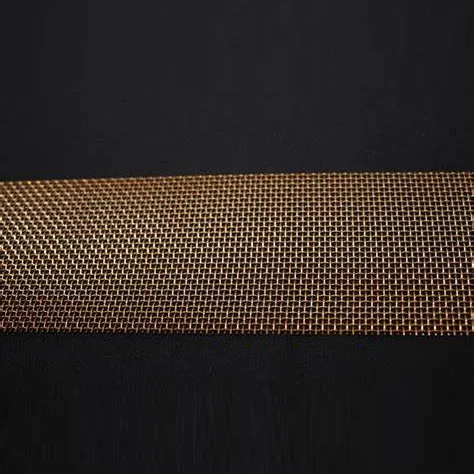
Figure 2: Customized stainless welded wire mesh panels ready for specialized industrial applications.
Frequently Asked Questions (FAQ)
-
Q1: What is the difference between stainless welded wire mesh and stainless woven mesh?
A1: Stainless welded wire mesh has wires precisely welded at each intersection, creating a rigid, stable structure with fixed apertures. Stainless woven mesh (like a stainless screen mesh) has wires interlaced, offering more flexibility but with potential for aperture distortion under stress. Welded mesh is stronger and more suitable for structural or security applications, while woven mesh is often used for fine filtration where flexibility is desired.
-
Q2: Which stainless steel grade is best for marine environments?
A2: For marine environments, SS316 or SS316L stainless welded wire mesh is highly recommended. These grades contain molybdenum, which provides superior resistance to chloride corrosion, making them ideal for saltwater exposure and preventing pitting corrosion.
-
Q3: Can stainless welded wire mesh be customized to specific dimensions?
A3: Absolutely. We offer extensive customization options, including specific wire diameters, precise aperture sizes (e.g., 1/4 stainless steel mesh), custom panel dimensions, and unique shapes. Our engineering team can work with your specifications to produce a tailored solution.
-
Q4: What is the typical service life of stainless welded wire mesh?
A4: The service life varies significantly depending on the application, environmental conditions, and maintenance. However, due to its inherent corrosion resistance and robust construction, stainless welded wire mesh typically offers a very long service life, often several decades, particularly when the correct grade and post-treatment are applied for the specific environment.
-
Q5: Is your stainless welded wire mesh compliant with food-grade standards?
A5: Yes, for food and beverage applications, we primarily supply SS304 and SS316L stainless welded wire mesh that can be electropolished to meet stringent hygiene requirements and comply with FDA regulations for food contact materials. We ensure our manufacturing processes adhere to high cleanliness standards.
Logistics and Support
As a trusted partner in B2B supply, we understand the importance of timely delivery, reliable products, and comprehensive support.
Lead Time & Fulfillment:
Our standard lead time for common stainless welded wire mesh products typically ranges from 2-4 weeks, depending on order volume and specific customization requirements. For urgent projects or large-scale orders, we offer expedited production and logistics solutions. We maintain a robust inventory of raw materials and standard mesh configurations to facilitate rapid fulfillment. All orders are meticulously packaged to prevent damage during transit, utilizing secure crating and moisture-resistant wrapping. We partner with reliable global freight carriers to ensure efficient and trackable delivery to your facility.
Warranty Commitments:
We stand behind the quality of our stainless welded wire mesh products. All our products come with a standard 2-year warranty against manufacturing defects in material and workmanship. This warranty covers issues arising from normal use under specified conditions. Specific product warranties may vary based on custom specifications and application, which will be clearly outlined in your purchase agreement. Our commitment to ISO 9001 certified manufacturing processes underpins this assurance of quality and reliability.
Customer Support:
Our dedicated customer support team is available to assist you from initial inquiry through post-purchase support. We provide technical consultations, help with product selection, offer detailed quotations, and address any concerns or questions you may have. Our engineers are available for in-depth discussions regarding complex application challenges and custom design requirements. We pride ourselves on responsive communication and building long-term partnerships with our clients. For support, please contact us via email at sales@anshengfilterscreen.com or call our direct line during business hours.
Conclusion
Stainless welded wire mesh represents a pinnacle of material science and precision engineering, offering a robust, reliable, and versatile solution for countless industrial and commercial applications. Its exceptional corrosion resistance, structural integrity, and hygienic properties make it an indispensable material for decision-makers and engineers seeking long-term performance and cost-efficiency. By understanding the detailed manufacturing process, technical specifications, and diverse application scenarios, businesses can leverage the full potential of these advanced mesh products to optimize their operations and enhance their infrastructure. Partnering with an experienced and certified manufacturer ensures access to high-quality, customized solutions backed by expert technical support and reliable logistics.
References
- American Society for Testing and Materials (ASTM) International. ASTM A580/A580M, Standard Specification for Stainless Steel Wire.
- American Welding Society (AWS). ANSI/AWS D1.6/D1.6M, Structural Welding Code—Stainless Steel.
- International Organization for Standardization (ISO). ISO 9001: Quality Management Systems.
- Federal Register. Code of Federal Regulations, Title 21, Food and Drugs. (Relevant sections for food contact materials).
- Stainless Steel Industry Report, Market Research Future, 2023.
Post time: Sep . 10, 2025 12:20