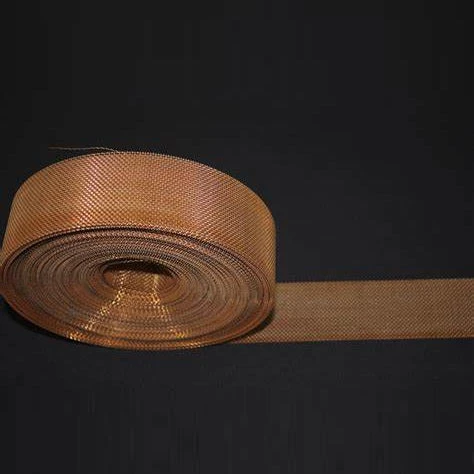

The Strategic Role of Red Copper Wire Mesh in Modern Industrial Applications
In the rapidly advancing landscape of industrial filtration, shielding, and heat management, the demand for specialized materials offering superior performance, durability, and specific functional attributes is intensifying. red copper wire mesh emerges as a pivotal solution, highly valued for its exceptional electrical and thermal conductivity, inherent resistance to various forms of corrosion, and natural antimicrobial properties. As industries globally emphasize efficiency, sustainability, and technological integration, the unique characteristics of copper, precisely woven into diverse mesh configurations, address stringent requirements across a broad spectrum of sectors.
Current industry trends indicate a robust growth in specialized metal mesh products, driven by the proliferation of advanced electronics, sophisticated HVAC systems, and architectural projects that prioritize both function and aesthetics. The increasing criticality of electromagnetic compatibility (EMC) and radio frequency interference (RFI) shielding in complex electronic environments, coupled with the need for efficient heat dissipation and robust filtration in corrosive settings, underscores copper mesh's rising importance. While materials such as stainless steel metal mesh and stainless steel gopher wire mesh provide dependable solutions for general-purpose applications and physical barriers, copper wire mesh offers distinct, specialized advantages in environments demanding high conductivity, superior ductility, and resistance to biological growth. This strategic material choice is becoming paramount for decision-makers and engineers seeking optimal, long-term performance.
Manufacturing Precision: The Process Flow of Copper Wire Mesh
The production of high-quality copper wire mesh involves a meticulously engineered and controlled process, designed to ensure consistent product integrity, specified performance characteristics, and extended service life. Our manufacturing methodology adheres to international standards, including ISO 9001 for quality management systems and relevant ASTM specifications for material composition, mechanical properties, and mesh geometry. The entire process, from the stringent selection of raw materials to the final inspection and packaging, is optimized for precision and reliability, critical for target industries such as petrochemical, metallurgy, and water supply & drainage.
1. Material Sourcing and Wire Drawing
- High-Purity Copper Ingot: The foundation of our premium copper mesh begins with sourcing electrolytic tough pitch (ETP) copper ingots, typically C11000 grade. This grade is specified for its minimum 99.9% copper content and exceptional electrical and thermal conductivity. Each incoming batch undergoes rigorous spectrographic analysis to confirm material purity and verify the absence of any detrimental impurities that could compromise performance.
- Rod Casting and Drawing: Ingots are melted and then cast into continuous rods. These rods are subsequently subjected to a multi-stage cold drawing process. The wire is pulled through a series of progressively smaller dies at room temperature, which reduces its diameter, enhances tensile strength, and refines the surface finish. To prevent excessive work hardening and maintain the necessary ductility for subsequent weaving, intermediate annealing steps are strategically incorporated, allowing the copper to recrystallize and regain its malleability. This ensures the wire can withstand the stresses of weaving and subsequent fabrication without fracturing.
2. Precision Weaving
- Warping: The precisely drawn copper wire, now at its final specified diameter, is meticulously wound onto large warp beams. These beams hold the longitudinal wires that form the foundation of the mesh structure. Critical control over wire tension at this stage is maintained to ensure uniform wire spacing and prevent inconsistencies in the final mesh aperture.
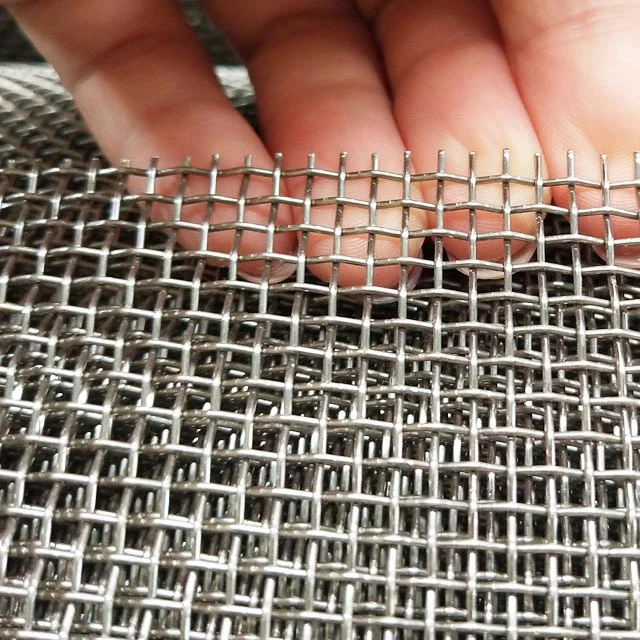
- Weaving Process: The warp wires are then fed into advanced, high-speed weaving looms. Transverse weft wires are interwoven with the warp wires according to the desired weave pattern. Our state-of-the-art looms are equipped with automated tension and position control systems, which continuously monitor and adjust the weaving parameters. This ensures the precise maintenance of mesh count (wires per inch) and aperture size, directly impacting the mesh's filtration efficiency and mechanical stability.
- Common Weave Patterns:
- Plain Weave: Each weft wire passes alternately over one warp wire and under the next. This simple, strong weave provides stable mesh openings and is widely used for general filtration and sifting applications.
- Twill Weave: Each weft wire passes over two warp wires and under two, shifting one thread after each pass. This pattern allows for thicker wires and denser mesh counts, offering enhanced strength, finer filtration, and greater opacity.
3. Finishing and Quality Control
- Cleaning and Degreasing: After weaving, the mesh undergoes a thorough cleaning and degreasing process. This removes any residues from lubricants, oils, or contaminants accumulated during production, ensuring a clean, unblemished surface that is critical for electrical conductivity and aesthetic applications.
- Post-Weave Annealing (Optional): For specific applications requiring maximum ductility, flexibility, or a softer temper, an additional annealing step can be performed. This controlled heat treatment further softens the copper, enhancing its formability without compromising its overall structural integrity.
- Slitting and Cutting: The finished rolls of mesh are precisely slit and cut to the customer's specified dimensions using automated cutting machinery. This ensures high dimensional accuracy, minimizes material waste, and prepares the mesh for immediate integration into client manufacturing processes.
- Comprehensive Quality Assurance & Testing: Each batch undergoes a rigorous multi-point quality control protocol.
- Dimensional Accuracy: Mesh count (wires per inch), wire diameter, and aperture size are verified using advanced optical comparators and precision calipers, in accordance with standards like ASTM E2016-11.
- Material Composition: Confirmed via X-ray fluorescence (XRF) spectroscopy to ensure precise adherence to C11000 grade specifications or other specified copper alloys.
- Tensile Strength: Tested according to ASTM E8/E8M to guarantee the wire meets specified mechanical strength requirements for handling and application.
- Surface Finish & Visual Inspection: Thorough visual examination for defects, uniform weave, and surface cleanliness is performed by trained technicians.
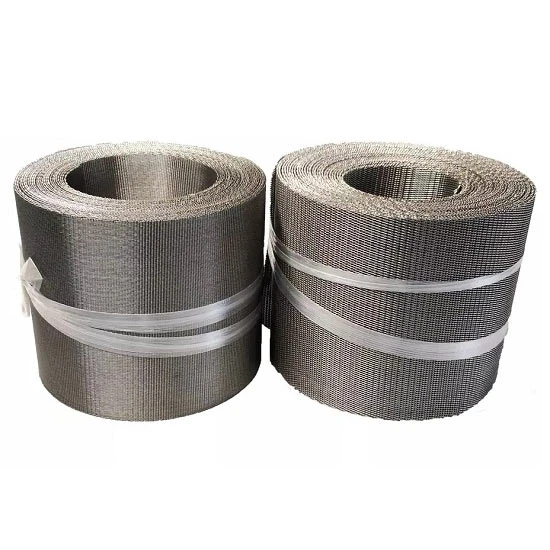
- Protective Packaging: Finished products are carefully rolled onto cores or packaged flat, often with protective interleaving and robust outer wrapping, to prevent damage from moisture, abrasion, or deformation during transit and storage. Custom packaging solutions are available to meet specific client logistics and handling requirements.
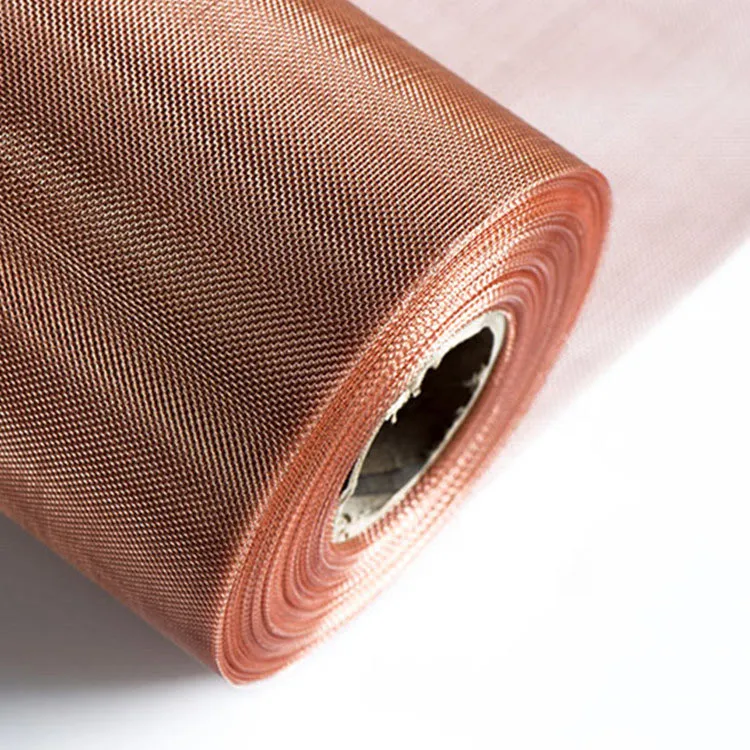
Fig 1: Precision weaving of copper wire mesh, ensuring uniform aperture and high quality for demanding applications.
This intricate and rigorously controlled process ensures that every product batch of copper wire mesh delivered meets the highest standards of quality, performance, and durability. For instance, in petrochemical applications, the precise weave and material integrity are critical for fine filtration and catalytic support, preventing system contamination, enhancing energy saving, and extending equipment longevity by resisting corrosion and wear.
Detailed Technical Specifications for Copper Wire Mesh
Understanding the precise technical parameters of red copper wire mesh is crucial for engineers and procurement specialists to select the optimal product for their specific applications. Our offerings are meticulously designed to meet diverse industrial demands, from ultra-fine filtration to robust EMI/RFI shielding solutions. The following table outlines typical specifications, though custom configurations are readily available to meet highly specialized requirements.
Typical Product Specifications
| Parameter | Specification Range | Unit/Standard |
|---|---|---|
| Material Grade | C11000 (Electrolytic Tough Pitch Copper) | ASTM B152 / CDA 110 |
| Copper Content | ≥ 99.9% | % |
| Mesh Count | 2 to 200 Mesh | WPI (Wires Per Inch) |
| Wire Diameter | 0.05mm to 1.5mm (0.002" to 0.060") | mm / Inch |
| Aperture Size | 0.076mm to 12.7mm (0.003" to 0.5") | mm / Inch |
| Open Area | 20% to 70% (depending on mesh count & wire diameter) | % |
| Weave Pattern | Plain Weave, Twill Weave (custom options available) | - |
| Tensile Strength | 200-250 MPa (Annealed) / 250-400 MPa (Hard Drawn) | ASTM E8/E8M |
| Electrical Conductivity | ~100% IACS (International Annealed Copper Standard) | % |
| Thermal Conductivity | ~390 W/(m·K) | at 20°C |
| Melting Point | 1085 °C (1984 °F) | °C / °F |
| Density | 8.96 g/cm³ | g/cm³ |
| Standard Widths | Typically 0.5m, 1.0m, 1.2m, 1.5m (custom available) | m / Inch |
| Standard Lengths | 15m (50ft), 30m (100ft), or custom rolls | m / Feet |
These comprehensive specifications underscore the versatility and high performance inherent in our copper wire mesh. The precise control over parameters such as mesh count, wire diameter, and open area allows for highly tailored solutions that meet stringent industry requirements, from micro-filtration in scientific instruments to robust protective barriers in outdoor architectural applications. Our strict adherence to international material and manufacturing standards ensures consistent quality, predictable performance, and long-term reliability in even the most critical operational environments.
Key Technical Advantages of Copper Wire Mesh
The selection of materials in B2B applications is critically driven by specific performance advantages that translate into operational efficiency, extended service life, and enhanced safety. Red copper wire mesh offers a compelling suite of benefits that distinctly position it ahead of alternative materials, particularly in demanding industrial environments where longevity, efficiency, and safety are paramount.
Superior Electrical and Thermal Conductivity
Copper is globally recognized for possessing the second-highest electrical conductivity among all metals, surpassed only by silver. This intrinsic property makes copper mesh an indispensable material for applications demanding effective EMI/RFI shielding, efficient grounding, and optimal electrical signal integrity. Its equally impressive thermal conductivity positions it as an ideal material for rapid heat dissipation and highly efficient heat exchange components. This dual conductivity property is critical in:
- Electronics: Protecting sensitive electronic components and circuits from electromagnetic interference, thereby preventing signal degradation and ensuring reliable data transmission and operational stability.
- HVAC Systems: Facilitating efficient heat transfer in filters, coils, and heat exchangers, directly contributing to energy saving by reducing the energy required for heating and cooling operations.
- Power Generation & Transmission: Ensuring effective electrical flow and preventing signal degradation in power grids and sensitive instrumentation.
Exceptional Corrosion Resistance
Copper exhibits excellent resistance to atmospheric corrosion, including exposure to moist air and industrial pollutants. Furthermore, it demonstrates remarkable resilience in saltwater environments and against various organic chemicals. This makes copper wire mesh a highly durable and reliable choice for outdoor installations, marine applications, and chemical processing facilities where materials like steel mosquito net would quickly corrode and degrade. While stainless steel metal mesh offers broad-spectrum corrosion resistance, copper provides specific advantages against biofouling and certain mild acidic conditions, offering a distinct edge in specialized water treatment and chemical environments.
Malleability and Ductility for Custom Fabrication
Copper is inherently highly malleable and ductile, attributes that allow it to be easily formed, cut, bent, and shaped into intricate configurations without compromising its structural integrity or mechanical properties. This exceptional flexibility is a significant advantage for custom solutions, enabling the creation of complex designs and facilitating precise installations in challenging architectural, decorative, and industrial contexts. Unlike more rigid materials such as stainless steel welded wire, copper mesh can readily conform to intricate contours and diverse geometries, making it ideal for bespoke applications where formability is crucial.
Antimicrobial Properties (Biofouling Resistance)
Copper naturally possesses potent antimicrobial properties, actively inhibiting the growth of a wide range of bacteria, fungi, viruses, and algae on its surface. This biocidal characteristic makes copper mesh an outstanding choice for applications in water filtration systems, ventilation and air purification units, and medical environments where stringent hygiene and the prevention of biofouling are critically important. This inherent feature significantly extends the service life of filters and screens, reduces the frequency and cost of maintenance, and ensures cleaner, healthier operational environments, providing a clear functional advantage over inert materials lacking these biocidal capabilities.
Aesthetic Appeal and Patina Development
Beyond its remarkable functional benefits, the distinctive reddish-brown hue of new copper, which gradually develops a unique and aesthetically pleasing green or bronze patina over time, is highly prized in architectural and decorative applications. This inherent aesthetic quality offers designers and architects a versatile material that seamlessly combines robust performance with timeless visual appeal, enhancing the perceived value and design integrity of projects. The evolving patina provides a dynamic visual element that integrates beautifully into various design philosophies, from classic to contemporary.
Versatile Application Scenarios for Copper Wire Mesh
The unique and powerful combination of electrical, thermal, and mechanical properties inherent in red copper wire mesh makes it an indispensable material across a broad spectrum of industrial, commercial, and even artistic applications. Its adaptability allows it to perform critical functions reliably and efficiently in environments ranging from high-tech electronics to harsh outdoor conditions.
Electronics and EMI/RFI Shielding
In the rapidly expanding electronics and telecommunications sectors, copper mesh is extensively utilized for effective electromagnetic interference (EMI) and radio frequency interference (RFI) shielding. Its exceptionally high electrical conductivity enables it to efficiently attenuate electromagnetic waves, thereby safeguarding sensitive electronic components, circuits, and data transmission lines from external noise and preventing internal electromagnetic emissions. This capability is absolutely crucial for maintaining operational integrity and regulatory compliance in environments such as data centers, medical diagnostic equipment, advanced communication systems, and critical automotive electronics, ensuring reliable performance in increasingly complex electronic landscapes.
Filtration and Separation in Industrial Processes
Leveraging its fine weave capabilities, uniform aperture, and inherent corrosion resistance, copper mesh serves as a highly effective and durable filter medium for a variety of substances. In the petrochemical and chemical processing industries, it is widely utilized for critical applications such as filtering impurities from corrosive liquids and gases, acting as robust catalyst support grids, and in precise separation processes. In municipal water supply and industrial drainage systems, copper mesh functions as an efficient pre-filter, significantly benefiting from its antimicrobial properties to reduce biofouling, thereby extending filter life, minimizing maintenance requirements, and ensuring cleaner water flow – a distinct advantage over standard polymer or less active metal meshes.
Architecture and Decorative Applications
The distinctive aesthetic appeal of copper, particularly its ability to develop a unique and attractive patina over time, makes it a highly favored material in contemporary architectural design and decorative arts. It is skillfully employed for elegant decorative panels, dynamic building facades, effective sun screens, and sophisticated interior design elements. The mesh's inherent flexibility also allows it to be integrated into complex and curvilinear designs for both functional and visual enhancement, offering a refined and durable alternative to purely utilitarian mesh types, adding significant value and character to modern structures.
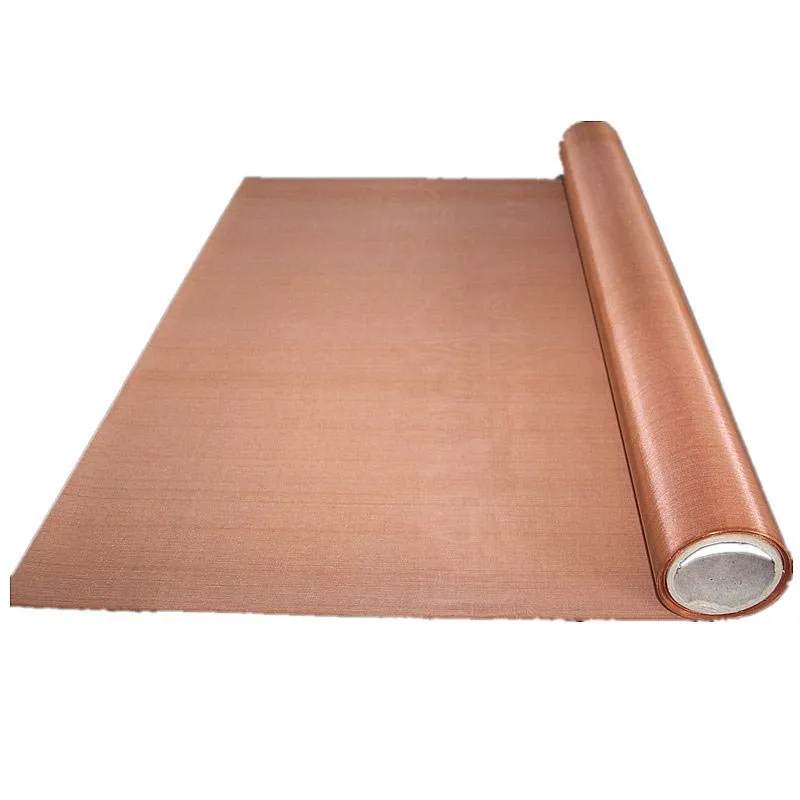
Fig 2: Copper wire mesh applied in an architectural façade for its aesthetic appeal and functional benefits.
Pest Control and Exclusion
While materials like stainless steel gopher wire mesh are commonly specified for robust rodent barriers, the superior malleability of copper mesh, combined with its resistance to gnawing and adverse outdoor elements, makes it an excellent choice for sealing small, irregular openings to prevent pest entry in diverse building types – residential, commercial, and agricultural. Its non-toxic nature ensures it is safe for use in sensitive environments such as food processing facilities and medical settings. For instance, fine copper mesh is highly effective in sealing weep holes, cracks, and crevices against insects, rodents, and other small animals, providing a long-lasting and environmentally responsible exclusion barrier.
HVAC and Heat Exchange Systems
In modern heating, ventilation, and air conditioning (HVAC) systems, copper mesh can be strategically integrated into air filters and heat exchanger components. Its exceptionally high thermal conductivity significantly enhances heat transfer efficiency, directly contributing to substantial energy saving and improved system performance. Furthermore, its natural antimicrobial properties play a crucial role in maintaining superior indoor air quality by actively inhibiting microbial growth within these systems, offering a cleaner, healthier, and more efficient operational environment for building occupants and industrial processes.
Tailored Solutions: Customization of Copper Wire Mesh
Recognizing that off-the-shelf, standard products often fall short of fully addressing the nuanced and highly specialized requirements of complex industrial applications, we excel in providing highly customized copper wire mesh solutions. Our dedicated engineering and design team works in close collaboration with clients from concept to completion, developing bespoke products that integrate seamlessly into their unique systems, thereby optimizing both performance and cost-efficiency. Our extensive manufacturing capabilities allow for precise manipulation of key parameters to match exact client specifications.
Parameters for Customization
- Mesh Count & Wire Diameter: We offer precision adjustments to both the mesh count (from very coarse, 2 mesh, to ultra-fine, 200 mesh) and the specific wire diameter. This granular control allows for exact tailoring of the open area, filtration efficiency, flow rate characteristics, and overall mechanical strength, which is critical for specific particle retention, fluid dynamics, or structural integrity requirements.
- Weave Pattern: While plain and twill weaves are our standard offerings, specialized weave patterns, such as Dutch weave for enhanced filtration or crimped weave for increased stability, can be engineered and executed for unique strength, flexibility, or filtration characteristics specific to a challenging application.
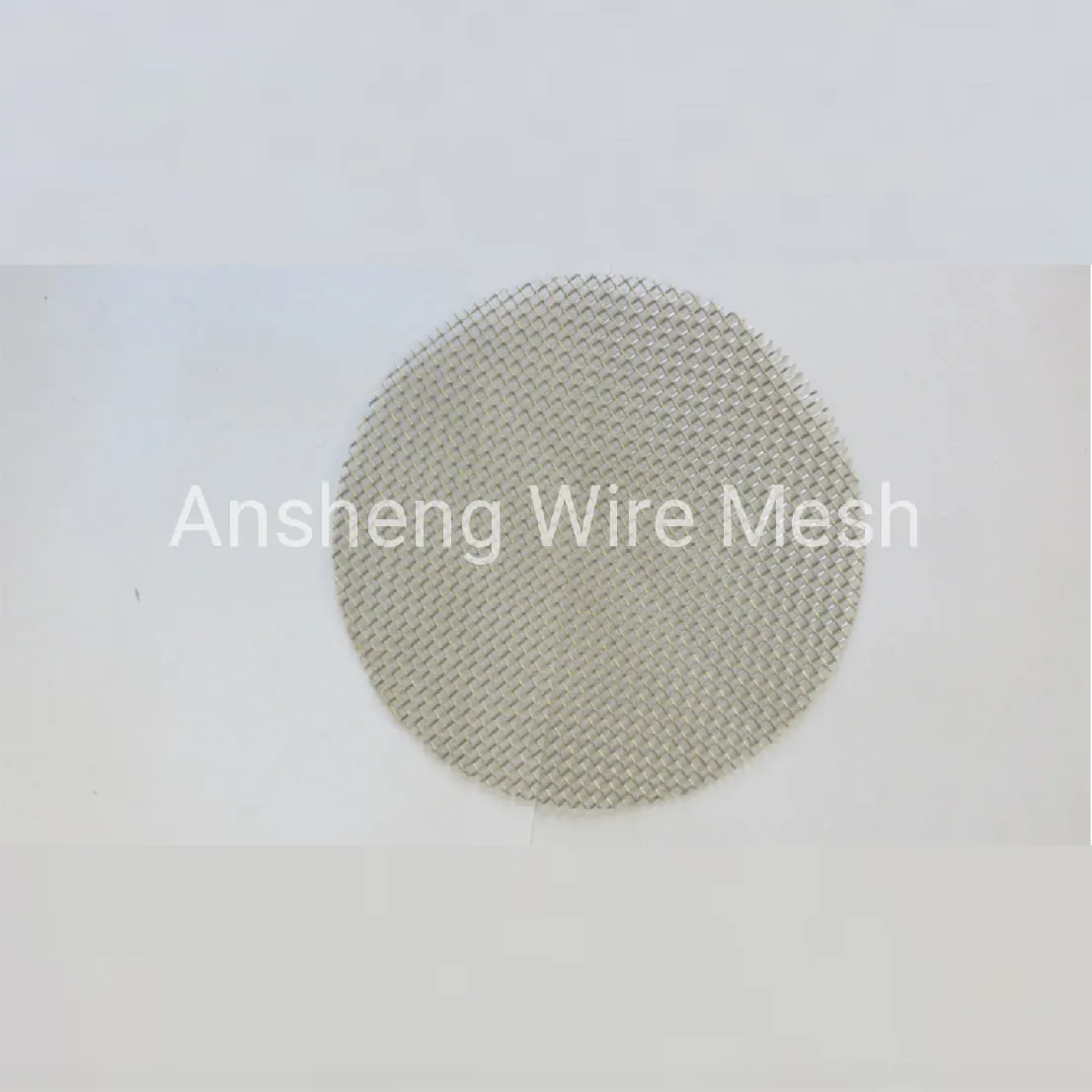
- Custom Dimensions: We provide copper mesh in custom widths and lengths, whether supplied in continuous rolls or precisely pre-cut sheets, discs, or panels. This capability minimizes material waste for the client and streamlines their manufacturing and assembly processes, reducing labor and material costs.
- Edge Treatments and Fabrication: Options for reinforced edges, specialized selvage treatments, or precisely welded borders are available to enhance durability, prevent fraying, and facilitate easier and more secure installation within existing frameworks. We also offer advanced secondary fabrication services including precise cutting, slitting, stamping, bending, and specialized welding to produce custom components such as discs, cylinders, cones, or other complex three-dimensional shapes, delivered ready for direct integration.
- Surface Treatments and Alloys: While copper's natural properties are often sufficient, specialized surface treatments, such as chemical passivation or the application of specific coatings, can be applied to further enhance resistance to particular chemicals or environmental factors, or to alter surface aesthetics. We can also explore using specific copper alloys beyond C11000 for applications requiring slightly different mechanical or electrical properties.
Our unwavering commitment to providing tailored solutions ensures that clients receive a copper mesh product that not only meets but frequently exceeds their most stringent functional and operational expectations. This collaborative approach fosters strong, long-term partnerships built on a foundation of superior performance, unwavering reliability, and mutual trust, solidifying our position as a preferred supplier for specialized wire mesh solutions.
Comparative Analysis: Copper Wire Mesh vs. Other Mesh Materials
Selecting the most appropriate wire mesh material is a pivotal decision in industrial applications, directly impacting crucial factors such as performance, longevity, total cost of ownership, and overall project success. While the market offers a wide array of metal and polymer meshes, a thorough understanding of the distinct advantages of red copper wire mesh in comparison to common alternatives like various stainless steel grades and galvanized steel is essential for informed material specification.
Material Comparison Table
| Feature | Red Copper Wire Mesh (C11000) | Stainless Steel Metal Mesh (e.g., 304/316) | Galvanized Steel Wire Mesh (e.g., Steel Mosquito Net) |
|---|---|---|---|
| Primary Advantages | Exceptional electrical & thermal conductivity, inherent antimicrobial properties, robust corrosion resistance (atmospheric, saltwater), high ductility, distinctive aesthetic. | High tensile strength, broad-spectrum corrosion resistance (acids, alkalis), good high-temperature tolerance, hygienic surface. | Highly cost-effective, good general corrosion resistance (due to zinc coating), decent mechanical strength for general uses. |
| Key Applications | EMI/RFI shielding, advanced heat exchangers, architectural facades, marine environments, pest exclusion, specialized fine filtration. | General industrial filtration, security screens, industrial sieves, food processing equipment, structural reinforcement, general architectural panels (where EMI is not a primary concern). | General fencing, basic insect screens (steel mosquito net), low-cost protective barriers, concrete reinforcement (stainless steel welded wire alternative), agricultural uses. |
| Corrosion Resistance | Excellent against atmospheric exposure, saltwater, and biofouling. Susceptible to strong oxidizing acids and ammonia-containing solutions. | Very good for a wide range of chemicals and environments, but specific grades (e.g., 316L) are needed for chloride-rich conditions. No inherent antimicrobial activity. | Good while the zinc coating remains intact; highly susceptible to rust and galvanic corrosion once the coating is scratched or compromised. Significantly inferior to copper and stainless steel in harsh or long-term outdoor conditions. |
| Electrical Conductivity | Very High (~100% IACS). Critically important for advanced EMI/RFI shielding and electrical grounding applications. | Low (~2-3% IACS for 304/316). Generally not suitable for high-conductivity electrical applications or effective EMI shielding. | Moderate, but inconsistent due to the non-uniform nature of the zinc coating. Not recommended for precision electrical or shielding uses. |
| Thermal Conductivity | Very High (~390 W/(m·K)). Excellent for efficient heat exchange, heat sinks, and thermal management systems. | Low (~15-20 W/(m·K) for 304/316). Poor for applications requiring efficient heat transfer. | Moderate (~50 W/(m·K)). Better than stainless steel, but significantly less efficient than copper for heat transfer. |
| Malleability/Formability | Exceptional. Extremely easy to cut, bend, form, and shape into complex or custom configurations without material degradation. | Good, but generally less flexible and formable than copper, especially in finer mesh constructions. May require annealing for severe bends. | Fair. Can be bent, but the zinc coating can crack or flake during severe forming, exposing the underlying steel to rust. Less ductile than copper. |
| Biofouling Resistance | Excellent due to copper's inherent broad-spectrum antimicrobial properties, inhibiting bacterial, fungal, and algal growth. | None inherent. Biofouling can and often does occur on stainless steel surfaces, requiring mechanical or chemical cleaning. | None inherent. Biofouling can occur. The zinc coating may also support certain microbial growths. |
| Cost | Higher initial cost, primarily due to the raw material price of high-purity copper and specialized processing. However, often provides lower long-term total cost of ownership in specialized applications due to durability and efficiency. | Moderate to high, depending on the specific grade and alloy. Generally lower than copper but higher than galvanized steel. | Lowest initial cost among the three materials, making it attractive for budget-sensitive, non-critical applications. |
This detailed comparative analysis unequivocally highlights that while materials such as stainless steel welded wire offer excellent structural integrity and steel mosquito net provides basic pest control at a low initial cost, neither can rival the combined electrical conductivity, thermal performance, natural antimicrobial benefits, and aesthetic value of copper wire mesh. For applications where these specific attributes are critical for performance, longevity, and operational efficiency, copper mesh consistently presents a superior, and often more cost-effective in the long term, engineering solution.
Real-World Impact: Application Case Studies of Copper Wire Mesh
Our red copper wire mesh has been successfully deployed in a diverse range of challenging industrial and commercial environments globally, consistently demonstrating its exceptional reliability, operational efficiency, and superior performance. These tangible case studies provide real-world insights into practical applications and the measurable benefits our clients have realized through the strategic implementation of our copper mesh solutions.
Case Study 1: Advanced EMI Shielding for a Critical Data Center
A prominent global IT infrastructure provider embarking on a new high-density data center expansion required an exceptionally robust EMI shielding solution to protect sensitive networking and server equipment from pervasive electromagnetic interference. Traditional shielding methods involving conductive paint or heavy metal panels proved either prohibitively costly or logistically challenging to install around the complex array of cabling, ductwork, and equipment racks. Our solution involved providing a custom-fabricated copper wire mesh with a precise 100-mesh plain weave, meticulously cut and formed to specific dimensions for integration into ceiling and wall panels. The mesh's outstanding electrical conductivity (approximately 99.9% IACS) and inherent flexibility facilitated easy and rapid installation, effectively creating a high-performance Faraday cage. Post-installation testing documented a consistent EMI attenuation exceeding 60 dB across a broad frequency spectrum (from 10 MHz to 1 GHz), significantly surpassing the client's stringent initial requirements. This deployment resulted in demonstrably enhanced data integrity, a measurable reduction in equipment malfunction rates, and a prolonged operational lifespan for their critical server infrastructure.
Case Study 2: Biofouling Mitigation in Marine Water Intake Systems
A large-scale coastal power generation plant experienced persistent and costly operational challenges due to severe biofouling in its seawater intake filtration systems. This biofouling, primarily from barnacles, algae, and mussels, led to significant reductions in water flow rates, necessitating frequent and expensive maintenance interventions, and resulting in unacceptable downtime. Their existing conventional stainless steel metal mesh filters required cleaning as often as every three months. We engineered and implemented custom filter elements utilizing a 40-mesh copper wire mesh. The inherent and potent antimicrobial properties of copper effectively inhibited the growth and adhesion of marine organisms. After a comprehensive 12-month operational period, the new copper mesh filters exhibited only minimal biofouling, a dramatic improvement compared to the previous stainless steel filters. This innovative solution led to an impressive 75% reduction in filter cleaning cycles and a 50% decrease in overall maintenance costs, while consistently maintaining optimal water flow for their critical cooling systems, ensuring uninterrupted power generation.
Case Study 3: Architectural Integration for Sustainable Building Design
For a highly visible and prestigious green building development, the architectural team sought a sustainable, durable, and aesthetically distinctive material for exterior sun shading and natural ventilation panels. Our 8-mesh copper wire mesh was selected for its unique combination of functional and visual attributes. The mesh was custom-fabricated into large, modular panels and meticulously installed on the building's expansive south-facing façade. Over time, the copper naturally developed a rich, characteristic patina, which not only beautifully complemented the building's overall design aesthetic but also provided effective solar heat gain reduction and facilitated natural airflow, contributing significantly to the building's energy efficiency strategy. This application vividly demonstrated copper mesh's versatility, showcasing its ability to provide robust industrial performance while simultaneously delivering timeless architectural appeal, enhancing both the functionality and the iconic visual identity of the structure.
Commitment to Quality: Certifications and Authoritative Standards
Our unwavering dedication to engineering excellence, product integrity, and client satisfaction is comprehensively underpinned by our strict adherence to stringent international standards and authoritative certifications. We are steadfast in our commitment to ensuring that every single batch of copper wire mesh produced at our facilities meets or rigorously exceeds the industry's highest benchmarks for quality, performance, and durability, thereby providing our esteemed clients with unparalleled peace of mind and independently verified operational performance.
Industry Certifications and Compliance Standards
- ISO 9001:2015 Certified Quality Management: Our state-of-the-art manufacturing facilities and meticulously structured quality management systems are fully certified to ISO 9001, the globally recognized standard for quality assurance. This certification rigorously ensures consistent product quality, operational efficiency, and a robust commitment to continuous improvement across all phases of our operational processes, from raw material intake to final product delivery.
- ASTM International Standards Compliance: All raw copper materials utilized in our production, as well as our finished copper mesh products, consistently conform to all relevant ASTM International standards. This includes, but is not limited to, ASTM B152 for copper plate, sheet, strip, and rolled bar, and ASTM E2016-11, which specifies the requirements for industrial woven wire cloth. This adherence guarantees material consistency and predictable mechanical performance.
- RoHS Compliance: Our copper wire mesh products are fully compliant with the Restriction of Hazardous Substances (RoHS) directive. This certification unequivocally confirms the absence of hazardous materials (such as lead, mercury, cadmium, hexavalent chromium, PBBs, and PBDEs) in our products, making them environmentally responsible and suitable for sensitive applications in electronics and medical devices.
- Full Material Traceability: We maintain a comprehensive and meticulous system for full traceability of all raw materials, commencing from certified and audited suppliers through every stage of our manufacturing process. This commitment to transparency ensures accountability, facilitates quality control, and provides clients with complete confidence in our supply chain integrity.
Partnerships and Expertise
With an impressive track record spanning over two decades of specialized expertise in advanced wire mesh manufacturing, we have cultivated a profound and deep understanding of material science, precision engineering, and diverse application requirements. Our long-standing and successful partnerships with global industrial leaders across the petrochemical, electronics, and construction sectors stand as a testament to our unwavering reliability, consistent product quality, and exceptional client service. We regularly collaborate with accredited independent testing laboratories to rigorously validate product performance, verify specific material properties, and ensure compliance with bespoke client specifications, further solidifying our authoritative standing and reputation as a trusted expert in the industry.
Our commitment extends significantly beyond mere product delivery; it encapsulates a dedicated resolve to providing comprehensive solutions that are robustly backed by rigorous testing, transparent documentation, continuous innovation, and an unwavering focus on client needs. This holistic approach ensures that our clients consistently receive copper mesh products they can implicitly trust for their most critical and demanding applications.
Ensuring Trust: FAQ, Fulfillment, and Support
Transparency, reliability, and comprehensive support are fundamental cornerstones of our client relationships. We are committed to providing clear, concise, and complete information regarding product queries, delivery timelines, and post-purchase assurances to foster enduring trust and cultivate long-term, mutually beneficial partnerships with our B2B clients.
Frequently Asked Questions (FAQ)
Q: How does copper mesh specifically compare to stainless steel mesh for EMI shielding effectiveness?
A: Copper mesh offers significantly higher electrical conductivity (up to 100% IACS) compared to stainless steel (typically 2-3% IACS), making it vastly superior for EMI/RFI shielding applications where maximum electromagnetic attenuation and signal integrity are paramount. Copper effectively forms a Faraday cage, while stainless steel's lower conductivity makes it considerably less effective for this specific purpose.
Q: Can copper mesh be successfully utilized in demanding outdoor or marine applications?
A: Absolutely. Copper mesh exhibits excellent inherent resistance to atmospheric corrosion, including high humidity and industrial pollutants, and demonstrates strong resilience in saltwater environments. While it will naturally develop a distinctive green/brown patina over time, this process is a protective oxidation layer that further enhances the underlying metal's durability and extends its service life, making it ideally suited for demanding outdoor architectural, environmental, and marine applications.
Q: What is the estimated typical service life of your copper wire mesh products?
A: The precise service life of copper wire mesh can vary based on the specific application, environmental conditions (e.g., pH, chemical exposure, abrasion), and maintenance regimen. However, owing to copper's inherent corrosion resistance, durability, and robust mechanical properties, our mesh products are engineered for exceptionally extended operational lifespans, frequently exceeding 15-20 years in typical atmospheric and non-aggressive chemical environments. Adherence to recommended installation practices and appropriate periodic maintenance can further significantly extend this operational lifespan.
Q: Is comprehensive customization available for mesh specifications, dimensions, and fabrication?
A: Yes, absolutely. We specialize in providing highly tailored custom solutions. Our clients can precisely specify a wide array of parameters including mesh count, wire diameter, weave pattern, overall dimensions (in rolls, sheets, or custom shapes), and even request additional fabrication services such as precision cutting, slitting, stamping, bending, and welding, all designed to meet their exact project requirements and facilitate seamless integration.
Lead Time and Fulfillment Details
Our standard lead time for readily available stock copper wire mesh products is typically 5-7 business days for efficient order processing and dispatch from our facility. For highly customized orders, lead times will naturally vary depending on the complexity of the design, the volume required, and the specific fabrication processes involved, usually ranging from 2-4 weeks following final design confirmation and approval. We operate with highly optimized production schedules and robust global supply chain logistics to ensure prompt and timely delivery worldwide. Expedited shipping options are readily available upon request to accommodate urgent project timelines.
Warranty Commitments
We stand unequivocally behind the superior quality and craftsmanship of our copper wire mesh products with a comprehensive and transparent warranty. This warranty covers manufacturing defects and any material non-conformance for a period of 12 months from the original date of purchase. Our warranty guarantees that all products meet their published specifications and are fit for their intended purpose when utilized under normal operating conditions and in accordance with recommended installation and maintenance guidelines. Full, detailed warranty terms and conditions are provided with each order, ensuring complete clarity and confidence for our clients.
Dedicated Customer Support
Our dedicated and highly knowledgeable customer support team is readily available and committed to providing exceptional assistance with all technical inquiries, real-time order status updates, and comprehensive after-sales support. Clients are encouraged to reach out to us via phone, email, or through the convenient contact form available on our corporate website. We are resolutely committed to delivering prompt, insightful, and efficient assistance to ensure complete customer satisfaction and to help clients achieve optimal product performance throughout the entire service life of our copper mesh solutions, reinforcing our commitment to long-term client success.
Conclusion
The enduring and increasing value of red copper wire mesh in a wide array of B2B applications stems from its unparalleled combination of exceptional electrical and thermal conductivity, robust natural corrosion resistance, potent antimicrobial properties, and inherent malleability. These superior attributes collectively position it as a premier and often indispensable material for critical functions in sectors ranging from advanced electronics and sophisticated architectural designs to demanding industrial filtration and effective pest control systems. By synergistically combining meticulous, high-precision manufacturing processes with a deep, specialized understanding of application-specific needs, we consistently deliver high-performance copper mesh solutions that not only meet but frequently exceed the stringent demands of modern industry. Our unwavering commitment to uncompromising quality, rigorously backed by comprehensive testing protocols, transparent documentation, and a dedicated customer support ecosystem, ensures that our copper wire mesh products consistently provide reliable, efficient, and exceptionally long-lasting performance, thereby offering a significant strategic advantage in an increasingly competitive global market.
References
- Copper Development Association. "Applications of Copper and Copper Alloys." copper.org.
- ASM International. "ASM Handbook, Volume 2: Properties and Selection: Nonferrous Alloys and Special-Purpose Materials." asminternational.org.
- ASTM International. "ASTM Standards for Woven Wire Cloth." astm.org.
- International Copper Association. "The role of copper in sustainable development." copperalliance.org.
- National Institute of Standards and Technology (NIST). "Electromagnetic Shielding Principles." nist.gov.
Post time: Sep . 19, 2025 10:55