
Industrial Applications with Titanium Expanded Metal Mesh

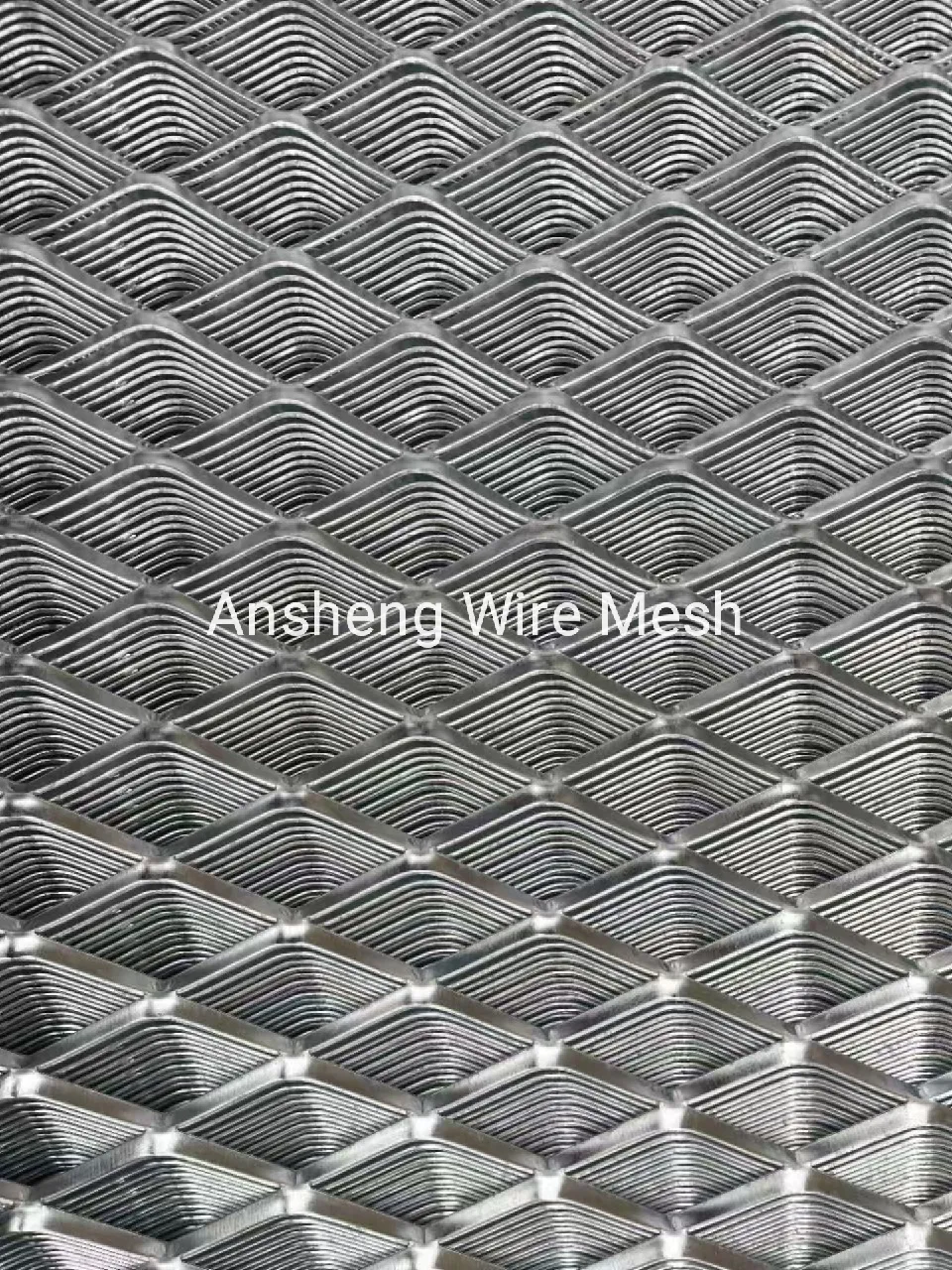
In the field of industrial design and construction, the choice of materials can make all the difference between lasting performance and premature failure. Among the most innovative and versatile solutions available today is titanium expanded metal mesh, a product that combines strength, corrosion resistance, and lightweight properties in one unique material. This mesh has become essential for industries ranging from aerospace to architectural design, where durability and precision are paramount. The advanced manufacturing techniques behind titanium expanded metal mesh create a product that delivers exceptional mechanical properties while remaining flexible enough for complex applications. Over time, its use has expanded across sectors demanding both aesthetic appeal and unmatched functional integrity.
 

Industrial Applications with Titanium Expanded Metal Mesh


Advantages of Weldlok Expanded Mesh for Heavy-Duty Applications


Among the variety of expanded metal meshes, weldlok expanded mesh stands out due to its robust construction and enhanced bonding capabilities. Unlike traditional expanded metal, this mesh incorporates welding technology that reinforces each junction, resulting in increased load-bearing strength and resistance to deformation under stress. When integrated into construction frameworks or machinery guards, weldlok expanded mesh provides not only structural support but also added safety, thanks to its high impact tolerance. The welded design minimizes the risk of mesh fatigue, making it an ideal choice for environments exposed to vibrations, heavy loads, or harsh weather conditions. Industries such as manufacturing plants and infrastructure projects increasingly rely on weldlok expanded mesh for long-term performance.


Enhancing Visual Appeal and Functionality with White Expanded Metal


While durability is critical, many applications also require an element of design, and this is where white expanded metal proves its worth. The clean, bright finish of this mesh variant makes it perfect for architectural facades, decorative panels, and interior design accents. More than just aesthetic, white expanded metal also benefits from coatings that improve weather resistance and reduce maintenance needs. The mesh’s precise patterning allows for optimal light diffusion and ventilation without compromising security or privacy. Whether used in commercial buildings or residential landscaping, white expanded metal delivers an elegant balance of form and function, transforming ordinary spaces into visually compelling environments.


Durability Factors of Wire Mesh Expanded Metal


Understanding the durability of wire mesh expanded materials is crucial for selecting the right product. The quality of wire and the expansion process directly affect tensile strength and resistance to environmental damage. High-grade steel wire used in wire mesh expanded configurations ensures that the mesh withstands heavy wear and tear over time. Additionally, treatments like galvanization or powder coating significantly enhance corrosion resistance, which is vital for outdoor applications or chemical exposure. Such durability allows wire mesh expanded to maintain structural integrity across industries such as agriculture, security, and transportation, where reliable fencing and filtration systems are essential.


Versatility and Adaptability of Wire Mesh Expanded Metal in Various Industries


The multifunctional nature of wire mesh expanded metal has made it a preferred choice across a wide range of industrial and commercial uses. Its open pattern design facilitates airflow and light passage, which is beneficial in HVAC systems, machine guards, and shelving units. Moreover, wire mesh expanded metal can be customized in thickness, strand width, and opening size to fit specific engineering requirements. This adaptability allows manufacturers and architects to tailor solutions that optimize performance without sacrificing cost efficiency. As a result, wire mesh expanded metal plays a pivotal role in sectors that demand both versatility and high performance, from electronics enclosures to urban infrastructure.


Choosing the Right Titanium Expanded Metal Mesh for Your Project Needs


Selecting the ideal titanium expanded metal mesh involves considering several factors, including mesh size, thickness, and surface finish. Due to titanium’s natural corrosion resistance, this mesh is especially suited for marine environments, chemical plants, and high-temperature applications. The lightweight nature of titanium also reduces structural loads, making it an excellent option for aerospace components and architectural cladding. When designing your system, understanding the mechanical stresses and environmental conditions helps ensure that the chosen titanium expanded metal mesh meets all operational demands while providing long service life. Collaborating with material specialists can further refine the selection process, maximizing performance and cost-effectiveness.


Innovations Driving the Production of Advanced Weldlok Expanded Mesh


Recent advancements in manufacturing have revolutionized the production of weldlok expanded mesh, enabling finer control over mesh patterns and welding precision. Computer-controlled laser welding techniques ensure consistent joint quality and minimal distortion during fabrication. These innovations reduce waste and improve material utilization, making weldlok expanded mesh a more sustainable choice for large-scale industrial projects. Enhanced welding processes also allow for combining different metal types or coatings to achieve specific mechanical or environmental resistances. Consequently, the modern weldlok expanded mesh not only performs better but also offers designers more freedom to create complex, high-strength structures that meet increasingly stringent industry standards.


Long-Term Maintenance and Care for White Expanded Metal


To preserve the look and longevity of white expanded metal, proper maintenance practices are essential. Regular cleaning removes dirt and pollutants that can degrade the surface coating, while inspections help identify early signs of wear or corrosion. Protective finishes applied during manufacturing, such as powder coating, provide excellent resistance to UV radiation and moisture but may require touch-ups in harsh conditions. Implementing a routine maintenance schedule ensures that white expanded metal panels continue to perform well as architectural elements or security barriers. Their upkeep supports both aesthetic appeal and functional durability, protecting your investment over many years.


Exploring Customization Options with Wire Mesh Expanded Metal


Customization is a key advantage of working with wire mesh expanded metal, enabling tailored solutions that meet unique project specifications. Whether you require specific strand thicknesses, opening sizes, or mesh geometries, manufacturers can adjust production processes accordingly. Such flexibility allows this mesh type to serve niche applications, including filtration media, acoustic panels, and specialized safety guards. Additionally, various finishing options such as galvanizing, painting, or powder coating add to the adaptability of wire mesh expanded metal, allowing it to integrate seamlessly into diverse environments. Customization ensures optimal performance while meeting aesthetic and regulatory requirements.


Applications and Benefits of Using Wire Mesh Expanded in Modern Infrastructure


The role of wire mesh expanded in modern infrastructure cannot be overstated. Its strength, combined with lightness and airflow capabilities, makes it ideal for reinforcing concrete, protecting equipment, and enhancing security measures. The mesh facilitates efficient ventilation in tunnels, bridges, and buildings, reducing the risk of corrosion and structural damage due to trapped moisture. Its widespread use in fencing, stair treads, and machine guarding highlights its essential contribution to safety and durability in industrial settings. The longevity and cost-effectiveness of wire mesh expanded materials provide a reliable backbone for sustainable infrastructure development worldwide.


Titanium Expanded Metal Mesh + FAQs


Q1: What makes titanium expanded metal mesh superior to other metals?


Titanium expanded metal mesh combines excellent corrosion resistance, high strength-to-weight ratio, and temperature tolerance, making it ideal for demanding applications where longevity and performance are critical.


Q2: Can weldlok expanded mesh be used outdoors?


Yes, weldlok expanded mesh is particularly suited for outdoor use due to its enhanced joint strength and resistance to environmental wear, especially when coated or treated for corrosion protection.


Q3: How is white expanded metal maintained?


White expanded metal requires periodic cleaning and inspections to maintain its finish and protective coatings. Routine upkeep helps prevent corrosion and preserves its aesthetic qualities.


Q4: Are wire mesh expanded metals customizable?


Absolutely. Wire mesh expanded metals can be tailored in size, thickness, and pattern to meet the specific needs of various industrial and commercial applications.


Q5: What industries benefit most from wire mesh expanded metal?


Industries such as construction, transportation, agriculture, and manufacturing rely on wire mesh expanded metal for its strength, versatility, and durability in fencing, filtration, reinforcement, and safety guarding.


Post time: Aug . 05, 2025 14:50
Related News
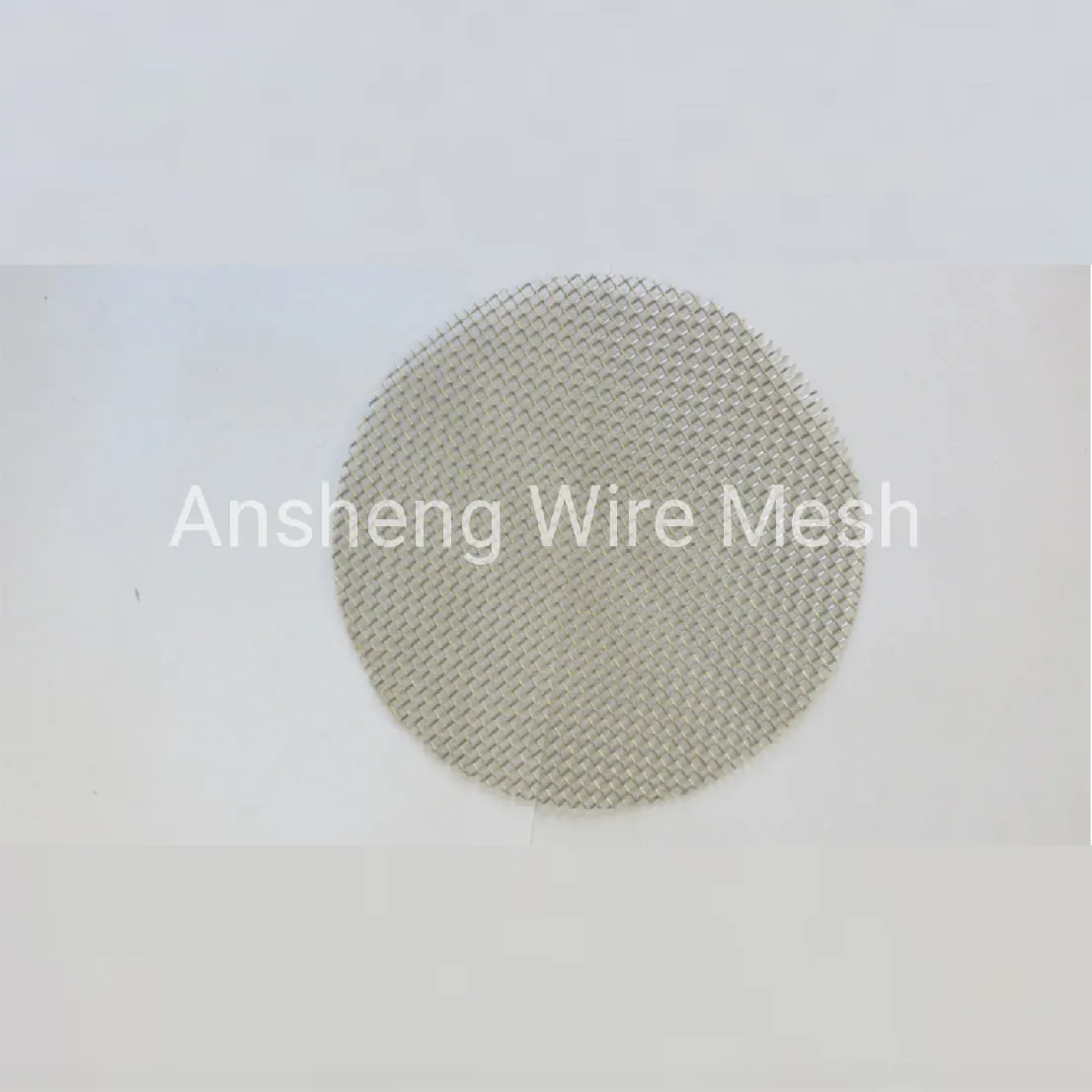
  • Discover precision engineering and durable solutions with Wire Mesh Discs from Anping County Ansheng. Combining cost-effective customization with advanced CNC machining, our discs ensure industrial excellence. Explore now: https://www.anshengfilterscreen.com/single-layer.html

  • Plain weave is one of the most basic and fundamental fabric weaves. Its simplicity doesn’t equate to limited use; on the contrary, it's incredibly versatile and found in countless applications. This article will explore the characteristics of plain weave, its advantages, and, most importantly, what is plain weave used for across various industries. Understanding this weave is crucial for anyone involved in textiles, filtration, or composite materials. It's a cornerstone of many modern manufacturing processes. The plain weave is characterized by its simple over-under pattern. Each weft yarn (horizontal) alternates crossing over and under each warp yarn (vertical). This creates a distinct checkerboard-like appearance. This seemingly simple structure gives the fabric excellent stability and a balanced texture. The density of the weave – the number of warp and weft yarns per inch – directly affects the fabric’s properties, such as its strength, permeability, and drape. It’s a remarkably efficient weave, making it cost-effective for large-scale production. The versatility of plain weave makes it a go-to choice in numerous industries. Here's a breakdown of some key applications: Apparel Fabrics: Cotton, linen, and polyester plain weaves are used extensively in clothing – think shirts, blouses, bedsheets, and linings. Filtration: Plain weave fabrics are a fundamental component of many filter screens, used for separating solids from liquids or gases.

  • Dutch wire mesh, renowned for its precision and versatility, is a crucial material across various industries, from filtration and screening to architectural applications. This article delves into the specifics of Dutch wire mesh, its properties, applications, and why Ansheng Filter Screen is a leading provider of high-quality Dutch wire mesh solutions. Whether you are in need of precise filtration, robust screening, or specialized weaving, understanding the nuances of this material is key to making informed decisions. Let's explore the world of Dutch wire mesh and uncover its many benefits. Dutch wire mesh isn’t a specific weave style but rather a term signifying a precise method of weaving wire, primarily focusing on achieving extremely consistent aperture sizes. It’s characterized by its tightly controlled weave and uniform openings, making it ideal for applications where precise filtration or screening is critical. Typically made from stainless steel (304, 316L, and others), the mesh is known for its durability, corrosion resistance, and ability to withstand high temperatures. The process involves weaving wires in both warp and weft directions, creating a stable and dimensionally accurate fabric.

  • Dutch weave is a versatile type of woven wire mesh known for its unique structure and diverse applications. It's characterized by alternating plain and twill weaves, resulting in a fabric with excellent strength, flexibility, and permeability. This makes it ideal for a range of uses in industries like filtration, screening, and reinforcement. Ansheng Filter Screen specializes in high-quality dutch weave mesh, catering to diverse industrial needs. Understanding the properties and applications of dutch weave is key to maximizing its benefits in various sectors. Dutch weave isn’t a single weave pattern but a combination. It’s created by alternately weaving plain and twill patterns. The twill weave creates a diagonal rib pattern which impacts the mesh’s properties. This unique construction results in a mesh that is more open in one direction than the other, providing excellent flow characteristics. This makes it superior for applications needing high permeability while maintaining good structural integrity.

  • Protecting crops, buildings, and infrastructure from bird damage is a significant concern for many industries. Galvanised bird mesh provides a robust and effective solution. This article will explore the benefits, applications, and key considerations when choosing galvanised bird mesh, offering a detailed overview for those seeking reliable bird control. From agricultural protection to industrial applications, we will cover everything you need to know about this versatile product. Galvanised bird mesh is a woven wire netting coated with a layer of zinc. This galvanisation process provides excellent corrosion resistance, making it suitable for outdoor applications and harsh environments. The mesh is typically made from steel wire, offering strength and durability. Different mesh sizes are available to cater to various bird species and protection needs.

  • When selecting materials for industrial filtration, construction, or agricultural applications, galvanized steel mesh screen stands out as a durable and cost-effective solution. This article will provide a detailed overview of galvanized steel mesh screen, covering its properties, applications, benefits, and important considerations when making a purchase. Understanding its characteristics can help you determine if it’s the ideal material for your specific needs. We will delve into the nuances of this versatile material and how Ansheng Filter Screen provides quality products. Galvanized steel mesh screen is a woven wire mesh manufactured from steel that has been coated with a layer of zinc. This zinc coating acts as a protective barrier against corrosion and rust, significantly extending the lifespan of the steel. The galvanization process can be hot-dip galvanizing or electro-galvanizing, each offering different levels of protection and cost. The mesh is typically available in various weave patterns, such as plain weave, twill weave, and dutch weave, each suited for different filtration and screening needs.

  • Galvanized netting is a versatile and cost-effective solution for a wide range of applications, from agricultural fencing to industrial safety barriers. Its durability and resistance to corrosion make it a popular choice across numerous industries. This article will delve into the properties of galvanized netting, exploring its benefits, common uses, different types available, and how to select the best netting for your specific needs. Understanding the nuances of galvanized netting will ensure you make an informed decision and maximize its lifespan and effectiveness. Galvanized netting is woven from steel wire that has been coated with a layer of zinc through a process called galvanization. This zinc coating acts as a barrier against corrosion, protecting the steel from rust and environmental damage. There are two primary galvanization methods: hot-dip galvanizing and electro-galvanizing. Hot-dip galvanizing involves immersing the steel wire in a bath of molten zinc, creating a thick and durable coating. Electro-galvanizing uses an electric current to deposit a thinner layer of zinc onto the wire.

  • Dutch weave mesh is a versatile and durable material used in a wide range of industrial and filtration applications. Known for its unique weaving pattern, it provides excellent strength and permeability. This article will explore the characteristics, applications, benefits, and considerations when choosing Dutch weave mesh, providing a thorough understanding for professionals and buyers. Understanding its properties is vital to selecting the right mesh for your needs. Dutch weave mesh is created by weaving two sets of wires – one heavier warp wire and one finer shute wire – in a specific pattern. This construction results in a mesh with larger openings in one direction and smaller openings in the other. The heavier warp wires provide strength and dimensional stability, while the finer shute wires create a greater open area for improved flow rates. This unique structure differentiates it from plain weave or twill weave meshes, making it ideal for applications requiring both filtration and structural integrity.

WE PROVIDE HIGH QUALITYEQUIPMENT
Recommend Products
  • Stainless Steel Plain Weave Wire Mesh

    Stainless steel plain weave wire mesh, also known as Stainless steel wire cloth, stainless steel screen, stainless steel gauze. Materials: Stainless steel 201, 304, 316, 316L, etc. Plain weave scope of Mesh : 1mesh-635mesh Plain weave scope of wire diameter: 1mm-0.001mm Plain weave scope of width: usually 0.915m-2meters, and special specifications can be customized according to customer requirements. Plain weave scope of length: generally 30 meters. Stainless steel wire mesh weave type: plain weave, twill weave, herringbone weave, dutch weave, reserve dutch weave

  • Stainless Steel Reverse Dutch Weave Wire Mesh

    Stainless steel reserve dutch weave wire mesh, also known as Stainless steel wire cloth, stainless steel screen, stainless steel gauze. Materials: Stainless steel 201, 304, 316, 316L, etc. Reserve dutch weave scope of Mesh : 72x15mesh-260x40mesh Reserve dutch weave scope of wire diameter: 0.55mm-0.15mm Reserve dutch weave scope of width: usually 60mm-300mm, and special specifications can be customized according to customer requirements. Reserve dutch weave scope of length: generally 10 meters, 20 meters, 30meters. Stainless steel wire mesh weave type: plain weave, twill weave, herringbone weave, dutch weave, reserve dutch weave

  • Iron Dutch Weave Wire Mesh

    Low-carbon steel dutch weave wire mesh, also known as iron wire filter mesh, black wire cloth. Materials: Low-carbon steel Scope of Mesh : 7x55mesh-40x200mesh Scope of wire diameter: 0.14mm-0.75mm Scope of width: usually 0.915m-1.3meters, and special specifications can be customized according to customer requirements. Scope of length: generally 30 meters. Weave: plain weave, herringbone weave, dutch weave

  • Phosphor Copper Wire Mesh

    Phosphor copper wire mesh, also known as copper wire mesh. Materials: QSn6.5-0.1,QSn6.5-0.4 Property: Non-magnetic, wear resistant, good ductility Scope of Mesh : 2-300mesh Scope of wire diameter: 0.08mm-0.8mm Scope of width: usually 1m-1.5meters, and special specifications can be customized according to customer requirements. Scope of length: generally 30 meters. Weave: plain weave, twill weave

tel email tel top

If you are interested in our products, you can choose to leave your information here, and we will be in touch with you shortly.