
Galvanized Metal Mesh Fencing for Industrial Strength & Durability

Galvanized Metal Mesh Fencing: The Industrial Standard That Keeps Evolving

Having spent more than a decade knee-deep in the industrial equipment sector, I’ve seen plenty of materials come and go, but galvanized metal mesh fencing has a kind of staying power that’s hard to ignore. It’s one of those products you almost take for granted, until you find yourself needing to separate work zones or secure heavy machinery in environments where both durability and flexibility really matter.

What’s fascinating about galvanized mesh fencing is just how much the industry has refined its production techniques over the years — from the type of steel wire used to the galvanizing process itself. Frankly, it’s no surprise that in tough industrial applications, this fencing remains a top choice. It blends cost-effectiveness with impressive resistance to rust and corrosion, especially when put through harsh weather or chemical exposure.

You know, many engineers I’ve worked with keep coming back to galvanized meshes because, besides structural strength, they offer a certain ease of installation that few alternatives match. Plus, if you decide to change your layout — say, expanding a warehouse or re-routing a timeline for equipment — it’s easy to adjust or add sections without too much fuss.

Maybe oddly enough, one of my favorite stories involved a client who needed a custom fencing solution around a large refinery plant. They required a mesh that could withstand high winds, chemical spray, and heavy mechanical impact. The galvanized metal mesh, combined with a bit of custom tweaking to the wire gauge and mesh size, did the trick beautifully. This kind of hands-on customization is part of why galvanized fencing never feels like “off-the-shelf” anymore.

Core Product Specifications

Specification Detail
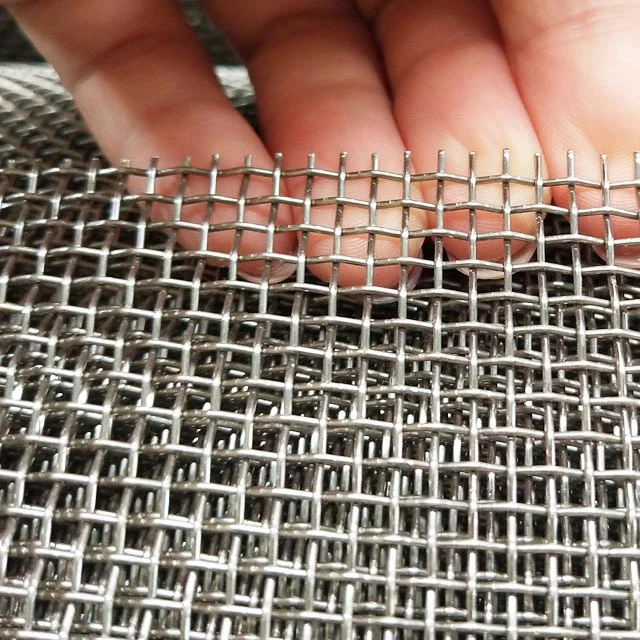
Material High tensile steel wire, hot-dip galvanized
Mesh Size Options from 1/2 inch to 2 inches (customizable)
Wire Diameter 16 to 12 gauge standard (custom on request)
Coating Thickness ≥ 40 microns hot-dip galvanization
Panel Size Standard 6ft x 8ft, various sizes available

Comparing Top Vendors of Galvanized Metal Mesh Fencing

Vendor Galvanization Quality Customization Options Lead Time Pricing
Ansheng Filter Screen High-grade hot-dip, consistent coating ≥ 40 microns Wide range of mesh sizes & wire gauges; tailor-made Typically 2-4 weeks depending on scope Competitive for industrial bulk orders
CompMesh Solutions Electro-galvanized, lighter coating Standard sizes only 1-2 weeks Moderate pricing but less durable finish
SteelNet Corp. Hot-dip galvanized, coating varies Customization possible but minimum qty applies 3-5 weeks Higher price, premium market focus

In real terms, what you get with galvanized metal mesh fencing is a hard-wearing, adaptable product that stays protective and visually acceptable even when exposed to the elements for years. It feels like one of those unsung heroes of industrial safety and organization, quietly keeping everything in place without much fuss. Plus, partnering with a vendor like Ansheng Filter Screen means you can count on a solid product backed by real expertise—something I’ve grown to appreciate over countless projects.

If you’ve got a project in mind, or you just want fencing that won’t betray your site after a season, galvanized mesh might be worth a second look. I’ve seen it hold up where some pricier options flopped, so frankly, it carries my vote for both reliability and value.

Reflecting on all this, it seems clear: solid industrial fencing isn’t just about metal—it’s about knowing the material, the processes, and the conditions in which it must perform. And experience makes all the difference.

  1. Industry reports on corrosion resistance standards, ASTM A123/A123M-20.
  2. Case study of chemical plant fencing from Industrial Safety Journal, 2019.
  3. Manufacturer specification sheets and user testimonials from Ansheng Filter Screen website.

Post time: Jan . 05, 2026 04:15
Related News
  • Dutch weave is a versatile type of woven wire mesh known for its unique structure and diverse applications. It's characterized by alternating plain and twill weaves, resulting in a fabric with excellent strength, flexibility, and permeability. This makes it ideal for a range of uses in industries like filtration, screening, and reinforcement. Ansheng Filter Screen specializes in high-quality dutch weave mesh, catering to diverse industrial needs. Understanding the properties and applications of dutch weave is key to maximizing its benefits in various sectors. Dutch weave isn’t a single weave pattern but a combination. It’s created by alternately weaving plain and twill patterns. The twill weave creates a diagonal rib pattern which impacts the mesh’s properties. This unique construction results in a mesh that is more open in one direction than the other, providing excellent flow characteristics. This makes it superior for applications needing high permeability while maintaining good structural integrity.

  • Protecting crops, buildings, and infrastructure from bird damage is a significant concern for many industries. Galvanised bird mesh provides a robust and effective solution. This article will explore the benefits, applications, and key considerations when choosing galvanised bird mesh, offering a detailed overview for those seeking reliable bird control. From agricultural protection to industrial applications, we will cover everything you need to know about this versatile product. Galvanised bird mesh is a woven wire netting coated with a layer of zinc. This galvanisation process provides excellent corrosion resistance, making it suitable for outdoor applications and harsh environments. The mesh is typically made from steel wire, offering strength and durability. Different mesh sizes are available to cater to various bird species and protection needs.

  • When selecting materials for industrial filtration, construction, or agricultural applications, galvanized steel mesh screen stands out as a durable and cost-effective solution. This article will provide a detailed overview of galvanized steel mesh screen, covering its properties, applications, benefits, and important considerations when making a purchase. Understanding its characteristics can help you determine if it’s the ideal material for your specific needs. We will delve into the nuances of this versatile material and how Ansheng Filter Screen provides quality products. Galvanized steel mesh screen is a woven wire mesh manufactured from steel that has been coated with a layer of zinc. This zinc coating acts as a protective barrier against corrosion and rust, significantly extending the lifespan of the steel. The galvanization process can be hot-dip galvanizing or electro-galvanizing, each offering different levels of protection and cost. The mesh is typically available in various weave patterns, such as plain weave, twill weave, and dutch weave, each suited for different filtration and screening needs.

  • Galvanized netting is a versatile and cost-effective solution for a wide range of applications, from agricultural fencing to industrial safety barriers. Its durability and resistance to corrosion make it a popular choice across numerous industries. This article will delve into the properties of galvanized netting, exploring its benefits, common uses, different types available, and how to select the best netting for your specific needs. Understanding the nuances of galvanized netting will ensure you make an informed decision and maximize its lifespan and effectiveness. Galvanized netting is woven from steel wire that has been coated with a layer of zinc through a process called galvanization. This zinc coating acts as a barrier against corrosion, protecting the steel from rust and environmental damage. There are two primary galvanization methods: hot-dip galvanizing and electro-galvanizing. Hot-dip galvanizing involves immersing the steel wire in a bath of molten zinc, creating a thick and durable coating. Electro-galvanizing uses an electric current to deposit a thinner layer of zinc onto the wire.

  • Dutch weave mesh is a versatile and durable material used in a wide range of industrial and filtration applications. Known for its unique weaving pattern, it provides excellent strength and permeability. This article will explore the characteristics, applications, benefits, and considerations when choosing Dutch weave mesh, providing a thorough understanding for professionals and buyers. Understanding its properties is vital to selecting the right mesh for your needs. Dutch weave mesh is created by weaving two sets of wires – one heavier warp wire and one finer shute wire – in a specific pattern. This construction results in a mesh with larger openings in one direction and smaller openings in the other. The heavier warp wires provide strength and dimensional stability, while the finer shute wires create a greater open area for improved flow rates. This unique structure differentiates it from plain weave or twill weave meshes, making it ideal for applications requiring both filtration and structural integrity.

  • Explore the benefits, applications, and vendors of Reverse Dutch Weave for industrial filtration systems. Learn how Ansheng Filter Screen delivers durable and high-performance filtration solutions.

  • Explore the benefits, applications, and vendor landscape of Reverse Dutch Weave Wire Mesh. Learn how Ansheng Filterscreen can help you optimize your filtration processes.

  • In today's industrial and commercial fields, super fine wire mesh has grown into a critical component thanks to its precision and efficiency. This mesh type, often used in air and liquid filtration, can trap incredibly small particles while allowing air or fluids to pass through.

WE PROVIDE HIGH QUALITYEQUIPMENT
Recommend Products
  • Stainless Steel Plain Weave Wire Mesh

    Stainless steel plain weave wire mesh, also known as Stainless steel wire cloth, stainless steel screen, stainless steel gauze. Materials: Stainless steel 201, 304, 316, 316L, etc. Plain weave scope of Mesh : 1mesh-635mesh Plain weave scope of wire diameter: 1mm-0.001mm Plain weave scope of width: usually 0.915m-2meters, and special specifications can be customized according to customer requirements. Plain weave scope of length: generally 30 meters. Stainless steel wire mesh weave type: plain weave, twill weave, herringbone weave, dutch weave, reserve dutch weave

  • Stainless Steel Reverse Dutch Weave Wire Mesh

    Stainless steel reserve dutch weave wire mesh, also known as Stainless steel wire cloth, stainless steel screen, stainless steel gauze. Materials: Stainless steel 201, 304, 316, 316L, etc. Reserve dutch weave scope of Mesh : 72x15mesh-260x40mesh Reserve dutch weave scope of wire diameter: 0.55mm-0.15mm Reserve dutch weave scope of width: usually 60mm-300mm, and special specifications can be customized according to customer requirements. Reserve dutch weave scope of length: generally 10 meters, 20 meters, 30meters. Stainless steel wire mesh weave type: plain weave, twill weave, herringbone weave, dutch weave, reserve dutch weave

  • Iron Dutch Weave Wire Mesh

    Low-carbon steel dutch weave wire mesh, also known as iron wire filter mesh, black wire cloth. Materials: Low-carbon steel Scope of Mesh : 7x55mesh-40x200mesh Scope of wire diameter: 0.14mm-0.75mm Scope of width: usually 0.915m-1.3meters, and special specifications can be customized according to customer requirements. Scope of length: generally 30 meters. Weave: plain weave, herringbone weave, dutch weave

  • Phosphor Copper Wire Mesh

    Phosphor copper wire mesh, also known as copper wire mesh. Materials: QSn6.5-0.1,QSn6.5-0.4 Property: Non-magnetic, wear resistant, good ductility Scope of Mesh : 2-300mesh Scope of wire diameter: 0.08mm-0.8mm Scope of width: usually 1m-1.5meters, and special specifications can be customized according to customer requirements. Scope of length: generally 30 meters. Weave: plain weave, twill weave

tel email tel top

If you are interested in our products, you can choose to leave your information here, and we will be in touch with you shortly.