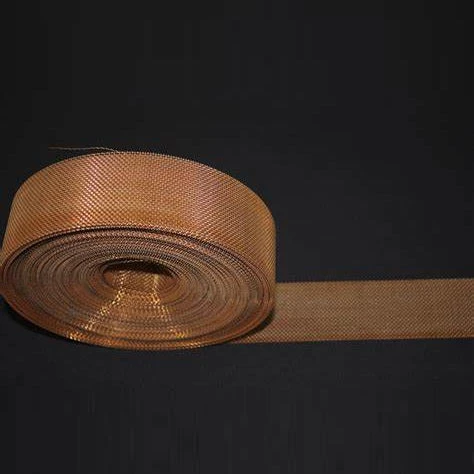

Galvanized Cloth: The Unsung Hero in Industrial Applications
Having spent years elbow-deep in industrial equipment and materials, I can tell you that galvanized cloth is one of those quietly indispensable materials that often fly under the radar. It’s not flashy, but it’s rugged and reliable — the kind of fabric that industrial pros lean on when durability matters.
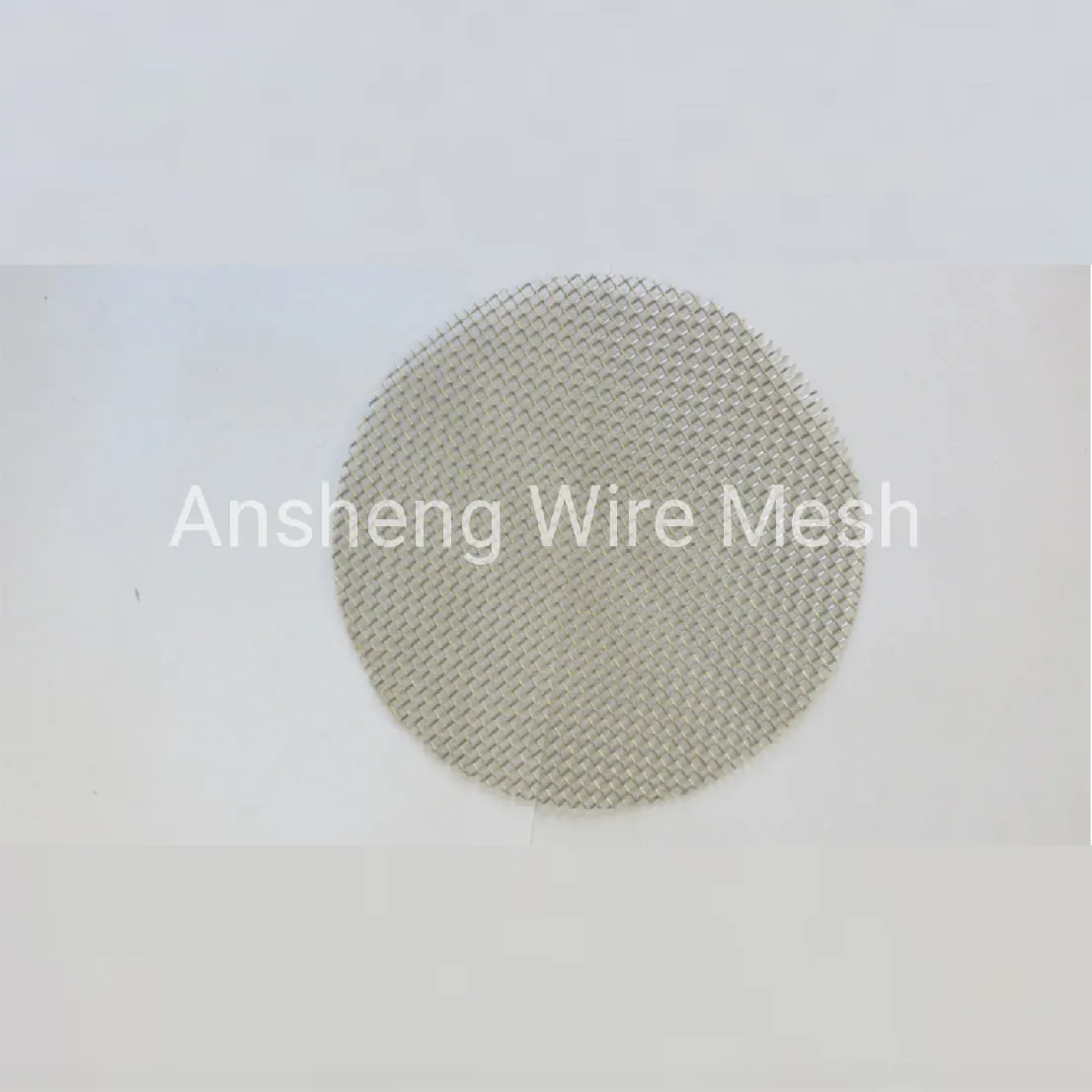
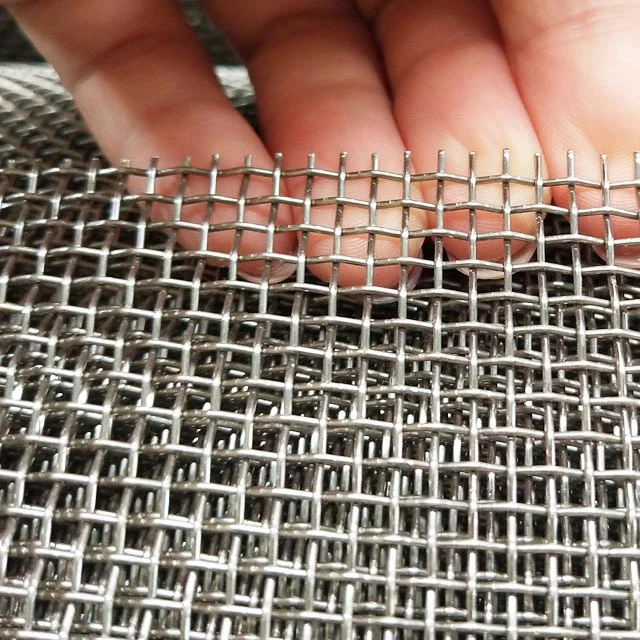
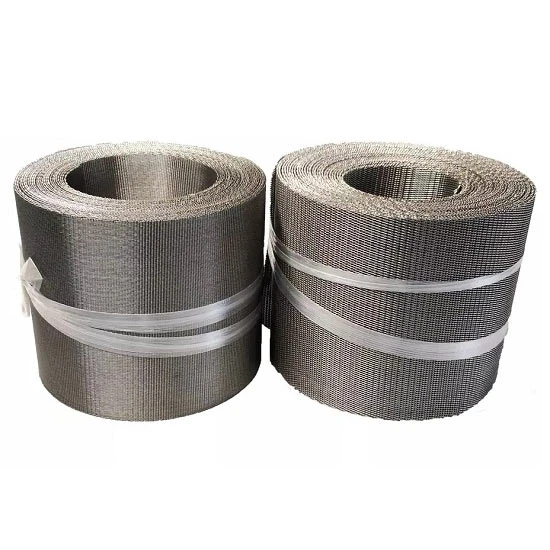
You see, galvanized cloth is basically woven steel wire mesh coated with zinc to prevent rust and corrosion. Oddly enough, that zinc layer is what extends the life of the material, especially in tough environments where moisture and chemicals are constant threats. I remember an old plant we serviced where the team swore by galvanized cloth for filtration because other options corroded too fast. It feels like something that should get more credit, frankly.
In real terms, galvanized cloth lends itself well to screens, filters, guards, and sieves—basically wherever industrial-grade protection and filtration are necessary. It’s common in sectors like mining, construction, chemical processing, and wastewater management. The cloth’s strength and corrosion resistance make it versatile enough to handle both fine filtration and heavy-duty screens.
Material & Design Aspects
Most galvanized cloth is made from low-carbon steel wire, zinc-coated either before or after weaving. The weave quality, wire diameter, and mesh size determine its specific performance characteristics. I’ve noticed that companies that pay attention to consistent zinc coating thickness often deliver more reliable products. Some even customize coatings based on client needs, like higher zinc for marine environments.
Testing is surprisingly rigorous. Corrosion resistance isn’t just a hopeful guess — salt spray and humidity tests are standard. Tensile strength tests ensure the cloth can take the physical stresses it will face during operation. From my experience, only a few vendors maintain steady quality. Inconsistent coating or weaving can lead to premature failures, which is a headache nobody wants on the factory floor.
| Specification | Typical Range or Value |
|---|---|
| Wire Material | Low carbon steel, zinc coated |
| Wire Diameter | 0.2 mm – 1.2 mm |
| Mesh Size | 10 – 100 mesh (varies by application) |
| Zinc Coating Thickness | 40 – 275 g/m² |
| Corrosion Resistance | Salt spray test up to 240 hours |
Comparing Galvanized Cloth Vendors
Choosing the right supplier can mean the difference between steady plant operation and unexpected downtime. Below is a quick rundown of three well-known manufacturers along with their strengths and drawbacks from practical, on-site feedback.
| Vendor | Quality | Customization | Lead Time | Price |
|---|---|---|---|---|
| Ansheng Filter Screen | Consistent, high corrosion resistance | Wide range; zinc thickness & mesh customization | Moderate (2-4 weeks) | Competitive |
| Vendor B | Good, minor variations reported | Limited customization options | Fast (1-2 weeks) | Affordable |
| Vendor C | Average, occasional rust issues noted | Basic options only | Long (4+ weeks) | Lower price but riskier |
I once worked on a retrofit where swapping conventional mesh for galvanized cloth from Ansheng Filter Screen extended the filter's lifespan by over 18 months in a harsh chemical plant. The downtime savings alone justified the marginally higher cost. Small wins like that add up quickly in operational budgets.
To round it off, galvanized cloth is an industrial mainstay because it blends toughness with corrosion resistance in a simple, cost-effective way. If you're specifying materials, it’s well worth considering, especially if your application demands reliability under corrosive or abrasive conditions.
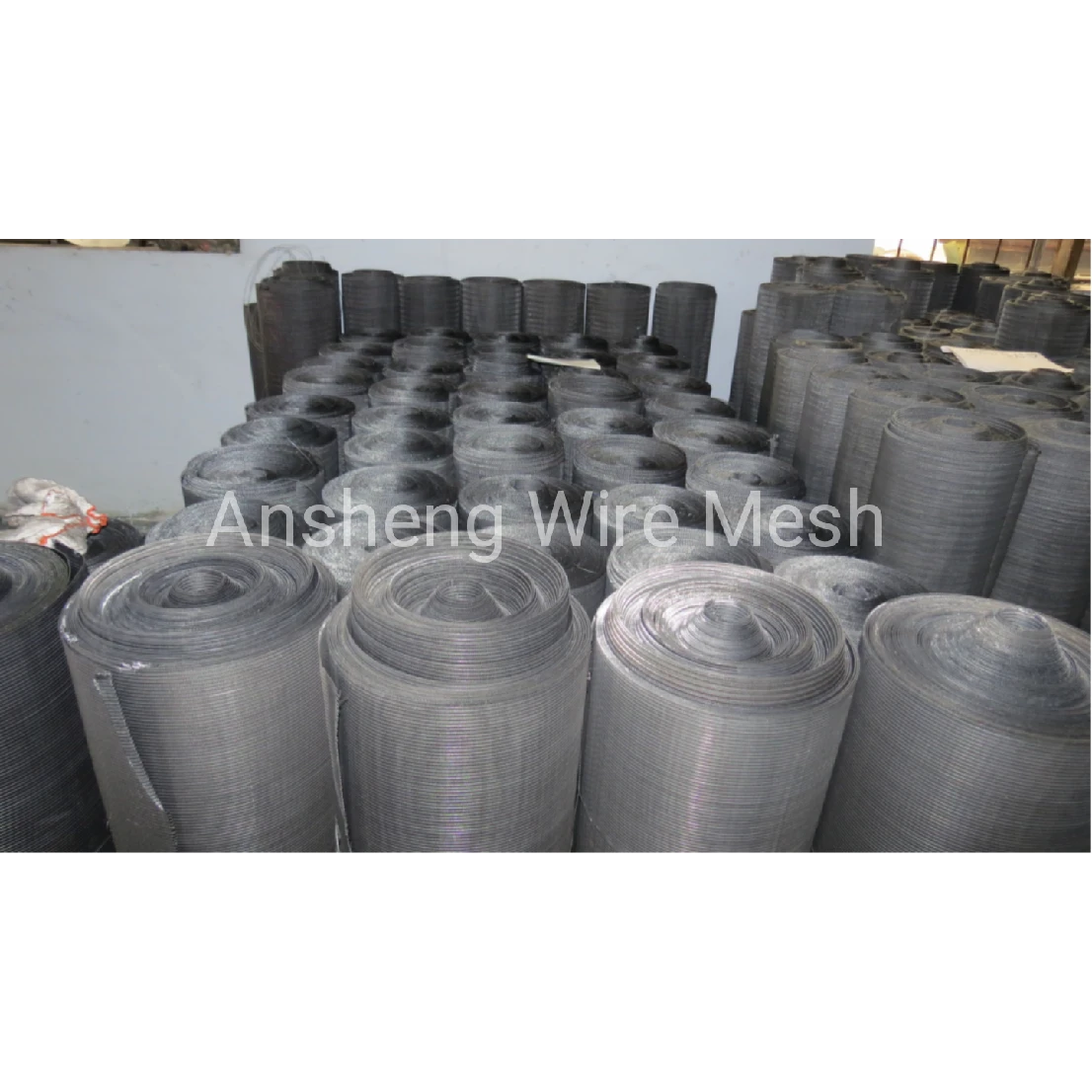
So, next time you pass a stack of galvanized cloth rolls in the warehouse, remember: these humble sheets are keeping plants running smoothly, one mesh at a time.
References:
1. Handbook of Wire Mesh & Industrial Screens, 3rd Edition
2. Corrosion Testing Methods for Industrial Metals, Journal of Materials Engineering, 2021
3. Personal service records & plant case studies, 2015-2023
Post time: Jan . 04, 2026 04:30