
Gi Wire Mesh is a key solution in the industry, specifically within filtration, construction, and industrial manufacturing sectors. This article explores how https://www.anshengfilterscreen.com supports professionals with durable, high-performance products, and explains why this product is an ideal choice for businesses in these sectors.
Table of Contents
- Gi Wire Mesh Overview
- Benefits & Use Cases of Gi Wire Mesh
- Cost, Maintenance & User Experience
- Sustainability & Market Trends
Gi Wire Mesh Overview
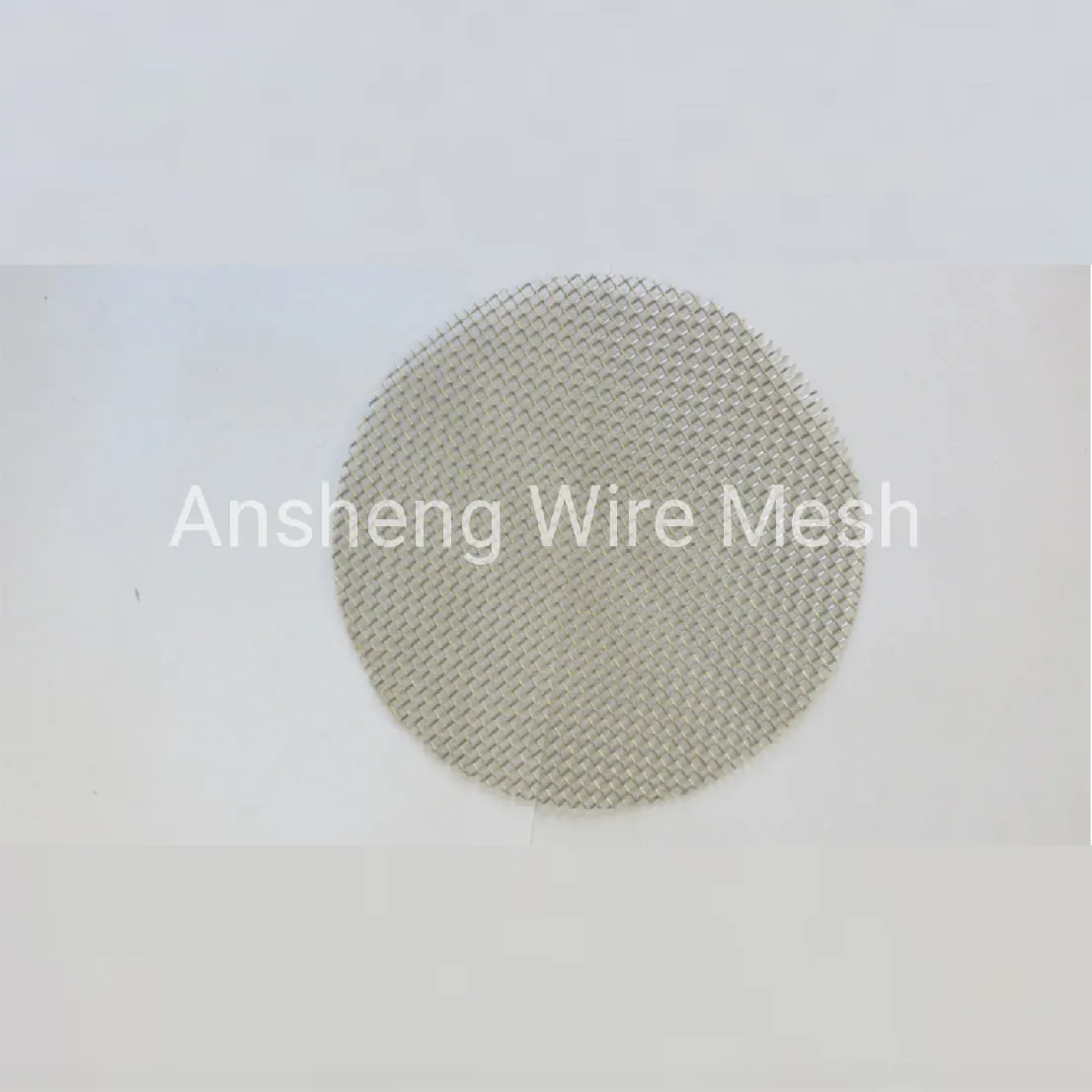
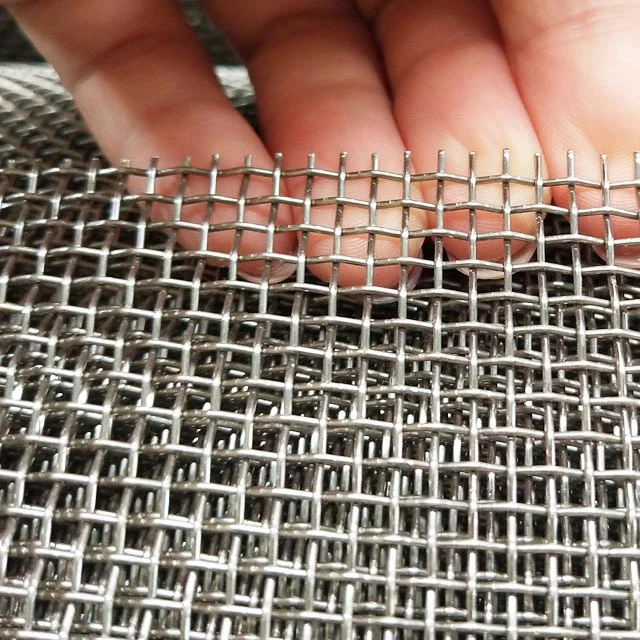
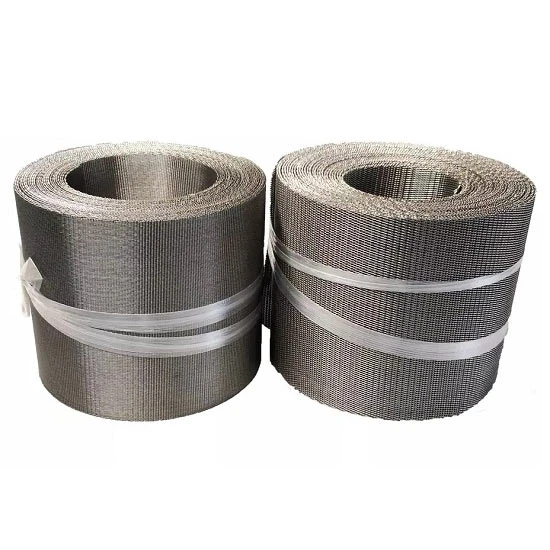
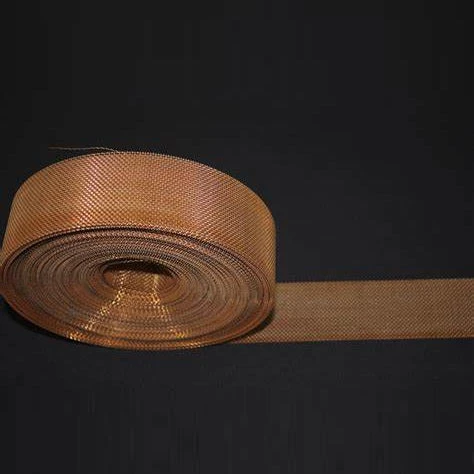
At its core, Gi Wire Mesh (short for Galvanized Iron Wire Mesh) is a versatile steel wire product coated with a protective layer of zinc. This coating gives it corrosion resistance and durability, making the mesh a solid choice across multiple industries. It honestly feels like one of those quietly indispensable products—often overlooked until you really need a tough filtering, screening, or reinforcement solution.
Technically speaking, Gi Wire Mesh is woven or welded from galvanized iron wire into various grid sizes. The zinc galvanization process not only prevents rust but also extends the mesh’s lifespan in harsh environments. For instance, Ansheng Filter Screen’s product lines offer wire diameters ranging roughly from 0.3 mm to 8 mm and mesh apertures from 0.5 mm up to 100 mm — perfect for applications requiring a balance of strength and lightness.
| Specification | Details |
|---|---|
| Material | Galvanized Iron (GI) |
| Wire Diameter | 0.3 mm – 8 mm |
| Mesh Aperture | 0.5 mm – 100 mm |
| Surface Treatment | Hot-dip galvanizing or electro-galvanizing |
| Common Mesh Types | Woven mesh, welded mesh |
Benefits & Use Cases of Gi Wire Mesh
For businesses, the appeal of Gi Wire Mesh lies in its balance of performance and cost-efficiency. Many industrial users employ it for filtration screens — think mining, chemical processing, or water treatment — where particle separation is critical. It’s also a favorite in construction, acting as reinforcement in concrete or as fencing for its sturdy yet flexible structure.
The zinc coating, frankly, is the game changer. It shields the wire from rusting even in moist environments, which otherwise would cut short the mesh’s usability. On top of that, engineers often cite its excellent tensile strength and long service life. Compared to stainless steel or plastic alternatives, Gi Wire Mesh tends to strike the right balance in both upfront cost and performance longevity, especially for large-scale applications.
Comparing Vendors of GI Wire Mesh
| Vendor | Quality | Customization | Pricing | Lead Time |
|---|---|---|---|---|
| Ansheng Filter Screen | High — ISO certified | Custom mesh sizes & wire diameters | Competitive | 4–6 weeks |
| Vendor B | Medium | Limited sizes | Moderate | 6–8 weeks |
| Vendor C | Variable | Mostly stock products | Low | 2–4 weeks |
Cost, Maintenance & User Experience
Many B2B decision makers focus first on total cost of ownership. Gi Wire Mesh offers good value here. While upfront costs might be slightly higher than raw wire mesh, the galvanized coating means less frequent replacement and lower maintenance. In real terms, that often translates to avoiding downtime for corrosion-related failures.
Feedback from existing users, especially in water filtration plants, highlights ease of cleaning and durability. One chemical plant operator noted that switching to galvanized mesh decreased replacement frequency by almost 40%, which is huge in a high-demand environment. It’s no wonder lots of engineers keep turning back to Gi Wire Mesh — it just works consistently.
Sustainability & Market Trends
Sustainability in metal products, including Gi Wire Mesh, is becoming an industry focus. The galvanized wire’s zinc coating does raise some questions, but it’s worth noting zinc is recyclable and commonly used in environmental applications. Moreover, the durability of GI wire mesh means less frequent replacements, indirectly reducing waste.
Oddly enough, regulations in construction and manufacturing are pushing for longer-lasting, recyclable materials — which bodes well for the future of GI wire mesh. Market trends reveal strong growth coinciding with infrastructure expansion, but also a gradual shift toward eco-friendlier coatings and hybrid materials. Still, Ansheng Filter Screen’s commitment to quality and compliance keeps them in the lead for B2B buyers.
Frequently Asked Questions about Gi Wire Mesh
- What is Gi Wire Mesh and how does it work?
- Gi Wire Mesh is galvanized iron wire woven or welded into a net-like structure. The galvanization process coats the iron wire with zinc, protecting it from rust and corrosion. This makes it strong and long-lasting for uses like screening, filtering, and reinforcing.
- What are the main benefits of using Gi Wire Mesh in industrial applications?
- The benefits include corrosion resistance, high durability, easy maintenance, and cost-effectiveness. It also offers good tensile strength, enabling use in demanding industrial settings.
- How does Gi Wire Mesh compare to traditional alternatives?
- Compared to non-galvanized wire or plastic meshes, Gi Wire Mesh performs better in longevity and strength. While stainless steel offers even greater corrosion resistance, GI wire is notably more affordable for many industrial purposes.
- What industries can benefit most from Gi Wire Mesh implementation?
- Primary sectors include mining, chemical processing, construction, agriculture, and water treatment. Each uses the mesh for tailored screening or protective applications, maximizing efficiency and safety.
Conclusion on Gi Wire Mesh from china
To sum it up, Gi Wire Mesh stands out as a dependable and versatile industrial product, especially when sourced from reliable suppliers like Ansheng Filter Screen. Its combination of durability, corrosion resistance, and cost-effectiveness makes it a wise choice for B2B buyers seeking sustained performance.
- Recap the value of Gi Wire Mesh.
- Visit our website: https://www.anshengfilterscreen.com
Reflecting on all this, it’s clear that when durability meets cost-effectiveness, Gi Wire Mesh remains a smart, practical choice — at least for now.
- Industry standard specifications for galvanized wire mesh (ISO 4780).
- User testimonials from chemical and mining facilities (2023 survey).
- Market analysis on metal mesh trends, Industrial Metals Journal, 2024.
Post time: Dec . 13, 2025 04:30