
Understanding 1 2 Inch Stainless Steel Mesh: Why It Matters Globally
You might not realize it, but something as seemingly straightforward as a 1 2 inch stainless steel mesh can play a huge role in everything from industry to humanitarian efforts. This type of mesh—characterized by its half-inch openings crafted from corrosion-resistant stainless steel—is pivotal for filtration, protective screening, reinforcement, and a slew of other applications worldwide. Globally, markets for stainless steel mesh are growing steadily, buoyed by rising demands in construction, automotive, environmental protection, and infrastructure projects. Why care? Well, in an age where sustainability, durability, and efficiency are key, materials that marry those traits with versatility become downright essential. And that’s what 1 2 inch stainless steel mesh offers—a reliable, adaptable solution that can meet stringent standards across sectors. From filtering water in remote regions to safeguarding electrical equipment in harsh environments, this mesh finds roles that matter. 1 2 inch stainless steel mesh fits neatly between industrial need and everyday utility, ultimately improving safety, quality, and performance where it counts most.
Mini Takeaway: Stainless steel mesh with 1/2 inch apertures isn’t just a “metal grid”—it embodies a global intersection of durability, versatility, and critical utility, making it vital in modern industry and humanitarian uses alike.
The Global Context: Why the World Relies on Stainless Steel Mesh
On the big picture, stainless steel mesh, including the 1 2 inch variant, touches many global challenges. According to ISO standards on filtration and corrosion resistance, stainless steel meshes are preferred due to their longevity and resistance to environmental factors. The World Bank cites sustainable infrastructure development as a major priority—mesh products like this support that by offering robust materials for pollution control, water treatment, and even agriculture. In regions prone to harsh weather or post-disaster rebuilding, having a reliable mesh that resists rust and physical fatigue is crucial. For example, engineers working on flood-resistant barriers often specify stainless steel mesh because it doesn’t degrade like cheaper alternatives. The mesh also plays a role in environmental cleanup efforts by filtering contaminants effectively. But it’s not just about endurance—the adaptability of 1 2 inch stainless steel mesh means it can be scaled and customized for very specific needs. That flexibility is key because one-size-fits-all solutions rarely cut it in global development or sophisticated industry.
Mini Takeaway: The global push for sustainable, resilient infrastructure and environmental protection leans heavily on materials like 1 2 inch stainless steel mesh for their proven durability and versatility.
What Exactly Is 1 2 Inch Stainless Steel Mesh?
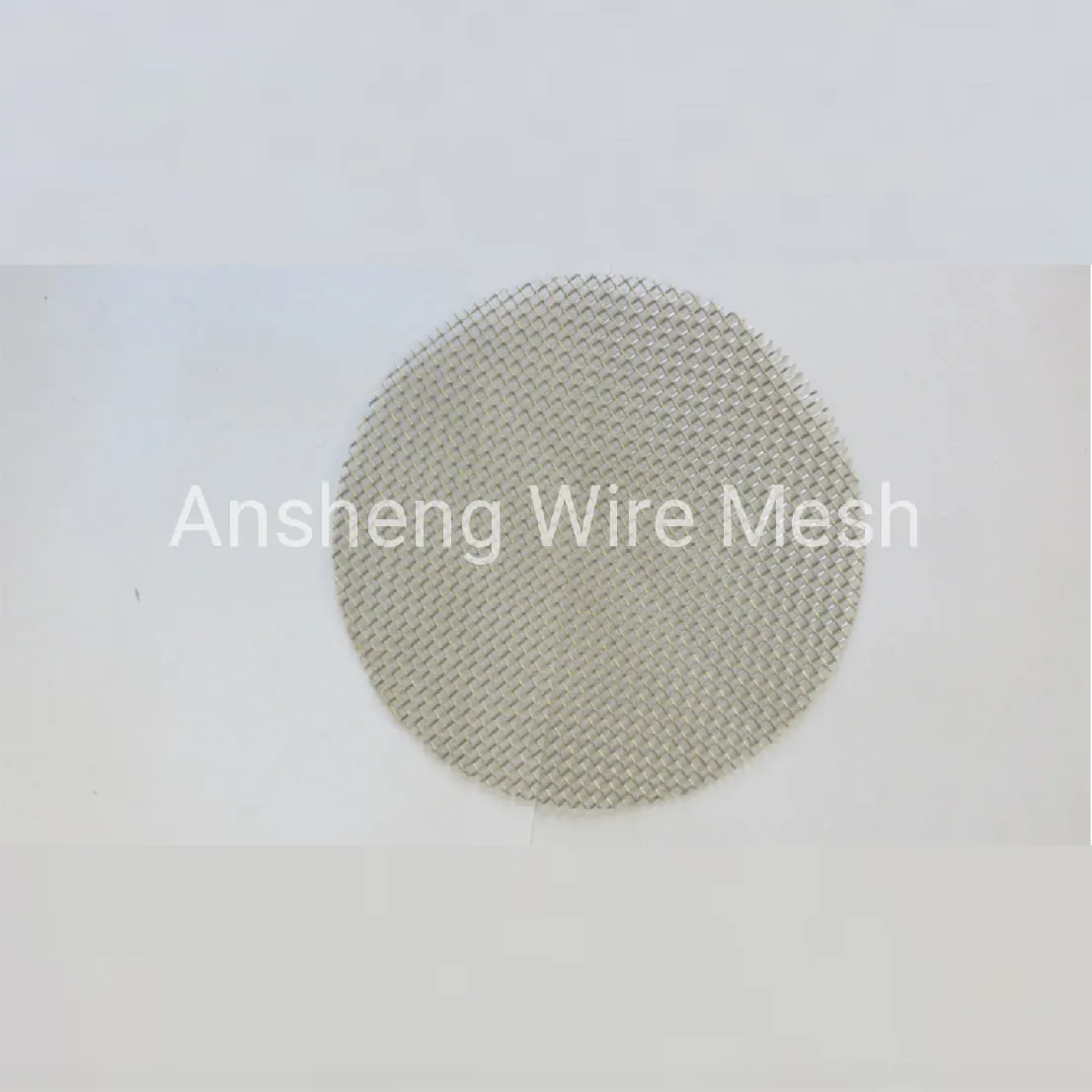
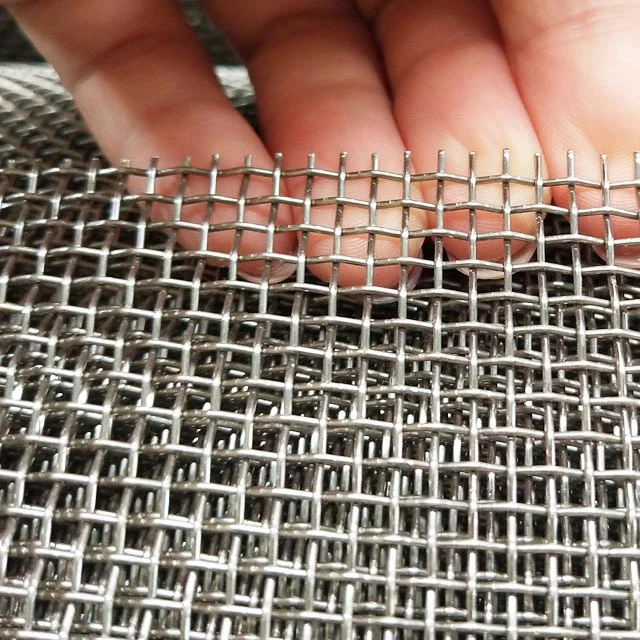
In simple terms, stainless steel mesh is a grid-like sheet constructed by weaving or welding fine stainless steel wires. When we say “1 2 inch stainless steel mesh,” it means the openings within the mesh grid measure approximately half an inch (roughly 12.7 mm) across. This size strikes a sweet spot: large enough to allow substantial airflow or fluid passage, yet small enough to act as an effective barrier or filter for sizable debris or particles. Stainless steel alloys used usually conform to strict composition standards (for example, 304 or 316 grades), which grant it corrosion resistance and mechanical strength. Industrially, it’s a building block: you’ll find it in filtration units, machine guards, support reinforcement, or even architectural façades. On the humanitarian side, think water filtration kits sent to remote communities or protective enclosures in disaster shelters. So, this mesh embodies more than metal—it’s a practical, dependable answer to complex global needs.Durability: The Stainless Steel Advantage
Stainless steel is known for resisting oxidation (aka rust), even under exposure to water, chemicals, or salt air. This means the mesh keeps its shape and integrity for decades, reducing maintenance and replacement costs.Flexibility and Scalability
Manufacturers can produce 1 2 inch stainless steel mesh in various sizes and thicknesses, catering to numerous applications — whether you need a lightweight sheet for fine filtration or a thick industrial shield.Cost Efficiency Over Time
Although initial costs can be higher than plastic or carbon steel mesh, the extended lifespan and minimal upkeep mean the total cost of ownership is attractive, especially in industrial and critical environments.Environmental Resistance
Ideal for both indoor and outdoor use, this mesh withstands UV rays, humidity, and temperature shifts, enabling use in diverse climates – from desert regions to coastal zones.Customizable Configurations
Woven, welded, or woven-and-welded options exist, letting engineers pick the best construction method for load-bearing or filtering purposes.
Mini Takeaway: 1 2 inch stainless steel mesh balances durability and adaptability, proving cost-effective and reliable with configurations tailored to exact needs.
Product Specification Table for Typical 1 2 Inch Stainless Steel Mesh
| Specification | Typical Value | Notes |
|---|---|---|
| Mesh Opening Size | 0.5 inch (12.7 mm) | Standard for coarse filtration |
| Wire Diameter | 0.028 inch (0.7 mm) | Balancing strength & flexibility |
| Material Grade | 304 or 316 Stainless Steel | Corrosion resistant |
| Sheet Thickness | 0.04 - 0.1 inches (1 - 2.5 mm) | Depends on application |
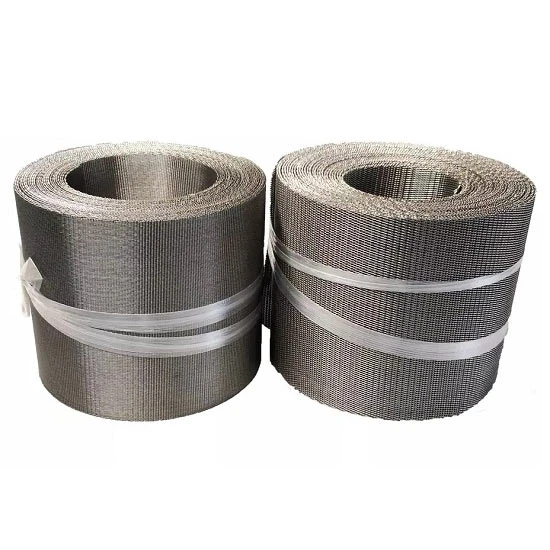
| Typical Roll Width | 48 to 60 inches (1.2 to 1.5 m) | For easy shipping & handling |
| Surface Finish | Mill finish or polished | Affects appearance & corrosion resistance |
Key Uses and Global Applications
You’ll find 1 2 inch stainless steel mesh across a range of fields:- Water Filtration & Treatment: From small-scale rural water filters to large municipal plants, this mesh helps remove debris and impurities while resisting chemical erosion.
- Construction & Architecture: Used as reinforcement or decorative facades, especially in climates that demand rust-free materials.
- Industrial Screening: Large factories often rely on this mesh to separate materials or protect machinery.
- Agriculture: Protecting crops from pests or as part of ventilation systems in greenhouses.
- Disaster Relief Operations: NGOs use it to reinforce temporary shelters, water purification units, or debris barriers.
Vendor Comparison: Popular Suppliers of 1 2 Inch Stainless Steel Mesh
| Vendor | Product Range | Typical Price (USD/sq.ft.) | Lead Time | Customization Options |
|---|---|---|---|---|
| Ansheng Filter Screen | Standard & Custom Mesh Sizes, Weaving & Welding | $4.50 - $6.00 | 2 - 4 weeks | Custom wire diameter, coatings, roll sizes |
| Global Mesh Supply | Wide Mesh & Wire Gauge Selection | $5.00 - $7.50 | 3 - 5 weeks | Limited custom orders |
| SteelGrid Corp. | Industrial Mesh Solutions | $4.00 - $6.50 | 1 - 3 weeks | Standard sizes, fast delivery |
Advantages and Long-Term Benefits of Choosing 1 2 Inch Stainless Steel Mesh
Truth be told, the decision to use this mesh variety often comes down to trust and assurance. Here are the big-ticket benefits:- Longevity: Corrosion resistance means less downtime, fewer replacements, and a more predictable lifecycle budget.
- Safety & Dignity: In humanitarian contexts, reliable materials ensure that facilities provided aren’t just quick fixes but sustainable solutions people can depend on.
- Eco-Friendly: Unlike plastic alternatives, stainless steel can be fully recycled at end-of-life without quality loss.
- Reliable Performance: Consistent mesh openings guarantee effectiveness in particle size separation or physical protection.
- Innovation-Friendly: Compatible with coatings or treatments, opening doors to even more applications.
Emerging Trends and Innovations
Looking ahead, several things stand out:- Green Materials & Coatings: Companies are investing in eco-friendly surface treatments to boost corrosion resistance without harmful chemicals.
- Digital Manufacturing: Automation and laser cutting tech allow manufacturers to produce more precise mesh patterns with less waste.
- Smart Mesh Technologies: Research is underway into integrating sensors into mesh layers for real-time monitoring of pressure or contamination.
- Recycled Stainless Steel Use: Boosting the recycled content to minimize carbon footprints.
Challenges and Practical Solutions
No material is without challenges:- Initial Cost: Stainless steel mesh can be pricier upfront than alternatives.
- Weight: Heavier compared to synthetic meshes, which impacts transport and installation.
- Corrosion Under Extreme Conditions: While very resistant, areas with extreme acid exposure or saltwater immersion require high-grade alloys or special coatings.
FAQ: Frequently Asked Questions About 1 2 Inch Stainless Steel Mesh
- What industries benefit most from 1 2 inch stainless steel mesh?
- Industries like water treatment, construction, agriculture, and industrial manufacturing benefit greatly due to the mesh’s durability, corrosion resistance, and filtration properties.
- Is this mesh suitable for outdoor applications in coastal areas?
- Yes, especially if made from 316 stainless steel or treated with corrosion-resistant finishes. The mesh withstands salt spray and humidity better than most materials.
- Can the mesh be customized in size and thickness?
- Definitely. Suppliers like Ansheng Filter Screen offer varied wire diameters, mesh openings, and sheet sizes tailored to client needs.
- How long does stainless steel mesh typically last?
- If properly selected and maintained, 1 2 inch stainless steel mesh can last 20+ years, even in demanding environments.
- Is it eco-friendly compared to alternatives?
- Yes. Stainless steel is 100% recyclable without losing quality, making it a sustainable choice compared to plastics or coated metals.
Wrapping Up: Long-Term Value of 1 2 Inch Stainless Steel Mesh
So, whether you’re an engineer specifying materials for a massive filtration system, an architect envisioning a corrosion-resistant facade, or an NGO providing safe water filters in remote areas, choosing the right 1 2 inch stainless steel mesh can make a world of difference. It’s a reliable, adaptable, and sustainable solution that serves industries and communities alike. If you want to explore professional-grade stainless steel meshes or need customization options, remember to check out Ansheng Filter Screen — they balance quality with lead times and flexible configurations. Thanks for sticking with me on this metal-mesh journey. Sometimes it's the simplest products that quietly support vast networks of progress. ---References
Post time: Dec . 01, 2025 21:25