
1 4 Fence Wire – Durable and Reliable Industrial Fencing Solution

Understanding 1 4 fence wire: A Veteran’s Take on Durability and Use

Having worked in the industrial equipment sector for over a decade, I’ve seen my fair share of fencing materials come and go. But when it comes to 1 4 fence wire, well, there’s a kind of straightforward reliability that just sticks with you. It’s not flash or fancy, but it gets the job done — and often, that’s all you need in the field.

One thing that struck me early on was how widely this wire is used across industries—from agricultural fencing to securing construction sites—because it balances strength with flexibility. You know, it’s sturdy enough to hold up under everyday stress but also easy enough to work with, which reduces installation headaches. Frankly, I find many engineers and field techs appreciate that about it.

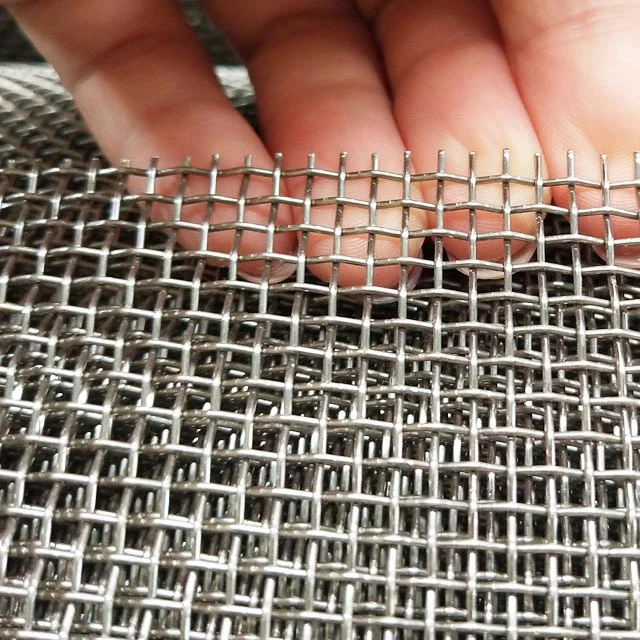
Now, what exactly is 1 4 fence wire? It’s typically wire made from galvanized steel, about 14 gauge in thickness—that’s roughly 1.63 millimeters. This gauge hits a sweet spot: thick enough to resist snapping or heavy deformation, but not so thick that handling it requires a small crane. You can twist and bend it by hand or hand tools if you’re careful, but it does resist kinking, which is a blessing in the field.

Speaking of materials, the galvanized coating is really the unsung hero here. It’s zinc-plated to prevent rust formation, which is crucial when fencing faces exposure to rain, dew, or even salt air near coastal regions. In my experience, proper galvanization extends the lifespan of fence wire immensely. I once saw a test where untreated wire rusted through in under two seasons, whereas galvanized wire lasted well beyond five years with minimal maintenance.

Oddly enough, the market for fence wire hasn't changed radically over the years, but there are more emphasis on eco-friendly production and recycled materials nowadays. And customizable lengths or pre-cut reels make life easier for installers who need specific dimensions, reducing waste and speeding up deployment.

Something I’ve noticed is the demand for heavier tensile strength in some projects. Fence wire that can stretch progressively without breaking—critical for containing livestock or maintaining perimeter security during high winds or animal impact.

Here's a quick glance at typical specs of a standard 1 4 fence wire product:

Specification Detail
Material High-strength galvanized steel
Gauge 14 (approx. 1.63 mm diameter)
Coating Zinc galvanization
Tensile Strength Up to 80,000 psi
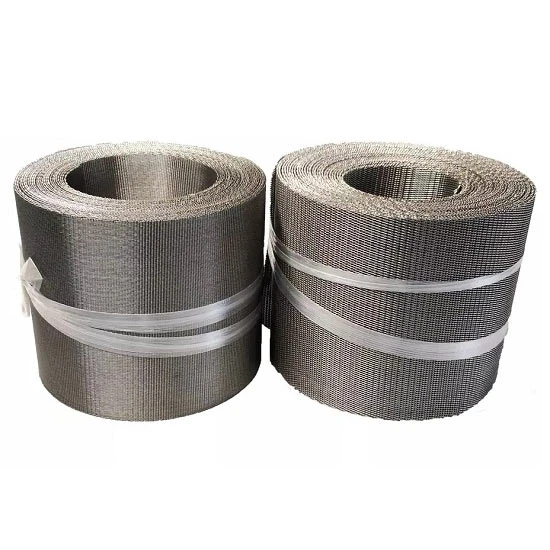
Standard length 50 meters per roll (custom lengths available)
Common uses Agricultural, construction, security fencing

In terms of vendors, I’ve found there’s quite a spectrum out there. Some suppliers focus on low-cost, basic wire intended for short-term use—perhaps for temporary fencing or light gardening. Others invest more in quality testing and use thicker galvanized coatings to ensure the wire performs under harsher conditions. Here’s a quick comparison to help you see what to look out for:

Vendor Gauge Options Galvanization Quality Custom Lengths Pricing
Ansheng Filter Screen 14, 12, 10 High-grade zinc coating (100+ g/m²) Yes, up to 100m rolls Competitive, volume discounts
Generic Steel Co. 14 only Standard galvanization (~50 g/m²) Limited options Lower cost, no-frills
Premium Wire Ltd. 12, 10 only Superior galvanization (150+ g/m²) Yes, custom orders Higher price, premium quality

I remember working with a cattle farmer in Montana who was struggling with fencing breaking during winter storms. When we switched his perimeter to a high-tensile galvanized 14-gauge wire, the difference was night and day. The fence barely budged under snowweight or wind, and he commented how it saved him countless repair hours over two winters. That kind of real-world validation always counts more than spec sheets, right?

Before I forget, if you’re looking for reliable 1 4 fence wire with solid specs, I recommend checking out Ansheng Filter Screen. Their products stand out for quality and customization ability—important when the stakes are on keeping your site secure or safe.

In real terms, though, choosing fence wire always comes down to your specific needs: environment, load, and budget. You can spend a lot more on premium wire, but sometimes plain galvanized 14-gauge is more than enough for the job. What I’ve learned is that knowing your conditions and reading the specs carefully avoid headaches down the line.

So, if you’re out there needing sturdy, cost-effective fencing wire, it really pays to lean on suppliers with proven track records, and keep the zinc coating thick. After all, a fence may be invisible most days, but when it fails, it gets all the attention...

Here’s to wire that just works.

References:

  1. "Galvanized Fence Wire: Strength and Longevity," Industrial Fencing Journal, 2021.
  2. J. Peters, "Materials for Agricultural Fencing," FarmTech Press, 2019.
  3. Case Study: Montana Cattle Ranch Fence Upgrade, Field Reports, 2022.

Post time: Dec . 30, 2025 19:10
Related News
  • Dutch weave is a versatile type of woven wire mesh known for its unique structure and diverse applications. It's characterized by alternating plain and twill weaves, resulting in a fabric with excellent strength, flexibility, and permeability. This makes it ideal for a range of uses in industries like filtration, screening, and reinforcement. Ansheng Filter Screen specializes in high-quality dutch weave mesh, catering to diverse industrial needs. Understanding the properties and applications of dutch weave is key to maximizing its benefits in various sectors. Dutch weave isn’t a single weave pattern but a combination. It’s created by alternately weaving plain and twill patterns. The twill weave creates a diagonal rib pattern which impacts the mesh’s properties. This unique construction results in a mesh that is more open in one direction than the other, providing excellent flow characteristics. This makes it superior for applications needing high permeability while maintaining good structural integrity.

  • Protecting crops, buildings, and infrastructure from bird damage is a significant concern for many industries. Galvanised bird mesh provides a robust and effective solution. This article will explore the benefits, applications, and key considerations when choosing galvanised bird mesh, offering a detailed overview for those seeking reliable bird control. From agricultural protection to industrial applications, we will cover everything you need to know about this versatile product. Galvanised bird mesh is a woven wire netting coated with a layer of zinc. This galvanisation process provides excellent corrosion resistance, making it suitable for outdoor applications and harsh environments. The mesh is typically made from steel wire, offering strength and durability. Different mesh sizes are available to cater to various bird species and protection needs.

  • When selecting materials for industrial filtration, construction, or agricultural applications, galvanized steel mesh screen stands out as a durable and cost-effective solution. This article will provide a detailed overview of galvanized steel mesh screen, covering its properties, applications, benefits, and important considerations when making a purchase. Understanding its characteristics can help you determine if it’s the ideal material for your specific needs. We will delve into the nuances of this versatile material and how Ansheng Filter Screen provides quality products. Galvanized steel mesh screen is a woven wire mesh manufactured from steel that has been coated with a layer of zinc. This zinc coating acts as a protective barrier against corrosion and rust, significantly extending the lifespan of the steel. The galvanization process can be hot-dip galvanizing or electro-galvanizing, each offering different levels of protection and cost. The mesh is typically available in various weave patterns, such as plain weave, twill weave, and dutch weave, each suited for different filtration and screening needs.

  • Galvanized netting is a versatile and cost-effective solution for a wide range of applications, from agricultural fencing to industrial safety barriers. Its durability and resistance to corrosion make it a popular choice across numerous industries. This article will delve into the properties of galvanized netting, exploring its benefits, common uses, different types available, and how to select the best netting for your specific needs. Understanding the nuances of galvanized netting will ensure you make an informed decision and maximize its lifespan and effectiveness. Galvanized netting is woven from steel wire that has been coated with a layer of zinc through a process called galvanization. This zinc coating acts as a barrier against corrosion, protecting the steel from rust and environmental damage. There are two primary galvanization methods: hot-dip galvanizing and electro-galvanizing. Hot-dip galvanizing involves immersing the steel wire in a bath of molten zinc, creating a thick and durable coating. Electro-galvanizing uses an electric current to deposit a thinner layer of zinc onto the wire.

  • Dutch weave mesh is a versatile and durable material used in a wide range of industrial and filtration applications. Known for its unique weaving pattern, it provides excellent strength and permeability. This article will explore the characteristics, applications, benefits, and considerations when choosing Dutch weave mesh, providing a thorough understanding for professionals and buyers. Understanding its properties is vital to selecting the right mesh for your needs. Dutch weave mesh is created by weaving two sets of wires – one heavier warp wire and one finer shute wire – in a specific pattern. This construction results in a mesh with larger openings in one direction and smaller openings in the other. The heavier warp wires provide strength and dimensional stability, while the finer shute wires create a greater open area for improved flow rates. This unique structure differentiates it from plain weave or twill weave meshes, making it ideal for applications requiring both filtration and structural integrity.

  • Explore the benefits, applications, and vendors of Reverse Dutch Weave for industrial filtration systems. Learn how Ansheng Filter Screen delivers durable and high-performance filtration solutions.

  • Explore the benefits, applications, and vendor landscape of Reverse Dutch Weave Wire Mesh. Learn how Ansheng Filterscreen can help you optimize your filtration processes.

  • In today's industrial and commercial fields, super fine wire mesh has grown into a critical component thanks to its precision and efficiency. This mesh type, often used in air and liquid filtration, can trap incredibly small particles while allowing air or fluids to pass through.

WE PROVIDE HIGH QUALITYEQUIPMENT
Recommend Products
  • Stainless Steel Plain Weave Wire Mesh

    Stainless steel plain weave wire mesh, also known as Stainless steel wire cloth, stainless steel screen, stainless steel gauze. Materials: Stainless steel 201, 304, 316, 316L, etc. Plain weave scope of Mesh : 1mesh-635mesh Plain weave scope of wire diameter: 1mm-0.001mm Plain weave scope of width: usually 0.915m-2meters, and special specifications can be customized according to customer requirements. Plain weave scope of length: generally 30 meters. Stainless steel wire mesh weave type: plain weave, twill weave, herringbone weave, dutch weave, reserve dutch weave

  • Stainless Steel Reverse Dutch Weave Wire Mesh

    Stainless steel reserve dutch weave wire mesh, also known as Stainless steel wire cloth, stainless steel screen, stainless steel gauze. Materials: Stainless steel 201, 304, 316, 316L, etc. Reserve dutch weave scope of Mesh : 72x15mesh-260x40mesh Reserve dutch weave scope of wire diameter: 0.55mm-0.15mm Reserve dutch weave scope of width: usually 60mm-300mm, and special specifications can be customized according to customer requirements. Reserve dutch weave scope of length: generally 10 meters, 20 meters, 30meters. Stainless steel wire mesh weave type: plain weave, twill weave, herringbone weave, dutch weave, reserve dutch weave

  • Iron Dutch Weave Wire Mesh

    Low-carbon steel dutch weave wire mesh, also known as iron wire filter mesh, black wire cloth. Materials: Low-carbon steel Scope of Mesh : 7x55mesh-40x200mesh Scope of wire diameter: 0.14mm-0.75mm Scope of width: usually 0.915m-1.3meters, and special specifications can be customized according to customer requirements. Scope of length: generally 30 meters. Weave: plain weave, herringbone weave, dutch weave

  • Phosphor Copper Wire Mesh

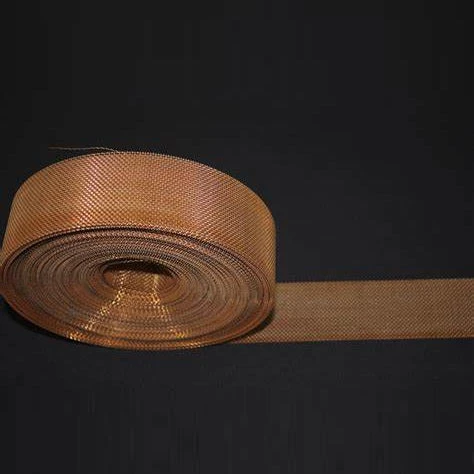
    Phosphor copper wire mesh, also known as copper wire mesh. Materials: QSn6.5-0.1,QSn6.5-0.4 Property: Non-magnetic, wear resistant, good ductility Scope of Mesh : 2-300mesh Scope of wire diameter: 0.08mm-0.8mm Scope of width: usually 1m-1.5meters, and special specifications can be customized according to customer requirements. Scope of length: generally 30 meters. Weave: plain weave, twill weave

tel email tel top

If you are interested in our products, you can choose to leave your information here, and we will be in touch with you shortly.