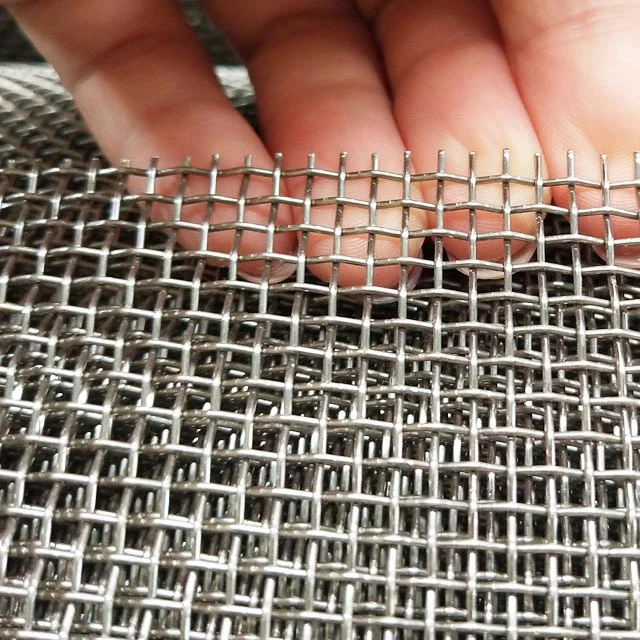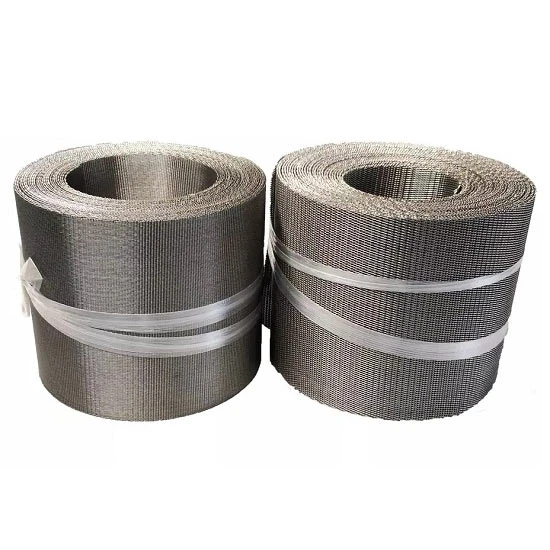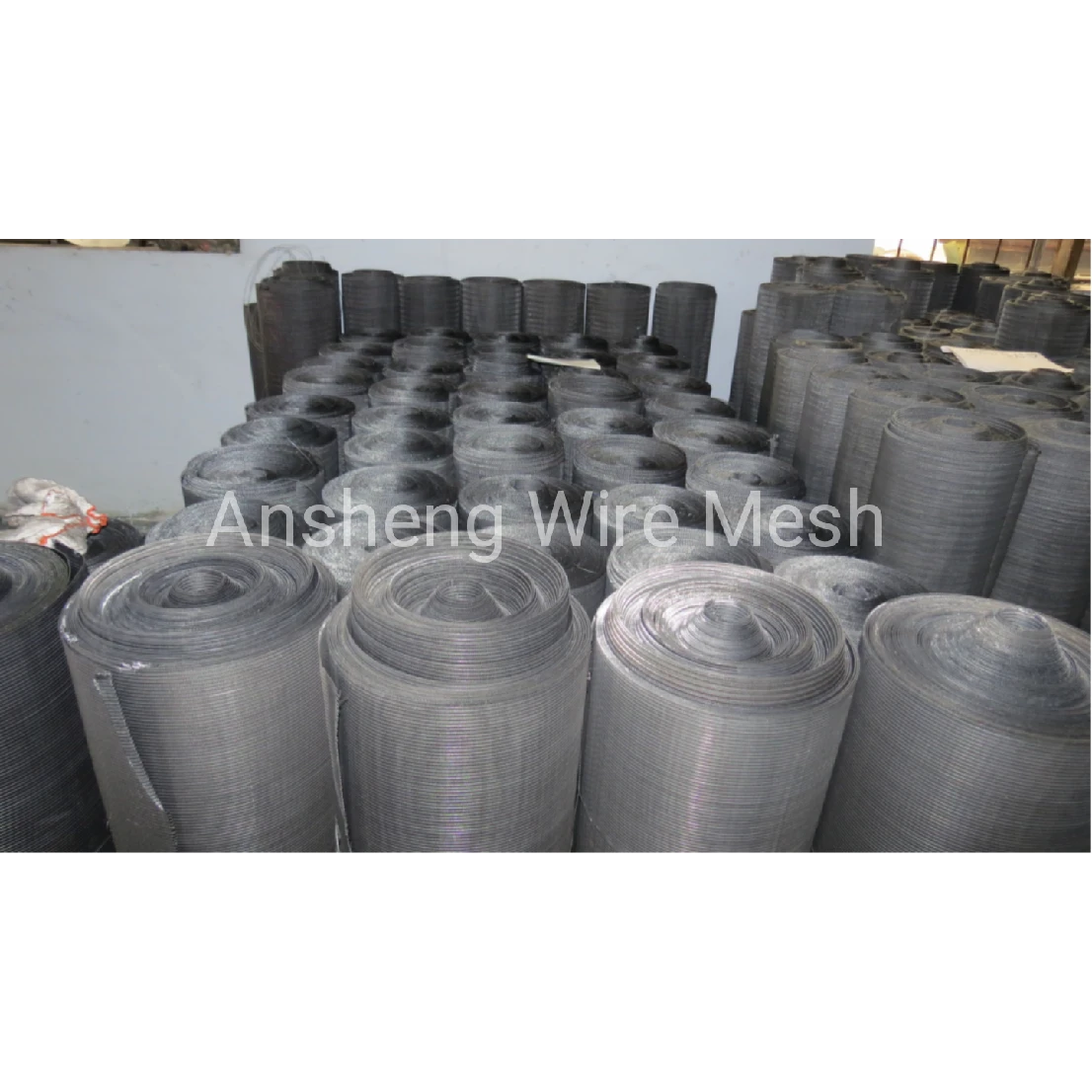

Stainless Welded Wire Mesh - Corrosion-Resistant & Precise

Stainless Welded Wire Mesh — field notes from the factory floor

If you’ve specced industrial screens or machine guards in the last few years, you’ve probably noticed the same thing I have: demand for Stainless Welded Wire Mesh is climbing, while ad-hoc mild-steel fixes fade out. Why? Consistency and compliance. Hygiene rules tightened, corrosion costs got more visible, and (to be honest) procurement teams finally have better access to certified suppliers. Our network in Anping—No.346 Xinying East Street, Anping County, Hebei, China—turns out a lot of stainless grid every month; they also run copper lines, but I’ll get to that.
Stainless Welded Wire Mesh - Corrosion-Resistant & Precise

What it is and where it’s going

At its core, Stainless Welded Wire Mesh is a resistance-welded grid: straightened stainless wire (304/304L/316/316L) laid orthogonally and fused at each intersection. Unlike woven cloth, welded mesh holds shape under load with minimal creep—great for guards, enclosures, architectural screens, and filtration support layers. Trend-wise, I’m seeing more requests for 316L with post-weld passivation, plus electropolished finishes for food and pharma. Surprisingly, panelized formats now rival rolls because installers want plug-and-play.

Process flow (shop-floor version)

  • Materials: ASTM A580/A580M wire (304/304L/316/316L), heat lot-traceable.
  • Wire drawing → straightening → resistance welding (programmable) → trimming/flattening.
  • Finishes: degrease → pickling/passivation (per ASTM A967) → optional electropolish.
  • Testing: weld shear (ISO 14270), bend test (ASTM E290), salt spray for finish (ASTM B117), dimensional tolerances (ISO 1461/house spec; real-world use may vary).
  • Service life: ≈10–25 years outdoors for 316L (industrial atmosphere); 304 indoors often >15 years.
  • Industries: food and beverage, pharma, petrochem, architectural, mining, HVAC, agriculture.

Typical specifications

Mesh/Aperture Wire Ø Grade Format Finish Notes
6×6 mm to 50×50 mm ≈0.8–4.0 mm 304 / 304L / 316 / 316L Rolls (1–2 m wide, ≈30 m) or panels Passivated, optional electropolish Tolerances per order drawing
Custom apertures >4.0 mm on request Duplex on request Framed panels Pickle-only for economy Edge trims, tags, lot trace

Where it shines

  • Machine guarding and safety cages (stiff, predictable load path).
  • Food/pharma trays and partitions (smooth welds, cleanability).
  • Architectural facades and rails (316L, low-maintenance aesthetics).
  • Filter support layers in corrosive duty (stable geometry vs woven).
Stainless Welded Wire Mesh - Corrosion-Resistant & Precise

Customization (real projects rarely fit a catalog)

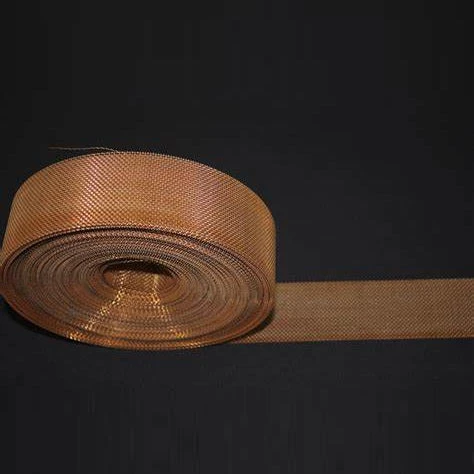
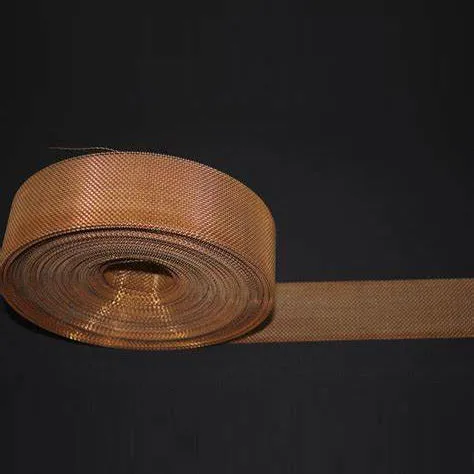
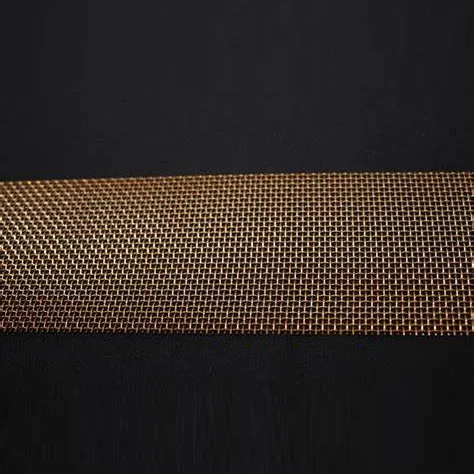
We regularly do oddball apertures, mixed wire diameters, laser-cut openings, and frame welding per AWS D1.6. For hygiene zones, electropolishing reduces Ra and makes cleanup faster. Side note: the same plant also offers phosphor copper wire mesh (QSn6.5-0.1 / QSn6.5-0.4) for non-magnetic or specialty screening—handy when you need conductivity or wear resistance in parallel lines.

Vendor snapshot (what buyers compare)

Vendor Grades MOQ Lead Time Certs Notes
Ansheng (Anping) 304/316/316L ≈100 m or 50 panels 2–4 weeks ISO 9001, RoHS Custom frames; copper mesh line on site
Local Distributor 304 Stock only Immediate Basic CoC Fast pickup; limited sizes
Overseas Trader 304/316 Container 5–8 weeks Varies Price-led; check weld QA

Case notes and feedback

Food plant retrofit: 316L, 25×25 mm aperture, 2.0 mm wire, electropolished. Weld shear averaged >380 N/weld on coupons; salt spray 500 h no red rust. Downtime for washdowns dropped ~12% (maintenance team’s estimate).

“Panels arrived flat. No rework, no burrs. That’s rare.” — Production supervisor, beverage line

Origin: No.346 Xinying East Street, Anping County, Hebei, China.

Citations

  1. ASTM A580/A580M — Stainless Steel Wire Specification.
  2. ASTM A967 — Chemical Passivation of Stainless Steel.
  3. ASTM B117 — Standard Practice for Salt Spray (Fog) Testing.
  4. ISO 14270 — Resistance Spot Welds, Tensile Shear Test Method.
  5. AWS D1.6 — Structural Welding Code – Stainless Steel.

Post time: Oct . 27, 2025 17:15
Related News
  • Dutch wire mesh, renowned for its precision and versatility, is a crucial material across various industries, from filtration and screening to architectural applications. This article delves into the specifics of Dutch wire mesh, its properties, applications, and why Ansheng Filter Screen is a leading provider of high-quality Dutch wire mesh solutions. Whether you are in need of precise filtration, robust screening, or specialized weaving, understanding the nuances of this material is key to making informed decisions. Let's explore the world of Dutch wire mesh and uncover its many benefits. Dutch wire mesh isn’t a specific weave style but rather a term signifying a precise method of weaving wire, primarily focusing on achieving extremely consistent aperture sizes. It’s characterized by its tightly controlled weave and uniform openings, making it ideal for applications where precise filtration or screening is critical. Typically made from stainless steel (304, 316L, and others), the mesh is known for its durability, corrosion resistance, and ability to withstand high temperatures. The process involves weaving wires in both warp and weft directions, creating a stable and dimensionally accurate fabric.

  • Dutch weave is a versatile type of woven wire mesh known for its unique structure and diverse applications. It's characterized by alternating plain and twill weaves, resulting in a fabric with excellent strength, flexibility, and permeability. This makes it ideal for a range of uses in industries like filtration, screening, and reinforcement. Ansheng Filter Screen specializes in high-quality dutch weave mesh, catering to diverse industrial needs. Understanding the properties and applications of dutch weave is key to maximizing its benefits in various sectors. Dutch weave isn’t a single weave pattern but a combination. It’s created by alternately weaving plain and twill patterns. The twill weave creates a diagonal rib pattern which impacts the mesh’s properties. This unique construction results in a mesh that is more open in one direction than the other, providing excellent flow characteristics. This makes it superior for applications needing high permeability while maintaining good structural integrity.

  • Protecting crops, buildings, and infrastructure from bird damage is a significant concern for many industries. Galvanised bird mesh provides a robust and effective solution. This article will explore the benefits, applications, and key considerations when choosing galvanised bird mesh, offering a detailed overview for those seeking reliable bird control. From agricultural protection to industrial applications, we will cover everything you need to know about this versatile product. Galvanised bird mesh is a woven wire netting coated with a layer of zinc. This galvanisation process provides excellent corrosion resistance, making it suitable for outdoor applications and harsh environments. The mesh is typically made from steel wire, offering strength and durability. Different mesh sizes are available to cater to various bird species and protection needs.

  • When selecting materials for industrial filtration, construction, or agricultural applications, galvanized steel mesh screen stands out as a durable and cost-effective solution. This article will provide a detailed overview of galvanized steel mesh screen, covering its properties, applications, benefits, and important considerations when making a purchase. Understanding its characteristics can help you determine if it’s the ideal material for your specific needs. We will delve into the nuances of this versatile material and how Ansheng Filter Screen provides quality products. Galvanized steel mesh screen is a woven wire mesh manufactured from steel that has been coated with a layer of zinc. This zinc coating acts as a protective barrier against corrosion and rust, significantly extending the lifespan of the steel. The galvanization process can be hot-dip galvanizing or electro-galvanizing, each offering different levels of protection and cost. The mesh is typically available in various weave patterns, such as plain weave, twill weave, and dutch weave, each suited for different filtration and screening needs.

  • Galvanized netting is a versatile and cost-effective solution for a wide range of applications, from agricultural fencing to industrial safety barriers. Its durability and resistance to corrosion make it a popular choice across numerous industries. This article will delve into the properties of galvanized netting, exploring its benefits, common uses, different types available, and how to select the best netting for your specific needs. Understanding the nuances of galvanized netting will ensure you make an informed decision and maximize its lifespan and effectiveness. Galvanized netting is woven from steel wire that has been coated with a layer of zinc through a process called galvanization. This zinc coating acts as a barrier against corrosion, protecting the steel from rust and environmental damage. There are two primary galvanization methods: hot-dip galvanizing and electro-galvanizing. Hot-dip galvanizing involves immersing the steel wire in a bath of molten zinc, creating a thick and durable coating. Electro-galvanizing uses an electric current to deposit a thinner layer of zinc onto the wire.

  • Dutch weave mesh is a versatile and durable material used in a wide range of industrial and filtration applications. Known for its unique weaving pattern, it provides excellent strength and permeability. This article will explore the characteristics, applications, benefits, and considerations when choosing Dutch weave mesh, providing a thorough understanding for professionals and buyers. Understanding its properties is vital to selecting the right mesh for your needs. Dutch weave mesh is created by weaving two sets of wires – one heavier warp wire and one finer shute wire – in a specific pattern. This construction results in a mesh with larger openings in one direction and smaller openings in the other. The heavier warp wires provide strength and dimensional stability, while the finer shute wires create a greater open area for improved flow rates. This unique structure differentiates it from plain weave or twill weave meshes, making it ideal for applications requiring both filtration and structural integrity.

  • Explore the benefits, applications, and vendors of Reverse Dutch Weave for industrial filtration systems. Learn how Ansheng Filter Screen delivers durable and high-performance filtration solutions.

  • Explore the benefits, applications, and vendor landscape of Reverse Dutch Weave Wire Mesh. Learn how Ansheng Filterscreen can help you optimize your filtration processes.

WE PROVIDE HIGH QUALITYEQUIPMENT
Recommend Products
  • Stainless Steel Plain Weave Wire Mesh

    Stainless steel plain weave wire mesh, also known as Stainless steel wire cloth, stainless steel screen, stainless steel gauze. Materials: Stainless steel 201, 304, 316, 316L, etc. Plain weave scope of Mesh : 1mesh-635mesh Plain weave scope of wire diameter: 1mm-0.001mm Plain weave scope of width: usually 0.915m-2meters, and special specifications can be customized according to customer requirements. Plain weave scope of length: generally 30 meters. Stainless steel wire mesh weave type: plain weave, twill weave, herringbone weave, dutch weave, reserve dutch weave

  • Stainless Steel Reverse Dutch Weave Wire Mesh

    Stainless steel reserve dutch weave wire mesh, also known as Stainless steel wire cloth, stainless steel screen, stainless steel gauze. Materials: Stainless steel 201, 304, 316, 316L, etc. Reserve dutch weave scope of Mesh : 72x15mesh-260x40mesh Reserve dutch weave scope of wire diameter: 0.55mm-0.15mm Reserve dutch weave scope of width: usually 60mm-300mm, and special specifications can be customized according to customer requirements. Reserve dutch weave scope of length: generally 10 meters, 20 meters, 30meters. Stainless steel wire mesh weave type: plain weave, twill weave, herringbone weave, dutch weave, reserve dutch weave

  • Iron Dutch Weave Wire Mesh

    Low-carbon steel dutch weave wire mesh, also known as iron wire filter mesh, black wire cloth. Materials: Low-carbon steel Scope of Mesh : 7x55mesh-40x200mesh Scope of wire diameter: 0.14mm-0.75mm Scope of width: usually 0.915m-1.3meters, and special specifications can be customized according to customer requirements. Scope of length: generally 30 meters. Weave: plain weave, herringbone weave, dutch weave

  • Phosphor Copper Wire Mesh

    Phosphor copper wire mesh, also known as copper wire mesh. Materials: QSn6.5-0.1,QSn6.5-0.4 Property: Non-magnetic, wear resistant, good ductility Scope of Mesh : 2-300mesh Scope of wire diameter: 0.08mm-0.8mm Scope of width: usually 1m-1.5meters, and special specifications can be customized according to customer requirements. Scope of length: generally 30 meters. Weave: plain weave, twill weave

tel email tel top

If you are interested in our products, you can choose to leave your information here, and we will be in touch with you shortly.