
Stainless Steel Net Sheet: Durable Mesh Solutions for Modern Industry and Beyond

Why Stainless Steel Net Sheets Matter in a Global Context

If you’ve ever looked closely at filters, grilles, or protective screens, chances are you’ve encountered some form of a stainless steel net sheet. It might seem like a tiny cog in the industrial machine, but it’s actually a global staple with surprising importance. From environmental protection to high-tech manufacturing, understanding these sheets unlocks a world of benefits—durability, versatility, and sustainability among them.

Globally, increasing industrial activities and infrastructure projects rely heavily on durable materials that can withstand harsh conditions. According to recent ISO and World Bank reports, demand for corrosion-resistant materials like stainless steel surged by nearly 15% in the last five years, particularly in Asia and the Middle East (1). This rise is fueled by the need to maintain safety, reduce maintenance costs, and improve lifespan in diverse environments.

Frankly, stainless steel net sheets are more than just “metal meshes.” They’re vital in applications from water filtration plants solving clean water scarcity to architectural facades enhancing urban aesthetics. Given their value, it’s no surprise industries worldwide consider them indispensable.

Mini takeaway: Stainless steel net sheets are key to tackling durability and filtration challenges in many industries, impacting sustainability and safety worldwide.

What Exactly Is a Stainless Steel Net Sheet?

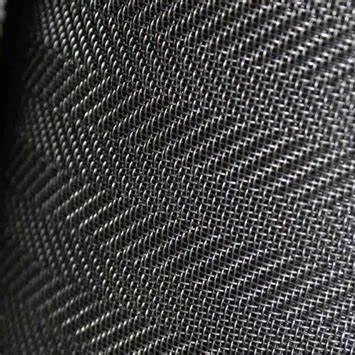
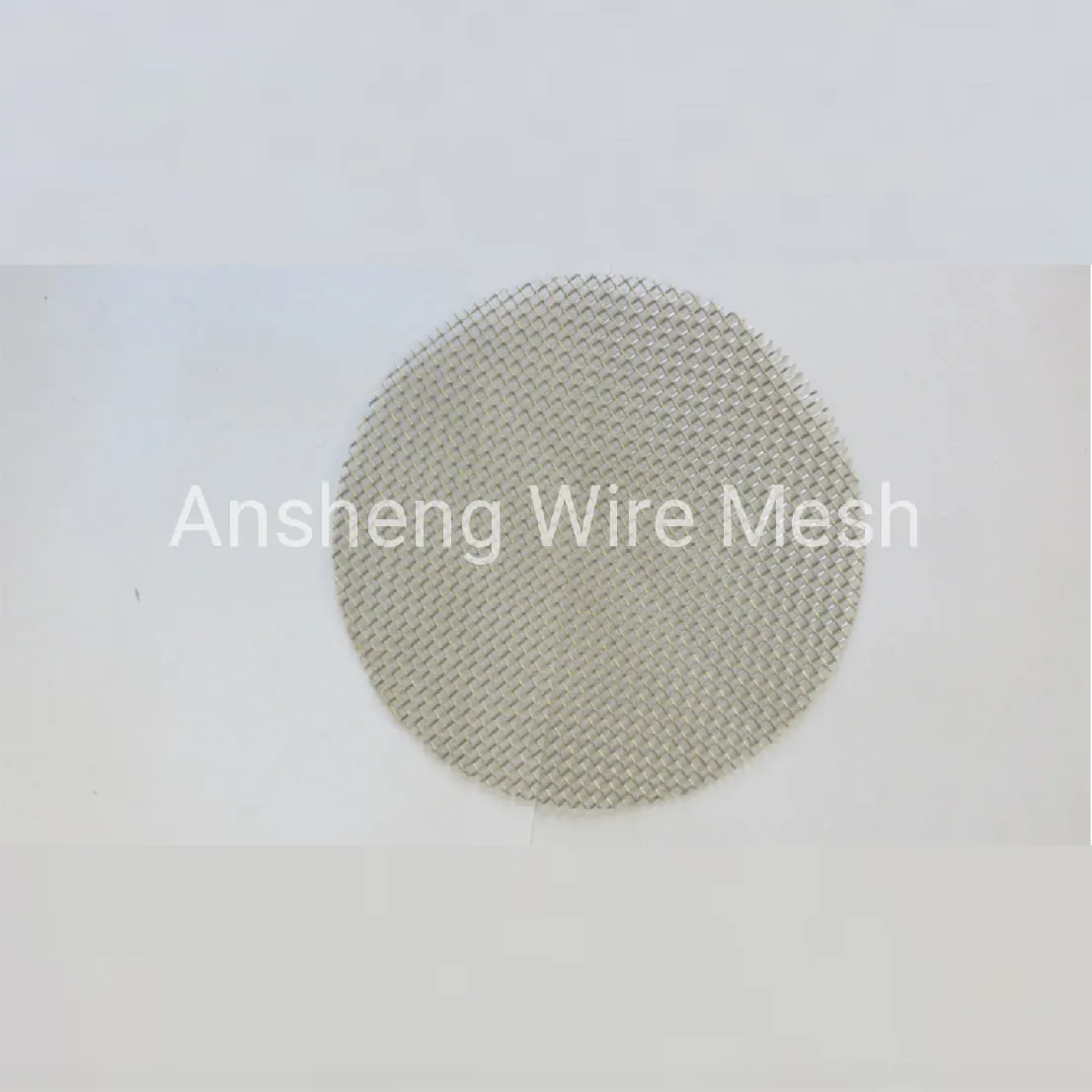
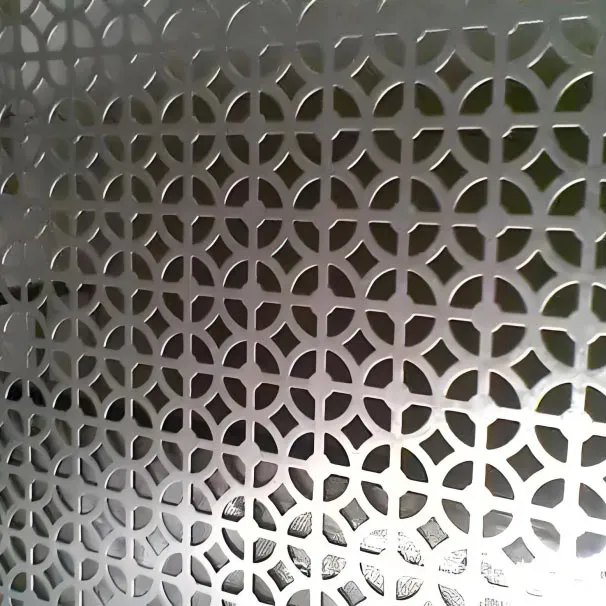
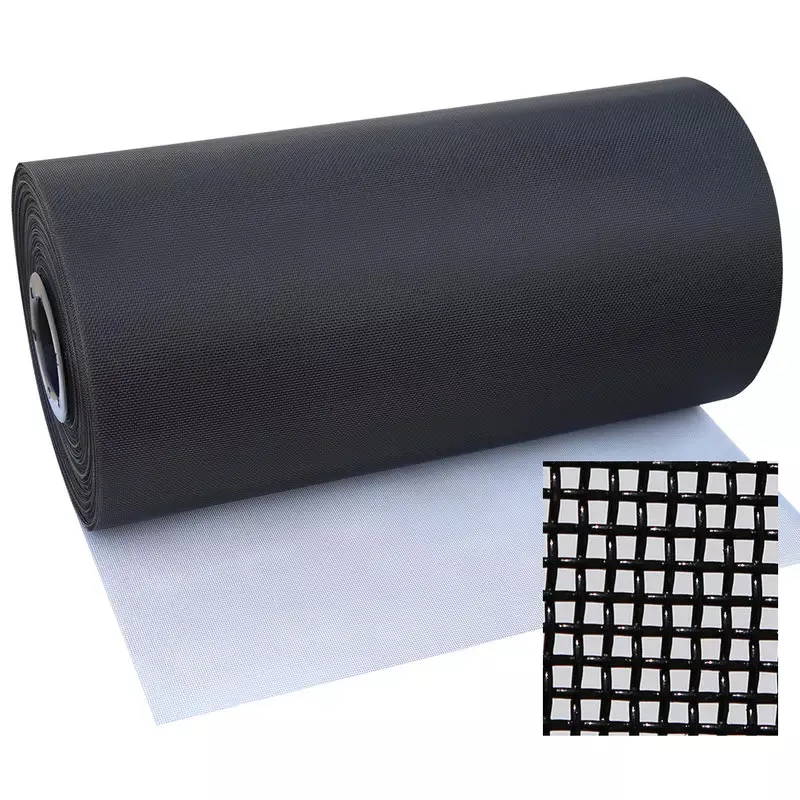
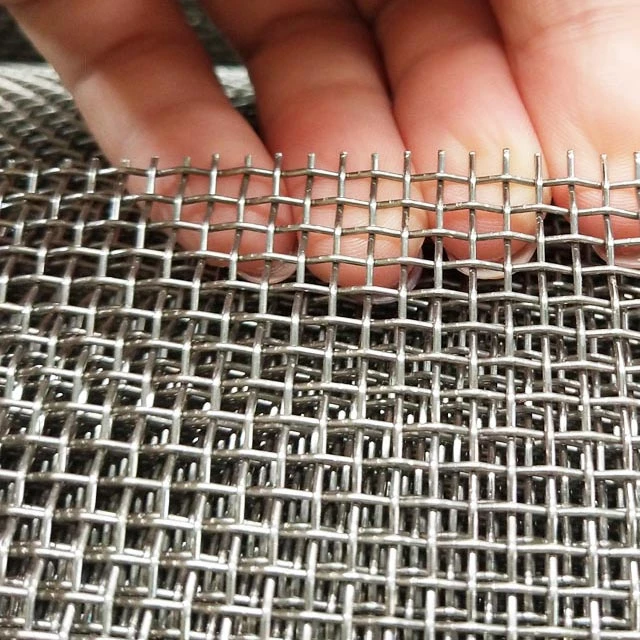
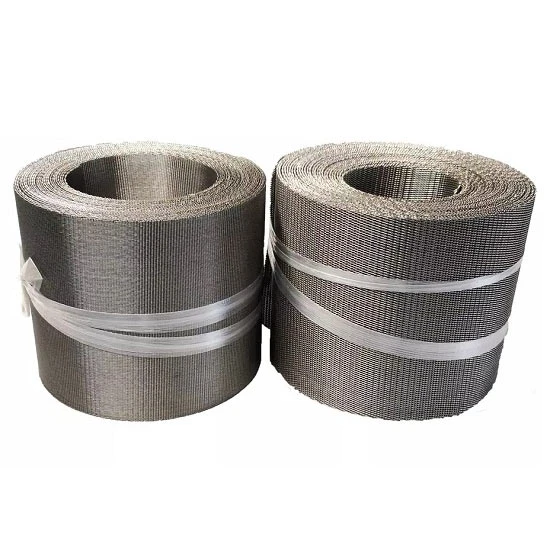
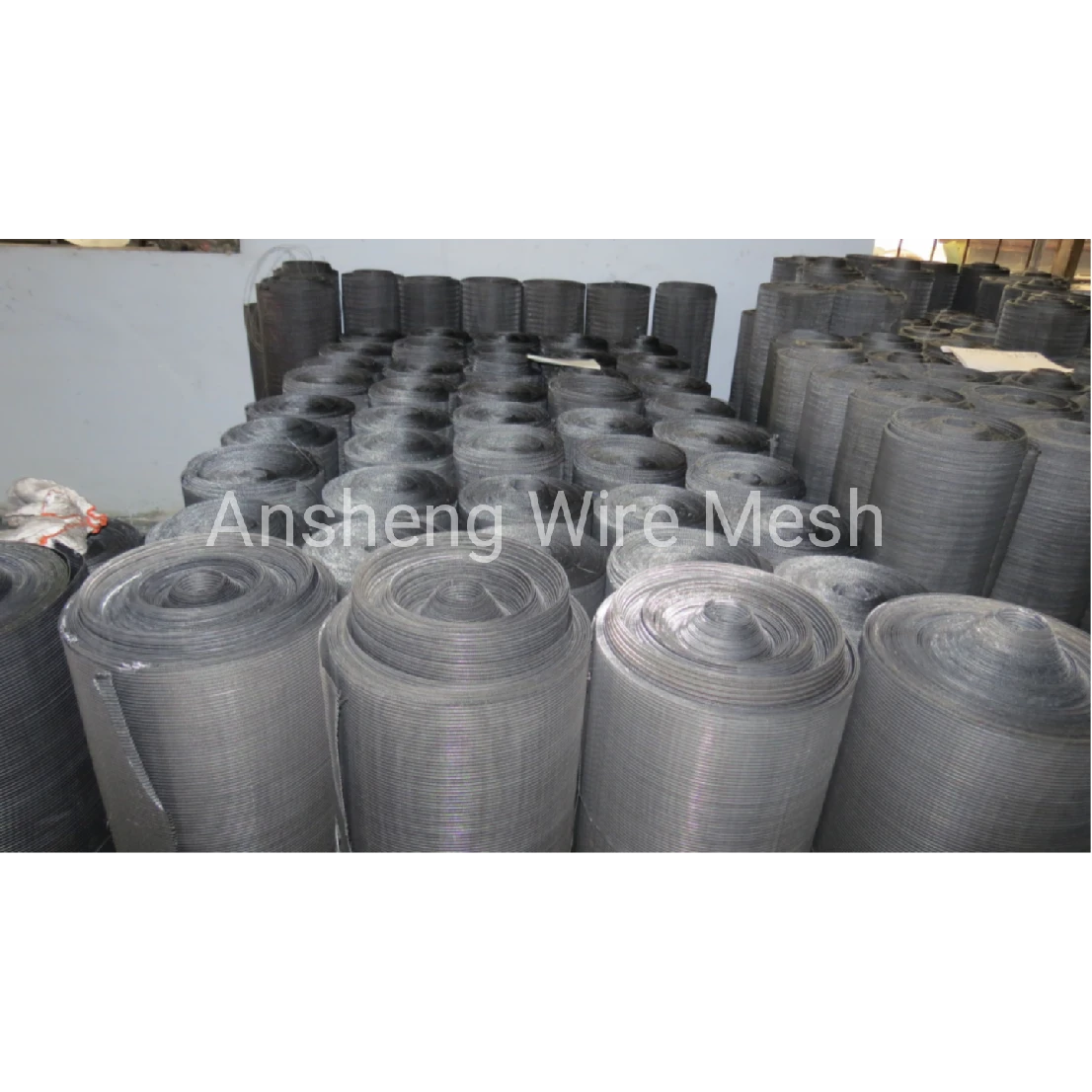
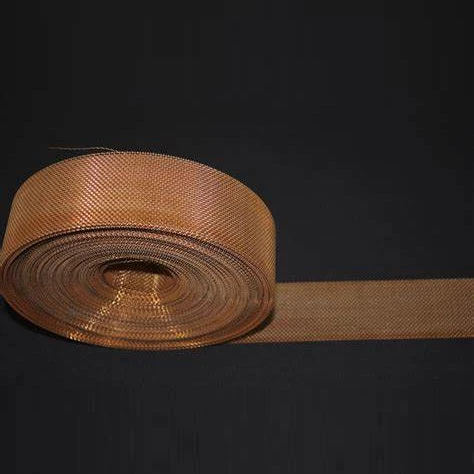
In simple terms, a stainless steel net sheet is a woven or welded mesh made from stainless steel wires. Think of it like a highly engineered, corrosion-resistant “fabric” with countless tiny holes built for strength and precision. Unlike plastic or mild steel alternatives, it promises longevity without rusting or deforming.

This is why it connects closely to modern industry demands and even humanitarian efforts. For instance, in filtration, these sheets remove microscopic contaminants while resisting chemical wear. In emergency relief, they provide sturdy, lightweight protection in shelters or sanitation facilities. They’re almost like the unsung heroes making complex problems easier to tackle in the real world.

Core Components that Make Them Tick

Durability

Stainless steel net sheets fend off corrosion, chemicals, and temperature extremes—an engineer's dream. This means installations can last decades with minimal upkeep.

Precision & Mesh Size

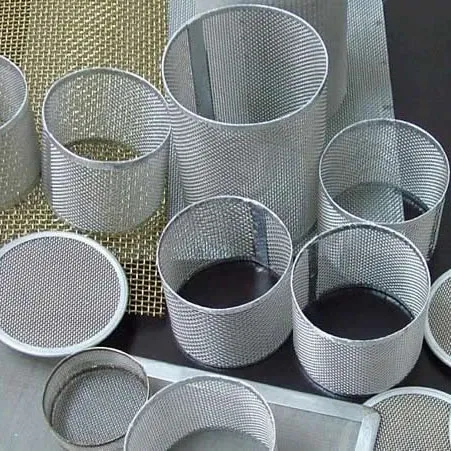
The fineness of the mesh matters hugely—some nets have micron-sized apertures perfect for filtration, while others are wide enough to provide structural screening. Tailoring mesh size is often what sets one use case apart from another.

Scalability & Customization

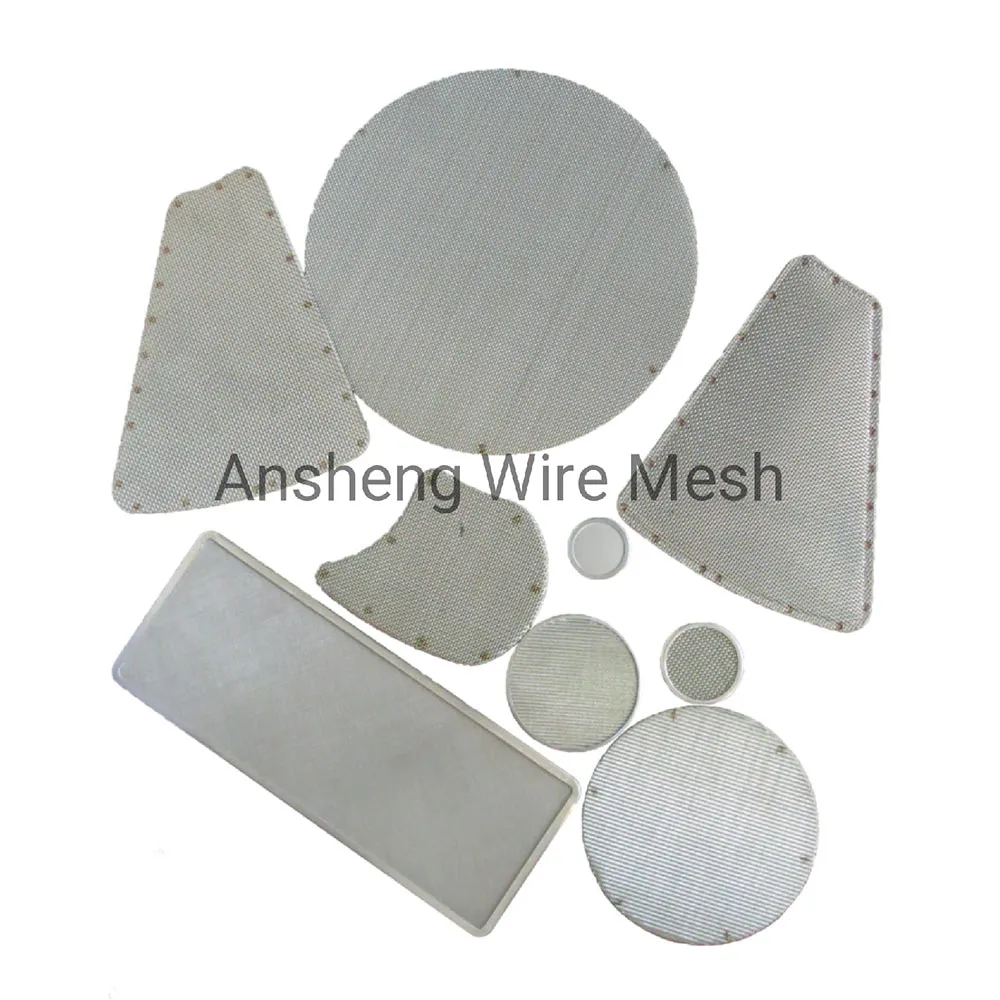
One size rarely fits all. Vendors offer custom sizes, wire thicknesses, and even material grades (304, 316) so clients can get exactly what they need.

Cost Efficiency

Initial costs might seem higher compared to cheap plastics, but longevity and reduced maintenance lower the lifetime expenses dramatically. It’s a classic case of paying more now to save later.

Environmental Resistance

They thrive in salty sea air, chemical plants, and outdoor structures alike, outlasting many conventional materials and reducing waste.

Mini takeaway: The magic lies in durability, flexible design, and environmental resistance, making stainless steel net sheets a smart investment.

Real-World Uses of Stainless Steel Net Sheets: Industry and Beyond

If you wander into industries like oil & gas, mining, food processing, or even architecture, you’ll find stainless steel net sheets playing quiet but crucial roles. For instance:

  • Water Treatment Facilities: These nets filter out sediments and particles, ensuring clean drinking water, which is especially vital in developing regions.
  • Construction & Architecture: Their corrosion resistance makes them perfect for façades, security screens, and ventilation grilles.
  • Food & Beverage Processing: Hygienic stainless steel nets meet strict sanitary standards while filtering and screening raw ingredients.
  • Disaster Relief & Humanitarian Aid: In emergency shelters, mesh panels provide ventilation without compromising safety, reducing disease risk.
  • Remote Industrial Zones: In harsh climates, they provide reliable screening to protect machinery and reduce downtime.

Regions like Southeast Asia and the Middle East are increasingly adopting these sheets due to rapid urbanization and industrialization. One interesting note: many NGOs also rely on these lightweight, durable solutions when setting up remote clinics or water purification units.

Specification Table: Typical Stainless Steel Net Sheet Parameters

Specification Value / Range
Material Grades304, 316, 316L Stainless Steel
Mesh Size20 mesh to 500 mesh (0.05 mm to 0.8 mm aperture)
Wire Diameter0.05 mm - 1.5 mm
WidthMax 2 meters (custom available)
FinishMill, polished, electro-polished
Tensile Strength500 - 700 MPa

What Sets Vendors Apart? A Brief Comparison

Vendor Product Range Customization Options Global Reach Certifications
Ansheng FilterWide mesh sizes, various steel gradesHigh; custom dimensions & finishesAsia, Europe, AmericasISO 9001, SGS
MetalMesh Co.Standard mesh sizes; some specialty alloysMedium; limited finishesNorth America, EuropeISO 14001
Global Networks Ltd.Narrow product line focused on heavy-duty meshesLow; standard products onlyAsia-PacificCE Marking

Why Opt for Stainless Steel Net Sheets? The Advantages and Long-Term Value

Here’s where things get interesting. The benefits span logically and emotionally:

  • Cost effectiveness: You pay upfront but minimize replacement or repair costs for years.
  • Sustainability: The material is recyclable, and products last longer, leading to less waste.
  • Reliability: Consistent performance under harsh conditions builds trust among users and clients.
  • Safety & Dignity: In humanitarian contexts, using durable, safe materials respects and protects vulnerable populations.
  • Innovation potential: Their adaptability supports cutting-edge filtration and industrial processes.

Looking Ahead: Trends and Innovations in Stainless Steel Mesh

New technologies are pushing stainless steel net sheets beyond traditional limits. Think:

  • Smart coatings that resist biofouling or chemical buildup.
  • Lighter composites blending stainless steel with new materials for easier transport and handling.
  • Automation in manufacturing, delivering swift customization and less waste.
  • Green energy niche: anticipate stainless steel meshes supporting battery tech or solar filtration systems.

Oddly enough, digital design tools now allow real-time visualization of mesh performance under specific conditions, speeding up testing phases.

Challenges and How to Overcome Them

No product is perfect. Stainless steel net sheets face hurdles like:

  • Initial cost barrier — addressing this requires educating clients on lifecycle savings.
  • Weight limitations in massive structures — hybrid designs could help.
  • Supply chain bottlenecks especially for custom sizes – leading vendors are investing in flexible manufacturing.

Many engineers suggest partnering with trusted vendors who offer extensive support and after-sales services to ease transitions.

FAQs About Stainless Steel Net Sheets

What are the benefits of stainless steel net sheets over plastic meshes?
Stainless steel nets offer superior durability, corrosion resistance, and temperature tolerance. While plastic meshes can degrade quickly under UV exposure and wear, stainless steel lasts decades with minimal maintenance, making it better for critical applications.
Can stainless steel net sheets be customized for specific industries?
Absolutely. Vendors like Ansheng Filter Screen provide wide customization options—including mesh size, wire diameter, and material grade—to suit filtration, architecture, or industrial needs.
How do stainless steel net sheets contribute to sustainability?
They reduce replacement frequency due to their longevity, are fully recyclable, and often improve energy efficiency in filtration or ventilation systems thanks to their precise porosity.
Are stainless steel net sheets suitable for harsh outdoor environments?
Yes, their corrosion resistance and hold against UV, salt spray, and chemicals make them ideal for coastal, industrial, or desert climates where other materials fail.

Wrapping It Up: Durable Value You Can Trust

Stainless steel net sheets might seem like a simple product, but their ripple effects across industries and humanitarian projects are profound. They offer unmatched durability, customization, and long-term economic and environmental benefits. Whether it’s screening impurities in water plants or providing breathable shelter in disaster zones, they prove time and again their worth.

Interested in exploring how these robust sheets can make a difference in your next project or operation? Visit our website to learn more about choosing the right stainless steel net sheet tailored to your needs.

References:
1. International Organization for Standardization (ISO) – Market Trends Report, 2023
2. United Nations Environment Programme (UNEP) – Sustainable Materials Report, 2022
3. World Bank – Global Infrastructure Development Data, 2023


Post time: Nov . 19, 2025 11:30
Related News
  • Discover precision engineering and durable solutions with Wire Mesh Discs from Anping County Ansheng. Combining cost-effective customization with advanced CNC machining, our discs ensure industrial excellence. Explore now: https://www.anshengfilterscreen.com/single-layer.html

  • Plain weave is one of the most basic and fundamental fabric weaves. Its simplicity doesn’t equate to limited use; on the contrary, it's incredibly versatile and found in countless applications. This article will explore the characteristics of plain weave, its advantages, and, most importantly, what is plain weave used for across various industries. Understanding this weave is crucial for anyone involved in textiles, filtration, or composite materials. It's a cornerstone of many modern manufacturing processes. The plain weave is characterized by its simple over-under pattern. Each weft yarn (horizontal) alternates crossing over and under each warp yarn (vertical). This creates a distinct checkerboard-like appearance. This seemingly simple structure gives the fabric excellent stability and a balanced texture. The density of the weave – the number of warp and weft yarns per inch – directly affects the fabric’s properties, such as its strength, permeability, and drape. It’s a remarkably efficient weave, making it cost-effective for large-scale production. The versatility of plain weave makes it a go-to choice in numerous industries. Here's a breakdown of some key applications: Apparel Fabrics: Cotton, linen, and polyester plain weaves are used extensively in clothing – think shirts, blouses, bedsheets, and linings. Filtration: Plain weave fabrics are a fundamental component of many filter screens, used for separating solids from liquids or gases.

  • Dutch wire mesh, renowned for its precision and versatility, is a crucial material across various industries, from filtration and screening to architectural applications. This article delves into the specifics of Dutch wire mesh, its properties, applications, and why Ansheng Filter Screen is a leading provider of high-quality Dutch wire mesh solutions. Whether you are in need of precise filtration, robust screening, or specialized weaving, understanding the nuances of this material is key to making informed decisions. Let's explore the world of Dutch wire mesh and uncover its many benefits. Dutch wire mesh isn’t a specific weave style but rather a term signifying a precise method of weaving wire, primarily focusing on achieving extremely consistent aperture sizes. It’s characterized by its tightly controlled weave and uniform openings, making it ideal for applications where precise filtration or screening is critical. Typically made from stainless steel (304, 316L, and others), the mesh is known for its durability, corrosion resistance, and ability to withstand high temperatures. The process involves weaving wires in both warp and weft directions, creating a stable and dimensionally accurate fabric.

  • Dutch weave is a versatile type of woven wire mesh known for its unique structure and diverse applications. It's characterized by alternating plain and twill weaves, resulting in a fabric with excellent strength, flexibility, and permeability. This makes it ideal for a range of uses in industries like filtration, screening, and reinforcement. Ansheng Filter Screen specializes in high-quality dutch weave mesh, catering to diverse industrial needs. Understanding the properties and applications of dutch weave is key to maximizing its benefits in various sectors. Dutch weave isn’t a single weave pattern but a combination. It’s created by alternately weaving plain and twill patterns. The twill weave creates a diagonal rib pattern which impacts the mesh’s properties. This unique construction results in a mesh that is more open in one direction than the other, providing excellent flow characteristics. This makes it superior for applications needing high permeability while maintaining good structural integrity.

  • Protecting crops, buildings, and infrastructure from bird damage is a significant concern for many industries. Galvanised bird mesh provides a robust and effective solution. This article will explore the benefits, applications, and key considerations when choosing galvanised bird mesh, offering a detailed overview for those seeking reliable bird control. From agricultural protection to industrial applications, we will cover everything you need to know about this versatile product. Galvanised bird mesh is a woven wire netting coated with a layer of zinc. This galvanisation process provides excellent corrosion resistance, making it suitable for outdoor applications and harsh environments. The mesh is typically made from steel wire, offering strength and durability. Different mesh sizes are available to cater to various bird species and protection needs.

  • When selecting materials for industrial filtration, construction, or agricultural applications, galvanized steel mesh screen stands out as a durable and cost-effective solution. This article will provide a detailed overview of galvanized steel mesh screen, covering its properties, applications, benefits, and important considerations when making a purchase. Understanding its characteristics can help you determine if it’s the ideal material for your specific needs. We will delve into the nuances of this versatile material and how Ansheng Filter Screen provides quality products. Galvanized steel mesh screen is a woven wire mesh manufactured from steel that has been coated with a layer of zinc. This zinc coating acts as a protective barrier against corrosion and rust, significantly extending the lifespan of the steel. The galvanization process can be hot-dip galvanizing or electro-galvanizing, each offering different levels of protection and cost. The mesh is typically available in various weave patterns, such as plain weave, twill weave, and dutch weave, each suited for different filtration and screening needs.

  • Galvanized netting is a versatile and cost-effective solution for a wide range of applications, from agricultural fencing to industrial safety barriers. Its durability and resistance to corrosion make it a popular choice across numerous industries. This article will delve into the properties of galvanized netting, exploring its benefits, common uses, different types available, and how to select the best netting for your specific needs. Understanding the nuances of galvanized netting will ensure you make an informed decision and maximize its lifespan and effectiveness. Galvanized netting is woven from steel wire that has been coated with a layer of zinc through a process called galvanization. This zinc coating acts as a barrier against corrosion, protecting the steel from rust and environmental damage. There are two primary galvanization methods: hot-dip galvanizing and electro-galvanizing. Hot-dip galvanizing involves immersing the steel wire in a bath of molten zinc, creating a thick and durable coating. Electro-galvanizing uses an electric current to deposit a thinner layer of zinc onto the wire.

  • Dutch weave mesh is a versatile and durable material used in a wide range of industrial and filtration applications. Known for its unique weaving pattern, it provides excellent strength and permeability. This article will explore the characteristics, applications, benefits, and considerations when choosing Dutch weave mesh, providing a thorough understanding for professionals and buyers. Understanding its properties is vital to selecting the right mesh for your needs. Dutch weave mesh is created by weaving two sets of wires – one heavier warp wire and one finer shute wire – in a specific pattern. This construction results in a mesh with larger openings in one direction and smaller openings in the other. The heavier warp wires provide strength and dimensional stability, while the finer shute wires create a greater open area for improved flow rates. This unique structure differentiates it from plain weave or twill weave meshes, making it ideal for applications requiring both filtration and structural integrity.

WE PROVIDE HIGH QUALITYEQUIPMENT
Recommend Products
  • Stainless Steel Plain Weave Wire Mesh

    Stainless steel plain weave wire mesh, also known as Stainless steel wire cloth, stainless steel screen, stainless steel gauze. Materials: Stainless steel 201, 304, 316, 316L, etc. Plain weave scope of Mesh : 1mesh-635mesh Plain weave scope of wire diameter: 1mm-0.001mm Plain weave scope of width: usually 0.915m-2meters, and special specifications can be customized according to customer requirements. Plain weave scope of length: generally 30 meters. Stainless steel wire mesh weave type: plain weave, twill weave, herringbone weave, dutch weave, reserve dutch weave

  • Stainless Steel Reverse Dutch Weave Wire Mesh

    Stainless steel reserve dutch weave wire mesh, also known as Stainless steel wire cloth, stainless steel screen, stainless steel gauze. Materials: Stainless steel 201, 304, 316, 316L, etc. Reserve dutch weave scope of Mesh : 72x15mesh-260x40mesh Reserve dutch weave scope of wire diameter: 0.55mm-0.15mm Reserve dutch weave scope of width: usually 60mm-300mm, and special specifications can be customized according to customer requirements. Reserve dutch weave scope of length: generally 10 meters, 20 meters, 30meters. Stainless steel wire mesh weave type: plain weave, twill weave, herringbone weave, dutch weave, reserve dutch weave

  • Iron Dutch Weave Wire Mesh

    Low-carbon steel dutch weave wire mesh, also known as iron wire filter mesh, black wire cloth. Materials: Low-carbon steel Scope of Mesh : 7x55mesh-40x200mesh Scope of wire diameter: 0.14mm-0.75mm Scope of width: usually 0.915m-1.3meters, and special specifications can be customized according to customer requirements. Scope of length: generally 30 meters. Weave: plain weave, herringbone weave, dutch weave

  • Phosphor Copper Wire Mesh

    Phosphor copper wire mesh, also known as copper wire mesh. Materials: QSn6.5-0.1,QSn6.5-0.4 Property: Non-magnetic, wear resistant, good ductility Scope of Mesh : 2-300mesh Scope of wire diameter: 0.08mm-0.8mm Scope of width: usually 1m-1.5meters, and special specifications can be customized according to customer requirements. Scope of length: generally 30 meters. Weave: plain weave, twill weave

tel email tel top

If you are interested in our products, you can choose to leave your information here, and we will be in touch with you shortly.