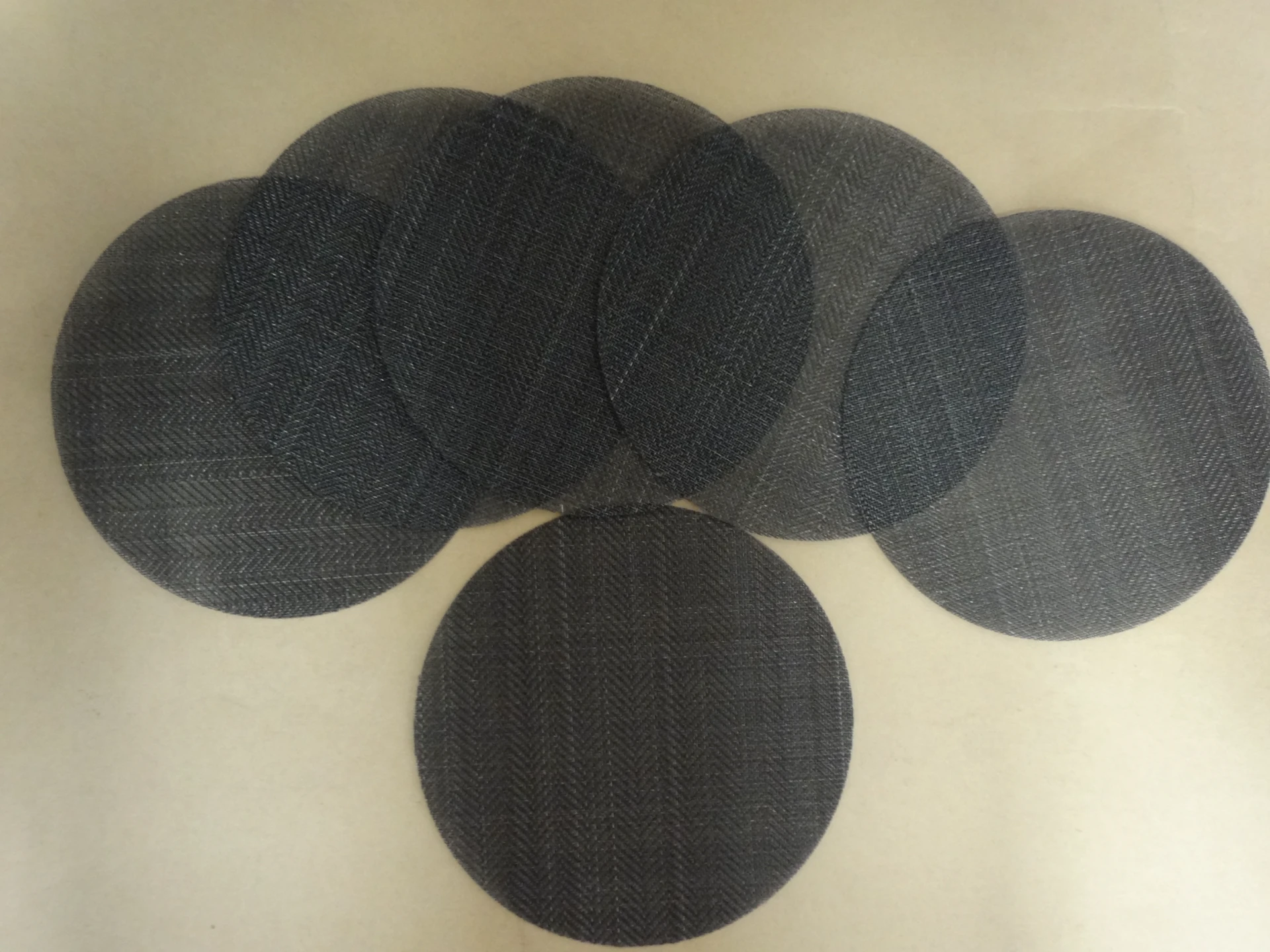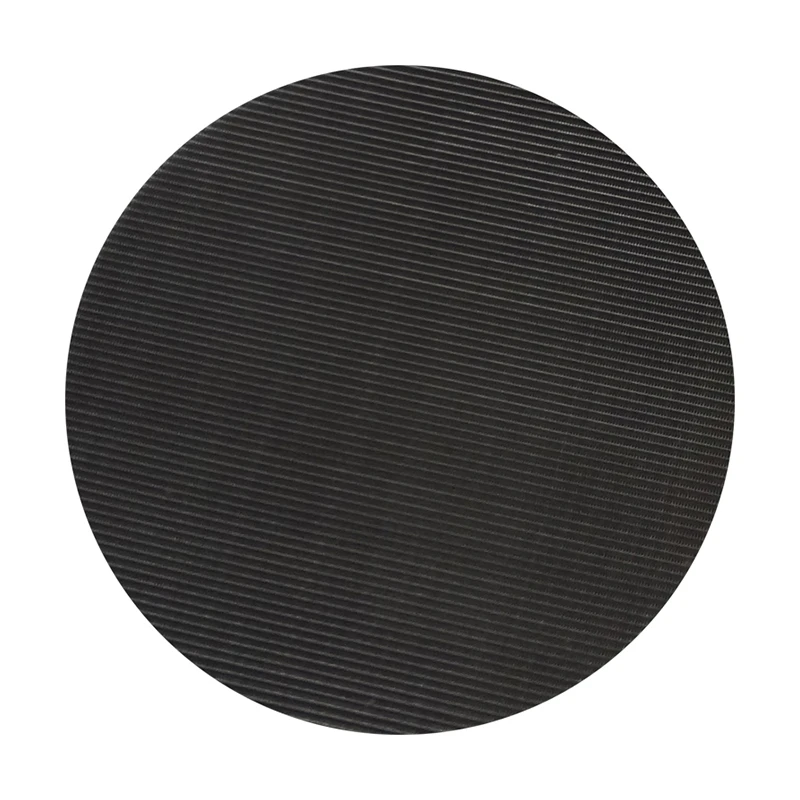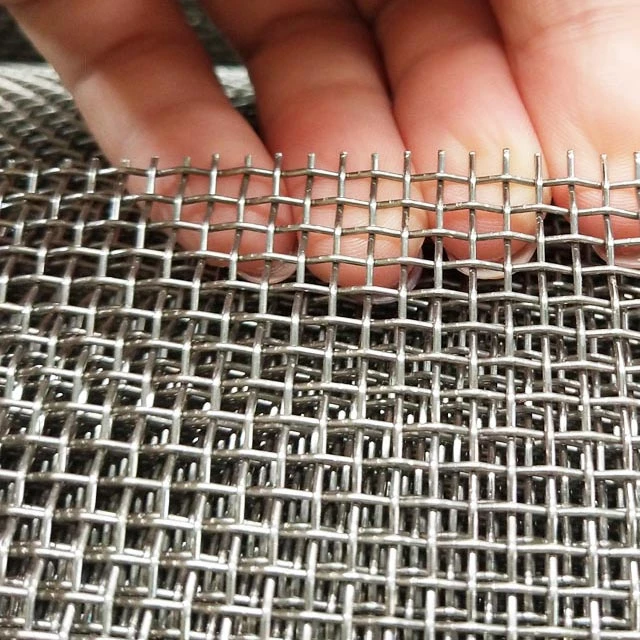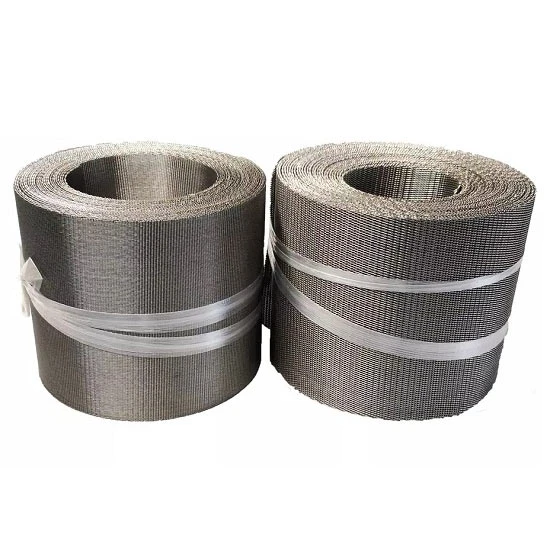

High-Efficiency Pleated Filter Element | Durable & Long-Lasting

Presented by Anping County Ansheng Wire Meshes Product Co., Ltd.

Phone: +86-0318-7978378 | Mobile: +8615131832545
Address: No.346 Xinying East Street, Anping County, Hebei. China

Revolutionizing Industrial Filtration with Pleated Filter Elements

In the complex field of industrial filtration, the stainless-steel wire mesh Pleated Filter Element is reshaping the standards of filtration efficiency with its unparalleled advantages. As a star product in the family of metal filter elements, it skillfully combines innovative design and advanced craftsmanship, providing precise and efficient filtration solutions for numerous industries. Anping County Ansheng Wire Meshes Product Co., Ltd. has been at the forefront of designing and manufacturing these critical components for over two decades.

Product Highlight: The Pleated Filter Element from Ansheng Filters features a high-density stainless steel mesh construction with precision pleating that maximizes surface area without increasing footprint. These elements deliver superior filtration performance with micron ratings from 1 to 200 microns, capable of withstanding pressures up to 150 psi and temperatures up to 500°C (932°F).

Industry adoption of pleated filter elements has grown significantly over the past decade, with the global market expanding at a CAGR of 6.7% from 2020 to 2027 according to the International Filtration News. This growth is driven by increasing regulatory standards and the need for more efficient filtration systems in critical applications ranging from pharmaceuticals to oil & gas.

Technical Specifications of Pleated Filter Elements

Parameter Standard Value Premium Grade Applications
Filter Material SS304/316 SS316L All applications
Filtration Rating 5-200 microns 1-100 microns Fine filtration
Max Temperature 400°C (752°F) 550°C (1022°F) High temp processes
Max Pressure 100 psi (6.9 bar) 150 psi (10.3 bar) High pressure systems
Element Diameter 2-10 inches (50-250mm) Custom sizes Industrial systems
Pleat Depth 10-30 mm 5-40 mm Space optimization
End Caps Stainless steel Triple sealed Critical sealing
Dirt Holding Capacity 25g/m² 40g/m² Extended service life

Performance Metrics Comparison

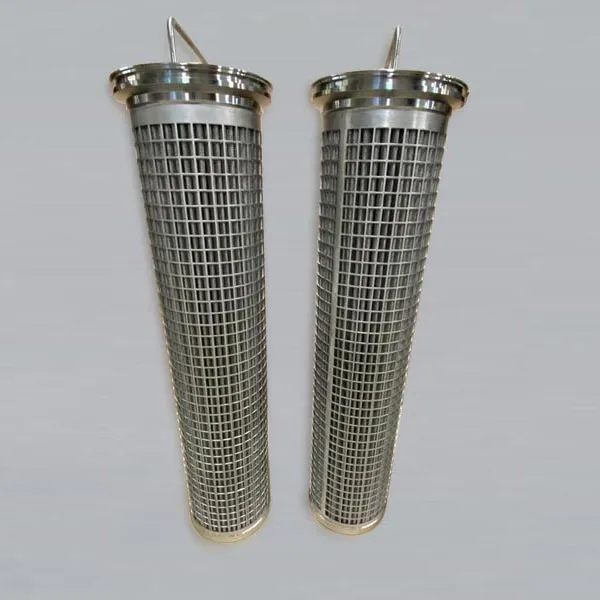
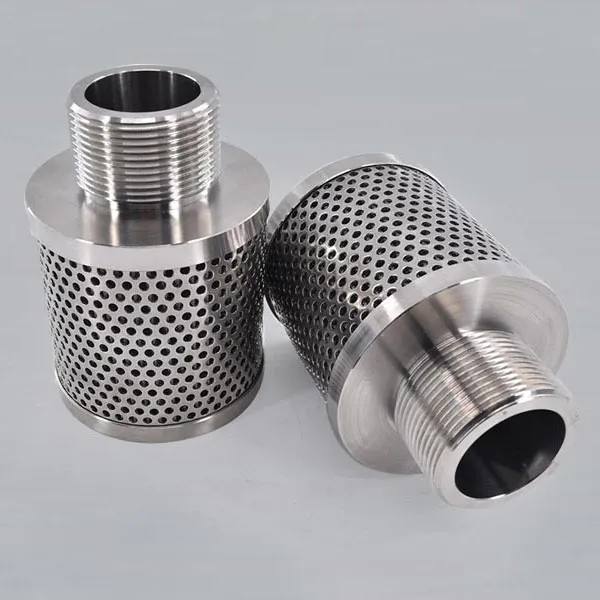
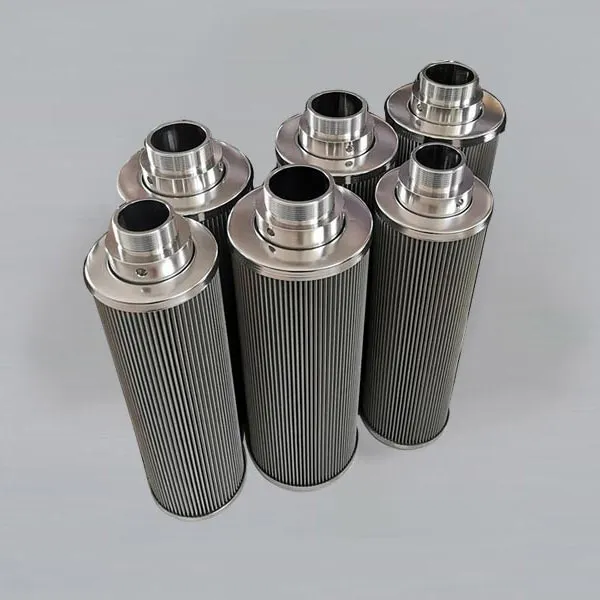
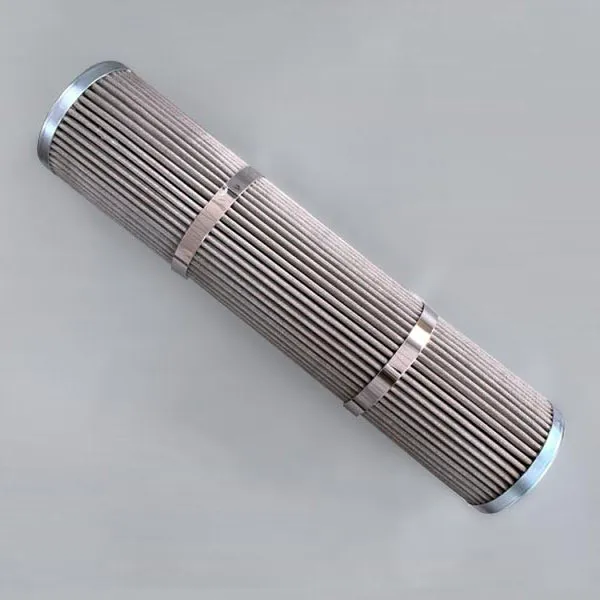
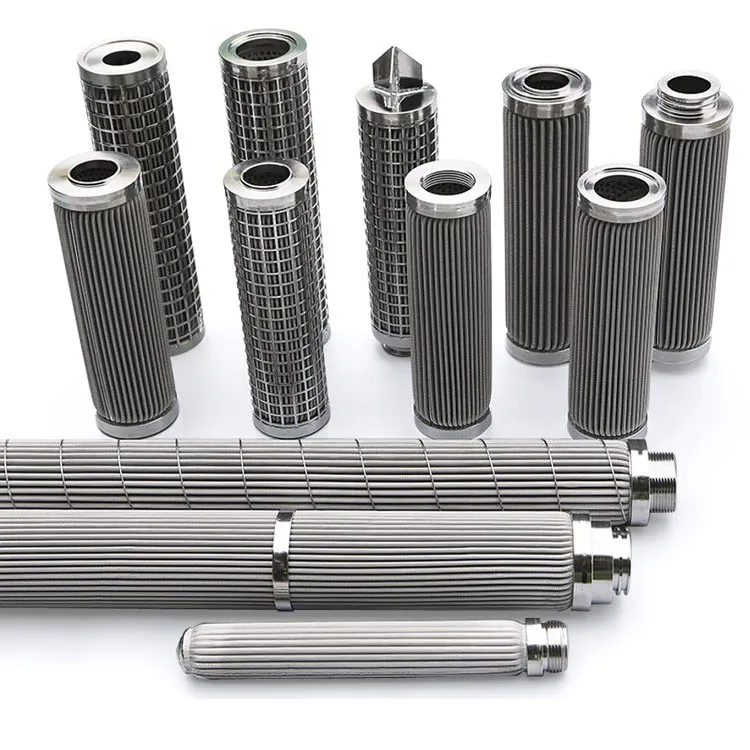
Pleated Filter Element Designs
Industrial Applications of Pleated Filter Elements

Pharmaceutical Manufacturing

In sterile processes, pleated filter elements ensure compliance with GMP standards while handling high-flow rates required for critical operations like vaccine production.

Oil & Gas Processing

Designed to withstand extreme conditions, our stainless steel pleated filters remove particulates from crude oil and natural gas streams while resisting corrosion from H2S content.

Food & Beverage Processing

Certified for direct food contact, Ansheng Pleated Filter Elements meet 3-A Sanitary Standards for applications ranging from beer filtration to edible oil refining.

Chemical Processing

Resistant to corrosive chemicals, these filtration elements provide reliable protection for catalyst beds and critical process equipment in petrochemical plants.

Water Treatment

Municipal and industrial water systems utilize pleated filter cartridges for pretreatment applications, effectively removing sediments and particulates from raw water sources.

HVAC Systems

High-efficiency pleated filters with antimicrobial coatings reduce airborne particulates in commercial and healthcare facilities while maintaining optimal airflow rates.

Technical Questions & Answers

What are the primary material options for pleated filter elements?

At Ansheng Filters, we primarily utilize grade 304, 316, and 316L stainless steel woven wire mesh for Pleated Filter Elements. Selection depends on application requirements: 304 offers excellent corrosion resistance for most applications, while 316L provides superior chloride resistance crucial for marine and chemical processing environments. Specialty alloys like Inconel and Hastelloy are available for extreme temperature and corrosion scenarios.

How do pleat depth and density affect filter performance?

Pleat configuration directly impacts flow dynamics and particle retention efficiency. Optimal pleat depth ranges from 12-30mm, providing 10-15 times more filtration surface area compared to flat-screen designs of equivalent dimensions. Our advanced R&D department has established the Goldilocks Zone™ pleat configuration with a density of 40-60 pleats per inch for maximum efficiency-to-resistance ratio. This design achieves uniform flow distribution to each pleat valley, preventing premature clogging while maintaining high flow rates.

What standards govern pleated filter element manufacturing?

Pleated filter elements must comply with multiple international standards depending on application. At Ansheng Filters, our manufacturing processes are certified to ISO 9001:2015 and our products meet ASME BPE (Bioprocessing Equipment), EN 1822 (HEPA classification), and 3-A Sanitary Standards for food-grade applications. For critical process industries, we comply with the API RP 14E design guidelines for offshore filtration systems.

How do differential pressure and flow rates impact pleated filter performance?

The maximum recommended initial differential pressure (ΔP) for stainless steel pleated filters is 1-2 psid per 10-inch element, increasing to 5-7 psid at terminal pressure. Flow rates typically range from 50 to 300 GPM (gallons per minute) depending on element diameter and filtration rating. Our laboratory testing shows a logarithmic relationship where flow reduction follows a predictable curve as contaminant loading increases. This predictable performance enables accurate system design and maintenance scheduling.

What methods validate micron ratings for pleated filter elements?

Micron rating validation requires multipoint testing according to ISO 16889 standards. At our facility, each production batch undergoes bubble-point and multi-pass tests on certified equipment. Advanced verification includes particle counting via laser diffraction spectrometry and scanning electron microscopy for critical applications. For instance, our N5 certified elements (5-micron rating) are tested with Arizona test dust particles at both ingress and egress ports to verify retention efficiency exceeding 99.99% at rated micron level.

What are the proper cleaning procedures for pleated filter elements?

Stainless steel pleated filters are designed for multiple cleaning cycles using methods appropriate to contaminant type. Standard cleaning protocols include: 1) Ultrasonic bath cleaning for organic residues using alkaline solutions below pH 11, 2) Back-pulsing with air or nitrogen at pressures below 90% of design rating, and 3) Soak cleaning using specialized solvents for oil-based contaminants. All cleaning methods should maintain fluid temperatures below 80°C to preserve membrane integrity. Ansheng provides application-specific cleaning protocols for each element we manufacture.

How do installation methods impact filter effectiveness?

Proper installation is critical for Pleated Filter Elements performance. ANSI B93.19 standards specify installation torque limits for sealing surfaces. Over-compression can deform pleats and cause bypass while insufficient compression risks flow channeling around seals. Direction of flow must align with element labeling as reverse flow can damage pleat structure. For pressurized systems above 100 psi, we recommend our DualSeal™ technology which uses tandem sealing surfaces to prevent bypass even under pressure cycling conditions.

Industry Research & Technical References

"Advanced pleated filter designs increased effective filtration area by 300-500% while maintaining the same equipment footprint, reducing capital costs for pharmaceutical manufacturers." - Journal of Membrane Science, Vol. 634

Source: https://www.sciencedirect.com/journal/journal-of-membrane-science

"Metal pleated filter elements demonstrated superior lifetime performance in abrasion resistance tests conducted in oil sands extraction operations, outperforming polymeric alternatives by a factor of 5-7." - Filtration & Separation Technology Quarterly

Source: https://www.filtsep.com

"In semiconductor manufacturing processes where particle contamination at sub-micron levels causes significant yield loss, graded stainless steel pleated filter systems achieved Class 1 cleanliness requirements in ISO 14644 standards." - Semiconductor International

Source: https://www.semiconductor-today.com

"Stainless steel pleated filter elements provide a sustainable filtration solution with lifetime costs 30-40% lower than traditional filtration media when calculated over a 10-year equipment lifecycle." - Sustainable Engineering Forum Research

Source: https://www.aiche.org


Post time: Jul . 25, 2025 14:01
Related News
  • Discover precision engineering and durable solutions with Wire Mesh Discs from Anping County Ansheng. Combining cost-effective customization with advanced CNC machining, our discs ensure industrial excellence. Explore now: https://www.anshengfilterscreen.com/single-layer.html

  • Plain weave is one of the most basic and fundamental fabric weaves. Its simplicity doesn’t equate to limited use; on the contrary, it's incredibly versatile and found in countless applications. This article will explore the characteristics of plain weave, its advantages, and, most importantly, what is plain weave used for across various industries. Understanding this weave is crucial for anyone involved in textiles, filtration, or composite materials. It's a cornerstone of many modern manufacturing processes. The plain weave is characterized by its simple over-under pattern. Each weft yarn (horizontal) alternates crossing over and under each warp yarn (vertical). This creates a distinct checkerboard-like appearance. This seemingly simple structure gives the fabric excellent stability and a balanced texture. The density of the weave – the number of warp and weft yarns per inch – directly affects the fabric’s properties, such as its strength, permeability, and drape. It’s a remarkably efficient weave, making it cost-effective for large-scale production. The versatility of plain weave makes it a go-to choice in numerous industries. Here's a breakdown of some key applications: Apparel Fabrics: Cotton, linen, and polyester plain weaves are used extensively in clothing – think shirts, blouses, bedsheets, and linings. Filtration: Plain weave fabrics are a fundamental component of many filter screens, used for separating solids from liquids or gases.

  • Dutch wire mesh, renowned for its precision and versatility, is a crucial material across various industries, from filtration and screening to architectural applications. This article delves into the specifics of Dutch wire mesh, its properties, applications, and why Ansheng Filter Screen is a leading provider of high-quality Dutch wire mesh solutions. Whether you are in need of precise filtration, robust screening, or specialized weaving, understanding the nuances of this material is key to making informed decisions. Let's explore the world of Dutch wire mesh and uncover its many benefits. Dutch wire mesh isn’t a specific weave style but rather a term signifying a precise method of weaving wire, primarily focusing on achieving extremely consistent aperture sizes. It’s characterized by its tightly controlled weave and uniform openings, making it ideal for applications where precise filtration or screening is critical. Typically made from stainless steel (304, 316L, and others), the mesh is known for its durability, corrosion resistance, and ability to withstand high temperatures. The process involves weaving wires in both warp and weft directions, creating a stable and dimensionally accurate fabric.

  • Dutch weave is a versatile type of woven wire mesh known for its unique structure and diverse applications. It's characterized by alternating plain and twill weaves, resulting in a fabric with excellent strength, flexibility, and permeability. This makes it ideal for a range of uses in industries like filtration, screening, and reinforcement. Ansheng Filter Screen specializes in high-quality dutch weave mesh, catering to diverse industrial needs. Understanding the properties and applications of dutch weave is key to maximizing its benefits in various sectors. Dutch weave isn’t a single weave pattern but a combination. It’s created by alternately weaving plain and twill patterns. The twill weave creates a diagonal rib pattern which impacts the mesh’s properties. This unique construction results in a mesh that is more open in one direction than the other, providing excellent flow characteristics. This makes it superior for applications needing high permeability while maintaining good structural integrity.

  • Protecting crops, buildings, and infrastructure from bird damage is a significant concern for many industries. Galvanised bird mesh provides a robust and effective solution. This article will explore the benefits, applications, and key considerations when choosing galvanised bird mesh, offering a detailed overview for those seeking reliable bird control. From agricultural protection to industrial applications, we will cover everything you need to know about this versatile product. Galvanised bird mesh is a woven wire netting coated with a layer of zinc. This galvanisation process provides excellent corrosion resistance, making it suitable for outdoor applications and harsh environments. The mesh is typically made from steel wire, offering strength and durability. Different mesh sizes are available to cater to various bird species and protection needs.

  • When selecting materials for industrial filtration, construction, or agricultural applications, galvanized steel mesh screen stands out as a durable and cost-effective solution. This article will provide a detailed overview of galvanized steel mesh screen, covering its properties, applications, benefits, and important considerations when making a purchase. Understanding its characteristics can help you determine if it’s the ideal material for your specific needs. We will delve into the nuances of this versatile material and how Ansheng Filter Screen provides quality products. Galvanized steel mesh screen is a woven wire mesh manufactured from steel that has been coated with a layer of zinc. This zinc coating acts as a protective barrier against corrosion and rust, significantly extending the lifespan of the steel. The galvanization process can be hot-dip galvanizing or electro-galvanizing, each offering different levels of protection and cost. The mesh is typically available in various weave patterns, such as plain weave, twill weave, and dutch weave, each suited for different filtration and screening needs.

  • Galvanized netting is a versatile and cost-effective solution for a wide range of applications, from agricultural fencing to industrial safety barriers. Its durability and resistance to corrosion make it a popular choice across numerous industries. This article will delve into the properties of galvanized netting, exploring its benefits, common uses, different types available, and how to select the best netting for your specific needs. Understanding the nuances of galvanized netting will ensure you make an informed decision and maximize its lifespan and effectiveness. Galvanized netting is woven from steel wire that has been coated with a layer of zinc through a process called galvanization. This zinc coating acts as a barrier against corrosion, protecting the steel from rust and environmental damage. There are two primary galvanization methods: hot-dip galvanizing and electro-galvanizing. Hot-dip galvanizing involves immersing the steel wire in a bath of molten zinc, creating a thick and durable coating. Electro-galvanizing uses an electric current to deposit a thinner layer of zinc onto the wire.

  • Dutch weave mesh is a versatile and durable material used in a wide range of industrial and filtration applications. Known for its unique weaving pattern, it provides excellent strength and permeability. This article will explore the characteristics, applications, benefits, and considerations when choosing Dutch weave mesh, providing a thorough understanding for professionals and buyers. Understanding its properties is vital to selecting the right mesh for your needs. Dutch weave mesh is created by weaving two sets of wires – one heavier warp wire and one finer shute wire – in a specific pattern. This construction results in a mesh with larger openings in one direction and smaller openings in the other. The heavier warp wires provide strength and dimensional stability, while the finer shute wires create a greater open area for improved flow rates. This unique structure differentiates it from plain weave or twill weave meshes, making it ideal for applications requiring both filtration and structural integrity.

WE PROVIDE HIGH QUALITYEQUIPMENT
Recommend Products
  • Stainless Steel Plain Weave Wire Mesh

    Stainless steel plain weave wire mesh, also known as Stainless steel wire cloth, stainless steel screen, stainless steel gauze. Materials: Stainless steel 201, 304, 316, 316L, etc. Plain weave scope of Mesh : 1mesh-635mesh Plain weave scope of wire diameter: 1mm-0.001mm Plain weave scope of width: usually 0.915m-2meters, and special specifications can be customized according to customer requirements. Plain weave scope of length: generally 30 meters. Stainless steel wire mesh weave type: plain weave, twill weave, herringbone weave, dutch weave, reserve dutch weave

  • Stainless Steel Reverse Dutch Weave Wire Mesh

    Stainless steel reserve dutch weave wire mesh, also known as Stainless steel wire cloth, stainless steel screen, stainless steel gauze. Materials: Stainless steel 201, 304, 316, 316L, etc. Reserve dutch weave scope of Mesh : 72x15mesh-260x40mesh Reserve dutch weave scope of wire diameter: 0.55mm-0.15mm Reserve dutch weave scope of width: usually 60mm-300mm, and special specifications can be customized according to customer requirements. Reserve dutch weave scope of length: generally 10 meters, 20 meters, 30meters. Stainless steel wire mesh weave type: plain weave, twill weave, herringbone weave, dutch weave, reserve dutch weave

  • Iron Dutch Weave Wire Mesh

    Low-carbon steel dutch weave wire mesh, also known as iron wire filter mesh, black wire cloth. Materials: Low-carbon steel Scope of Mesh : 7x55mesh-40x200mesh Scope of wire diameter: 0.14mm-0.75mm Scope of width: usually 0.915m-1.3meters, and special specifications can be customized according to customer requirements. Scope of length: generally 30 meters. Weave: plain weave, herringbone weave, dutch weave

  • Phosphor Copper Wire Mesh

    Phosphor copper wire mesh, also known as copper wire mesh. Materials: QSn6.5-0.1,QSn6.5-0.4 Property: Non-magnetic, wear resistant, good ductility Scope of Mesh : 2-300mesh Scope of wire diameter: 0.08mm-0.8mm Scope of width: usually 1m-1.5meters, and special specifications can be customized according to customer requirements. Scope of length: generally 30 meters. Weave: plain weave, twill weave

tel email tel top

If you are interested in our products, you can choose to leave your information here, and we will be in touch with you shortly.