
Stainless Mesh Sheet: Durable, Versatile Solutions for Global Industries

Understanding Stainless Mesh Sheet: What It Is and Why It Matters

If you’re involved in manufacturing, architecture, or even environmental projects, the term stainless mesh sheet is bound to pop up sooner or later. But why all the fuss? Well, these sheets are more than just metal grids — they’re a versatile and durable component that has quietly reshaped how industries approach filtration, security, and structural reinforcement across the globe. The demand for reliable, corrosion-resistant materials is growing fast, especially considering challenges like climate change, urbanization, and industrial safety standards. So, taking a moment to get acquainted with stainless mesh sheets isn’t just technical jargon — it’s key to grasping a small but vital part of modern engineering and humanitarian responses alike.

Global Importance and Industry Context

Globally, industries are moving towards materials that last longer and perform better under stress. According to ISO standards and UN environmental reports, corrosion and material failure cost billions annually — a staggering amount considering it often leads to downtime or critical failures in infrastructure and machinery. Stainless mesh sheets come into play here by offering a reliable solution. Nearly every continent sees them in use: from protecting water treatment systems in Europe to creating wildlife barriers in North America, to filtering dust and particles in Asian industrial plants. Oddly enough, despite their widespread use, many end-users don’t realize the mesh’s vital role in sustainability and operational efficiency.

In practical terms, stainless mesh sheets address problems like material degradation, contamination risks, and security breaches. They’re the unsung hero shielding sensitive processes or environments at a microscopic scale — one that can literally save lives when used in clean rooms or disaster relief shelters.

What Exactly Is a Stainless Mesh Sheet?

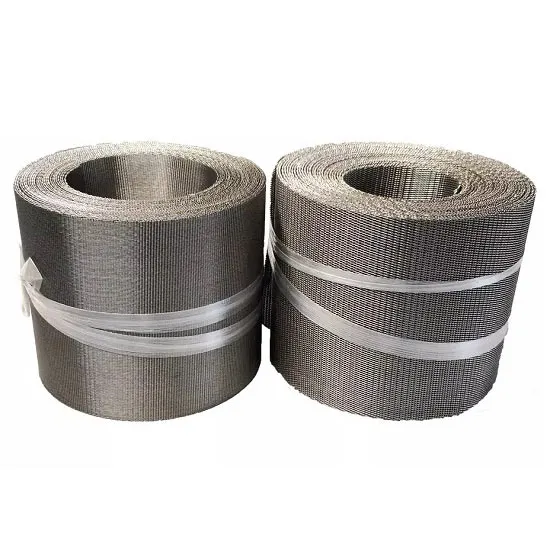
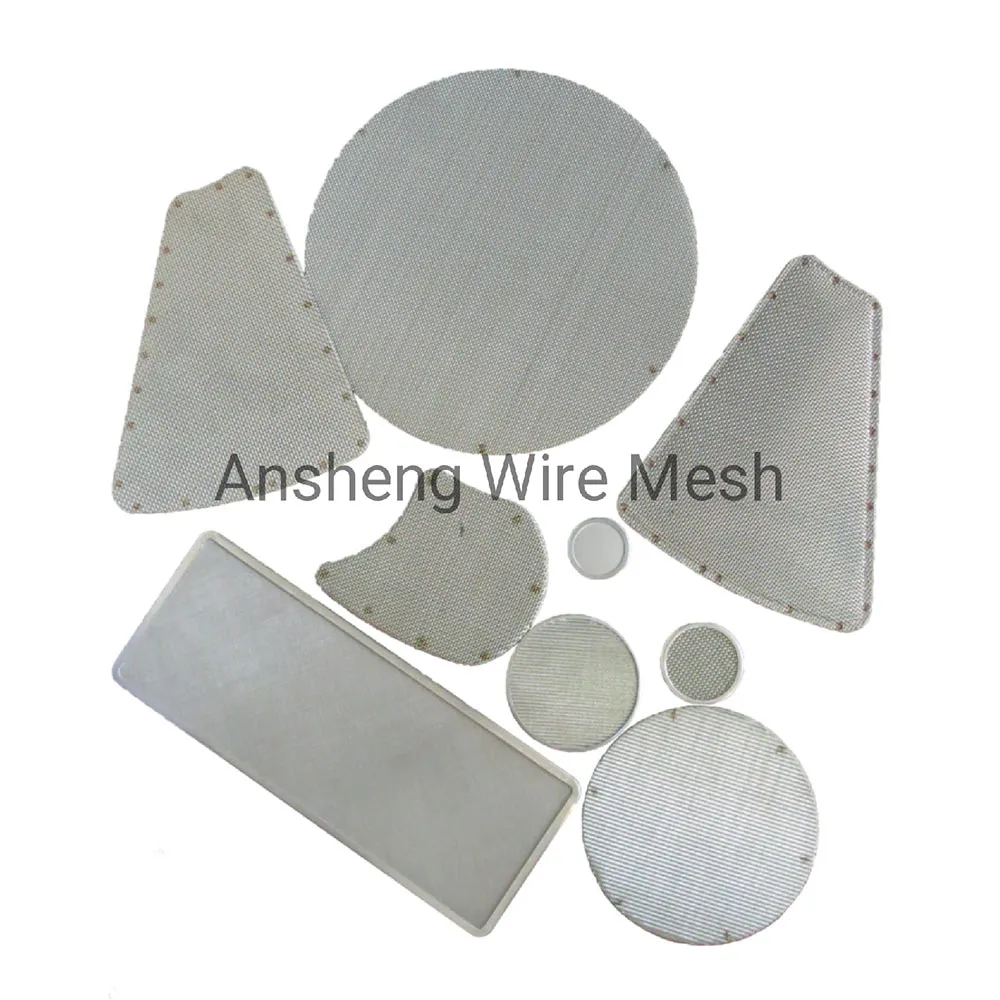
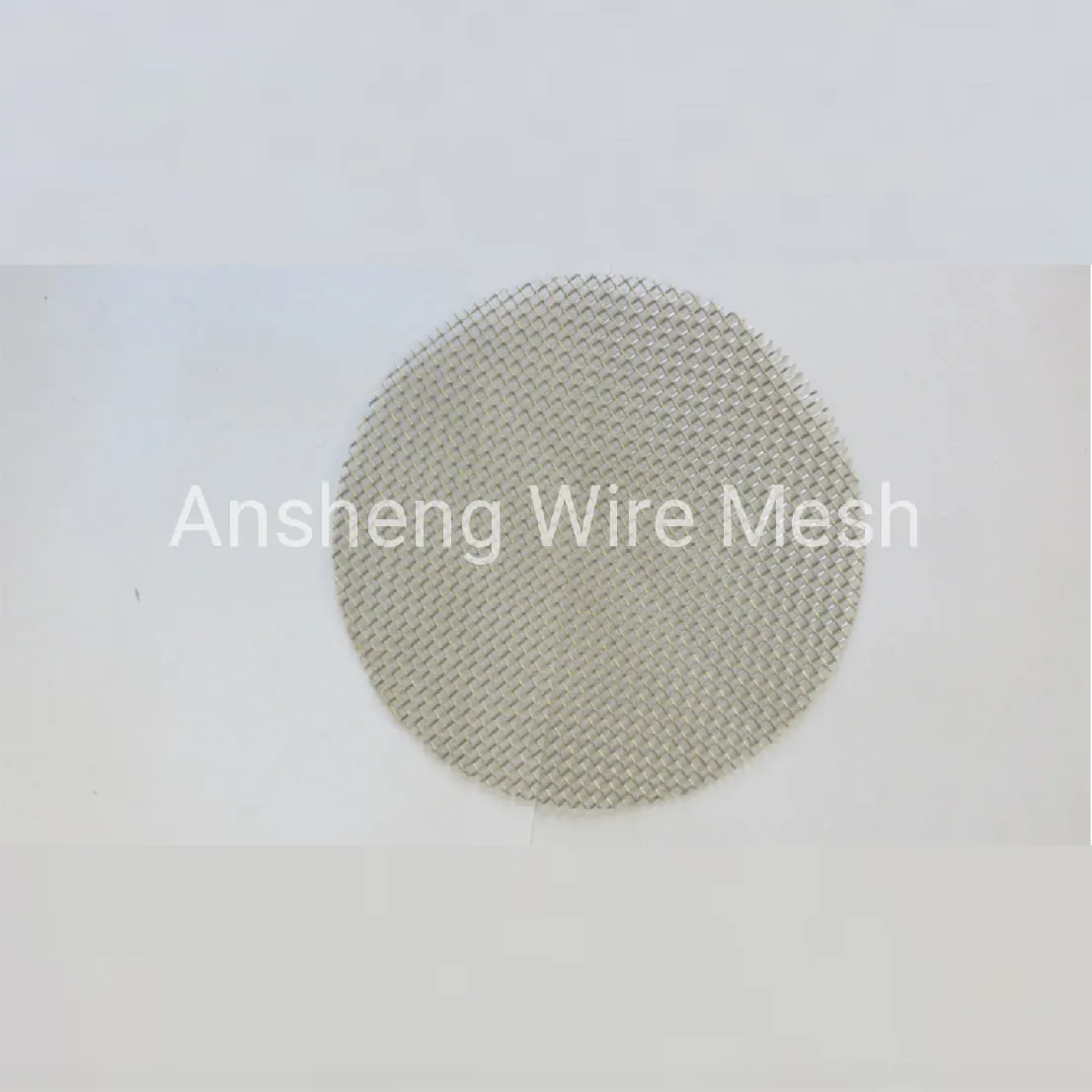
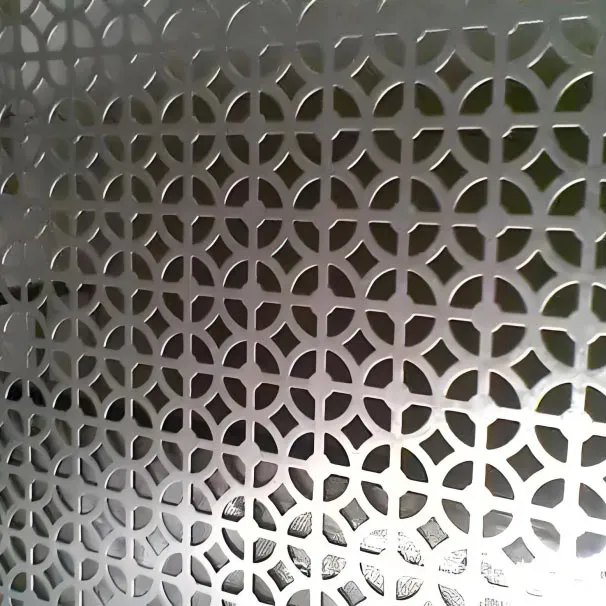
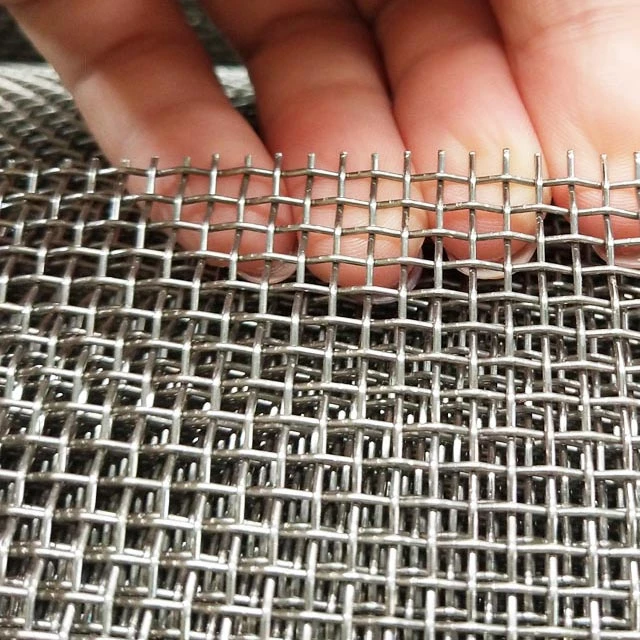
Simply put, a stainless mesh sheet is a flat piece of metal that has been woven, welded, or perforated into a mesh pattern. The key word is “stainless” — usually stainless steel grades like 304 or 316 — which means the sheet resists rust, oxidation, and chemical wear better than ordinary steel or aluminum. It’s this durability coupled with malleability that makes stainless mesh sheets fit so many jobs, from heavy-duty industrial sieves to delicate architectural facades.

Its relevance touches modern industry and humanitarian needs alike. For example, in water purification projects in developing countries, stainless mesh sheets act as essential filters removing particulate matter while withstanding harsh environmental elements; in disaster zones, their strength supports quick-to-assemble infrastructure that doesn’t fail after the first storm. So, it’s not just about industrial convenience — it’s about meeting tangible, sometimes urgent, needs.

Key Factors That Define Stainless Mesh Sheets

Durability and Corrosion Resistance

Because stainless steel resists corrosion, these mesh sheets don’t degrade easily—an attribute that saves companies millions in maintenance and replacements. Whether exposed to salty sea air or industrial chemicals, the sheets hold up remarkably well. It feels like they silently defy time, rust, and wear.

Mesh Size and Aperture

The size of the gaps (or aperture) between the wires can be tailored to very specific needs. Smaller apertures filter out finer particles, while larger ones provide security without sacrificing airflow or visibility. It’s the delicate balance every engineer chases — efficacy without bulk.

Customization & Flexibility

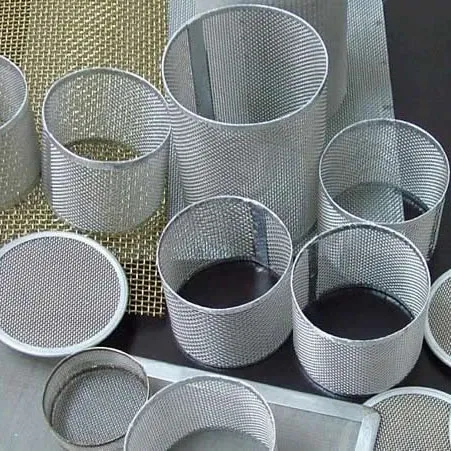
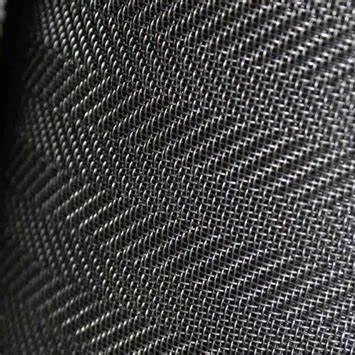
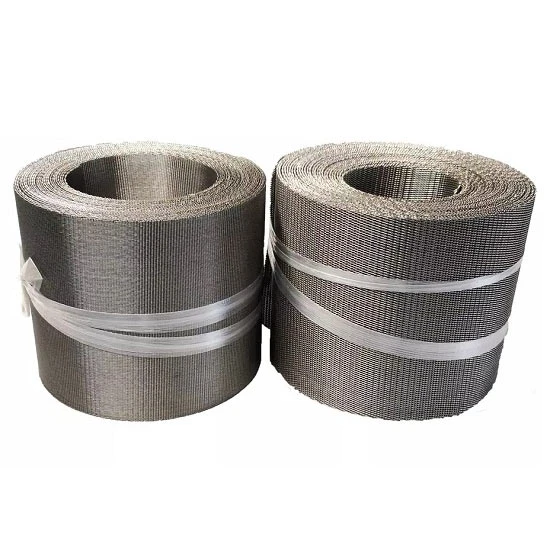
Manufacturers can customize wire diameter, weave type (plain, twill, or Dutch), and sheet thickness. This adaptability means stainless mesh sheets can be used for everything from tiny lab filters to massive architectural installations. Frankly, it’s this customization that makes them so widely loved.

Strength-to-Weight Ratio

Despite being metal, stainless mesh sheets can be surprisingly light due to their open structure. This makes installation simpler and reduces load — crucial in construction and transport applications.

Cost Efficiency & Longevity

While the upfront cost might be higher than cheaper metals or plastics, the long-term savings due to durability, low maintenance, and multi-use potential tip the scales in favor of stainless mesh sheets. It’s a classic “spend now, save later” scenario.

Mini takeaway:

  • The unmatched durability and customization options make stainless mesh sheets indispensable in many sectors.
  • It’s a subtle but powerful tool for tackling day-to-day engineering challenges in harsh environments.

Real-World Applications of Stainless Mesh Sheets

Use cases span industries and continents. In North America, stainless mesh sheets are staples in filtration systems within food processing plants—removing contaminants while withstanding frequent washdowns. In Europe, architects incorporate them into facades, providing both heat regulation and modern aesthetics. Asia’s booming industrial zones rely on these sheets to protect delicate machinery from dust and corrosion. And in Africa, NGOs use stainless mesh sheets in water purification modules to provide clean drinking water to remote communities—something I find particularly inspiring.

Disaster relief efforts often depend on stainless mesh sheets to build temporary shelters that are ventilated yet secure against unwanted pests or debris. It’s not just about metal; it’s about dignity, safety, and speed of deployment when it matters most.

Product Specification Table

Specification Detail
Material Grade Stainless Steel 304 / 316
Wire Diameter 0.1 mm – 2.0 mm
Mesh Count (per inch) 10 – 400
Sheet Thickness 0.3 mm – 5 mm
Sheet Size Customizable up to 2m x 6m
Surface Finish Polished, Brushed, or Matte

Why Choose Stainless Mesh Sheet? The Advantages & Long-Term Value

  • Reliability: They resist wear and tear, keeping operations smooth without surprise failures.
  • Sustainability: Since these sheets last decades, they reduce scrap and lower environmental footprints — a win-win in an increasingly eco-conscious market.
  • Safety & Trust: In critical environments like food or pharma, their hygienic properties literally safeguard people’s health.
  • Cost-Effectiveness Over Time: Cheaper materials often fail and need early replacement; stainless mesh sheets mean fewer hassles and lower lifetime costs.
  • Emotional Assurance: There’s a certain peace of mind when you know your infrastructure or filtration relies on materials proven to endure.

Stainless Mesh Sheet in an Evolving Landscape: Trends & Innovations

The future feels promising. Innovations in nano-coating and hybrid composites aim to push stainless mesh sheet performance even further — think self-cleaning surfaces that reduce maintenance, or lighter alloy blends to increase strength without bulk. Sustainability will keep driving development, with manufacturers focusing on recycling-friendly designs and lower carbon footprints. Digital manufacturing techniques, like laser cutting and 3D mesh patterning, are opening doors to more intricate and customized applications, previously impossible or prohibitively expensive. Automation in production is also accelerating, making high-spec meshes accessible to smaller enterprises all over the world.

Common Challenges and How Industry Leaders Respond

Not everything is perfect of course. Stainless mesh sheets can be pricey upfront and difficult to source quickly in remote areas. Plus, certain environments demand frequent testing to ensure no corrosion or fatigue has developed. Yet innovative coatings, supply chain digitalization, and local production hubs increasingly soften these blows. Plus, education on correct selection and maintenance has become a solid game changer — many users report far fewer problems once they understand what mesh grades fit their needs best.

Vendor Comparison Table

Vendor Material Grades Available Customization Options Lead Time Price Range
Ansheng Filters 304, 316 Wire diameter, mesh count, finish 2-4 weeks $$$
GlobalMesh Inc. 304, 316L, 321 Standard sizes, limited customization 1-3 weeks $$
SteelTech Solutions 316, Duplex Custom weaving, color finishes 3-6 weeks $$$$

FAQ: Practical Questions About Stainless Mesh Sheet

Q1: What makes stainless mesh sheets better than plastic alternatives?
Stainless mesh sheets outperform plastics in heat resistance, durability, and chemical stability. They won’t degrade in sunlight or harsh chemicals, making them ideal for long-term use where reliability matters.
Q2: How do I choose the right mesh size for filtration?
Consider the size of particles you want to filter out. Smaller aperture mesh blocks finer particles but can reduce flow rate, so balance is key. Consulting with suppliers like Ansheng can ensure you get the right specs.
Q3: Can stainless mesh sheets be recycled?
Yes, stainless steel is highly recyclable and maintains its properties after processing. Using stainless mesh can support eco-friendly initiatives and reduce waste significantly.
Q4: Are stainless mesh sheets suitable for outdoor use?
Absolutely. Their corrosion resistance and weather durability allow them to perform well even in salty coastal environments or industrial zones with pollutants.

Closing Thoughts: Why Stainless Mesh Sheets Are Worth Your Attention

It’s easy to overlook something as quietly effective as a stainless mesh sheet. Yet once you peel back the layers, it’s clear these sheets sit at the crossroads of innovation, durability, and sustainability. Whether you're outfitting an industrial plant, building resilient infrastructure, or improving access to clean water, stainless mesh sheets provide a steadfast backbone that few other materials can match.

For those ready to explore or upgrade their current solutions, I suggest checking out stainless mesh sheet providers who can customize sheets to your exact needs — because good materials, after all, aren’t one-size-fits-all.

References

  1. Wikipedia: Stainless Steel
  2. International Organization for Standardization (ISO)
  3. United Nations Environment Programme (UNEP)

Post time: Nov . 17, 2025 18:30
Related News
  • Plain weave is one of the most basic and fundamental fabric weaves. Its simplicity doesn’t equate to limited use; on the contrary, it's incredibly versatile and found in countless applications. This article will explore the characteristics of plain weave, its advantages, and, most importantly, what is plain weave used for across various industries. Understanding this weave is crucial for anyone involved in textiles, filtration, or composite materials. It's a cornerstone of many modern manufacturing processes. The plain weave is characterized by its simple over-under pattern. Each weft yarn (horizontal) alternates crossing over and under each warp yarn (vertical). This creates a distinct checkerboard-like appearance. This seemingly simple structure gives the fabric excellent stability and a balanced texture. The density of the weave – the number of warp and weft yarns per inch – directly affects the fabric’s properties, such as its strength, permeability, and drape. It’s a remarkably efficient weave, making it cost-effective for large-scale production. The versatility of plain weave makes it a go-to choice in numerous industries. Here's a breakdown of some key applications: Apparel Fabrics: Cotton, linen, and polyester plain weaves are used extensively in clothing – think shirts, blouses, bedsheets, and linings. Filtration: Plain weave fabrics are a fundamental component of many filter screens, used for separating solids from liquids or gases.

  • Dutch wire mesh, renowned for its precision and versatility, is a crucial material across various industries, from filtration and screening to architectural applications. This article delves into the specifics of Dutch wire mesh, its properties, applications, and why Ansheng Filter Screen is a leading provider of high-quality Dutch wire mesh solutions. Whether you are in need of precise filtration, robust screening, or specialized weaving, understanding the nuances of this material is key to making informed decisions. Let's explore the world of Dutch wire mesh and uncover its many benefits. Dutch wire mesh isn’t a specific weave style but rather a term signifying a precise method of weaving wire, primarily focusing on achieving extremely consistent aperture sizes. It’s characterized by its tightly controlled weave and uniform openings, making it ideal for applications where precise filtration or screening is critical. Typically made from stainless steel (304, 316L, and others), the mesh is known for its durability, corrosion resistance, and ability to withstand high temperatures. The process involves weaving wires in both warp and weft directions, creating a stable and dimensionally accurate fabric.

  • Dutch weave is a versatile type of woven wire mesh known for its unique structure and diverse applications. It's characterized by alternating plain and twill weaves, resulting in a fabric with excellent strength, flexibility, and permeability. This makes it ideal for a range of uses in industries like filtration, screening, and reinforcement. Ansheng Filter Screen specializes in high-quality dutch weave mesh, catering to diverse industrial needs. Understanding the properties and applications of dutch weave is key to maximizing its benefits in various sectors. Dutch weave isn’t a single weave pattern but a combination. It’s created by alternately weaving plain and twill patterns. The twill weave creates a diagonal rib pattern which impacts the mesh’s properties. This unique construction results in a mesh that is more open in one direction than the other, providing excellent flow characteristics. This makes it superior for applications needing high permeability while maintaining good structural integrity.

  • Protecting crops, buildings, and infrastructure from bird damage is a significant concern for many industries. Galvanised bird mesh provides a robust and effective solution. This article will explore the benefits, applications, and key considerations when choosing galvanised bird mesh, offering a detailed overview for those seeking reliable bird control. From agricultural protection to industrial applications, we will cover everything you need to know about this versatile product. Galvanised bird mesh is a woven wire netting coated with a layer of zinc. This galvanisation process provides excellent corrosion resistance, making it suitable for outdoor applications and harsh environments. The mesh is typically made from steel wire, offering strength and durability. Different mesh sizes are available to cater to various bird species and protection needs.

  • When selecting materials for industrial filtration, construction, or agricultural applications, galvanized steel mesh screen stands out as a durable and cost-effective solution. This article will provide a detailed overview of galvanized steel mesh screen, covering its properties, applications, benefits, and important considerations when making a purchase. Understanding its characteristics can help you determine if it’s the ideal material for your specific needs. We will delve into the nuances of this versatile material and how Ansheng Filter Screen provides quality products. Galvanized steel mesh screen is a woven wire mesh manufactured from steel that has been coated with a layer of zinc. This zinc coating acts as a protective barrier against corrosion and rust, significantly extending the lifespan of the steel. The galvanization process can be hot-dip galvanizing or electro-galvanizing, each offering different levels of protection and cost. The mesh is typically available in various weave patterns, such as plain weave, twill weave, and dutch weave, each suited for different filtration and screening needs.

  • Galvanized netting is a versatile and cost-effective solution for a wide range of applications, from agricultural fencing to industrial safety barriers. Its durability and resistance to corrosion make it a popular choice across numerous industries. This article will delve into the properties of galvanized netting, exploring its benefits, common uses, different types available, and how to select the best netting for your specific needs. Understanding the nuances of galvanized netting will ensure you make an informed decision and maximize its lifespan and effectiveness. Galvanized netting is woven from steel wire that has been coated with a layer of zinc through a process called galvanization. This zinc coating acts as a barrier against corrosion, protecting the steel from rust and environmental damage. There are two primary galvanization methods: hot-dip galvanizing and electro-galvanizing. Hot-dip galvanizing involves immersing the steel wire in a bath of molten zinc, creating a thick and durable coating. Electro-galvanizing uses an electric current to deposit a thinner layer of zinc onto the wire.

  • Dutch weave mesh is a versatile and durable material used in a wide range of industrial and filtration applications. Known for its unique weaving pattern, it provides excellent strength and permeability. This article will explore the characteristics, applications, benefits, and considerations when choosing Dutch weave mesh, providing a thorough understanding for professionals and buyers. Understanding its properties is vital to selecting the right mesh for your needs. Dutch weave mesh is created by weaving two sets of wires – one heavier warp wire and one finer shute wire – in a specific pattern. This construction results in a mesh with larger openings in one direction and smaller openings in the other. The heavier warp wires provide strength and dimensional stability, while the finer shute wires create a greater open area for improved flow rates. This unique structure differentiates it from plain weave or twill weave meshes, making it ideal for applications requiring both filtration and structural integrity.

  • Explore the benefits, applications, and vendors of Reverse Dutch Weave for industrial filtration systems. Learn how Ansheng Filter Screen delivers durable and high-performance filtration solutions.

WE PROVIDE HIGH QUALITYEQUIPMENT
Recommend Products
  • Stainless Steel Plain Weave Wire Mesh

    Stainless steel plain weave wire mesh, also known as Stainless steel wire cloth, stainless steel screen, stainless steel gauze. Materials: Stainless steel 201, 304, 316, 316L, etc. Plain weave scope of Mesh : 1mesh-635mesh Plain weave scope of wire diameter: 1mm-0.001mm Plain weave scope of width: usually 0.915m-2meters, and special specifications can be customized according to customer requirements. Plain weave scope of length: generally 30 meters. Stainless steel wire mesh weave type: plain weave, twill weave, herringbone weave, dutch weave, reserve dutch weave

  • Stainless Steel Reverse Dutch Weave Wire Mesh

    Stainless steel reserve dutch weave wire mesh, also known as Stainless steel wire cloth, stainless steel screen, stainless steel gauze. Materials: Stainless steel 201, 304, 316, 316L, etc. Reserve dutch weave scope of Mesh : 72x15mesh-260x40mesh Reserve dutch weave scope of wire diameter: 0.55mm-0.15mm Reserve dutch weave scope of width: usually 60mm-300mm, and special specifications can be customized according to customer requirements. Reserve dutch weave scope of length: generally 10 meters, 20 meters, 30meters. Stainless steel wire mesh weave type: plain weave, twill weave, herringbone weave, dutch weave, reserve dutch weave

  • Iron Dutch Weave Wire Mesh

    Low-carbon steel dutch weave wire mesh, also known as iron wire filter mesh, black wire cloth. Materials: Low-carbon steel Scope of Mesh : 7x55mesh-40x200mesh Scope of wire diameter: 0.14mm-0.75mm Scope of width: usually 0.915m-1.3meters, and special specifications can be customized according to customer requirements. Scope of length: generally 30 meters. Weave: plain weave, herringbone weave, dutch weave

  • Phosphor Copper Wire Mesh

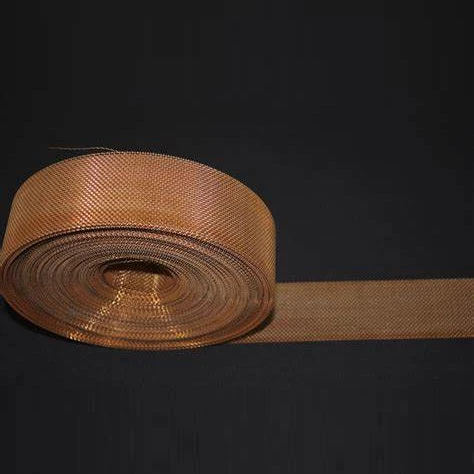
    Phosphor copper wire mesh, also known as copper wire mesh. Materials: QSn6.5-0.1,QSn6.5-0.4 Property: Non-magnetic, wear resistant, good ductility Scope of Mesh : 2-300mesh Scope of wire diameter: 0.08mm-0.8mm Scope of width: usually 1m-1.5meters, and special specifications can be customized according to customer requirements. Scope of length: generally 30 meters. Weave: plain weave, twill weave

tel email tel top

If you are interested in our products, you can choose to leave your information here, and we will be in touch with you shortly.