
Reverse Dutch Weave Mesh: High-Strength, Fine Filtration?

reverse dutch weave mesh, reverse dutch weave wire mesh, reverse dutch weave is a key solution in the Fabricated metal products industry, specifically within Wire mesh products and Precision filter screen. This article explores how Anping County Ansheng Wire Meshes Product Co., Ltd. supports professionals with durable, high-performance products, and explains why this product is an ideal choice for businesses in these sectors.
Reverse Dutch Weave Mesh: High-Strength, Fine Filtration?

Table of Contents

reverse dutch weave mesh, reverse dutch weave wire mesh, reverse dutch weave Overview

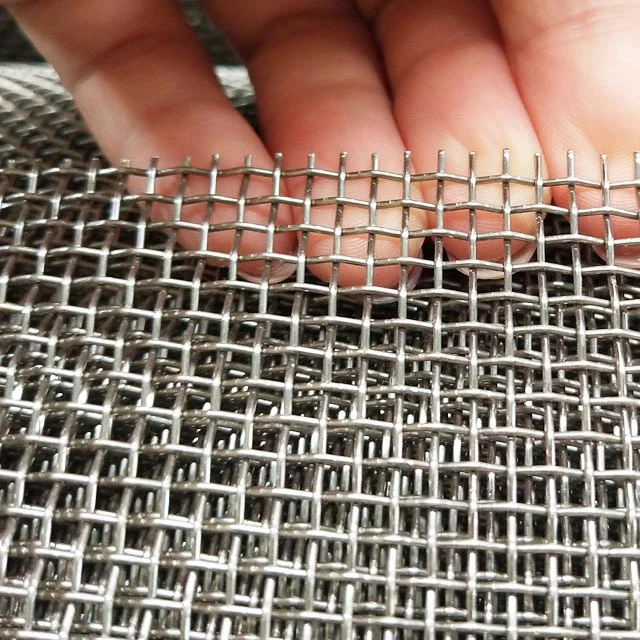
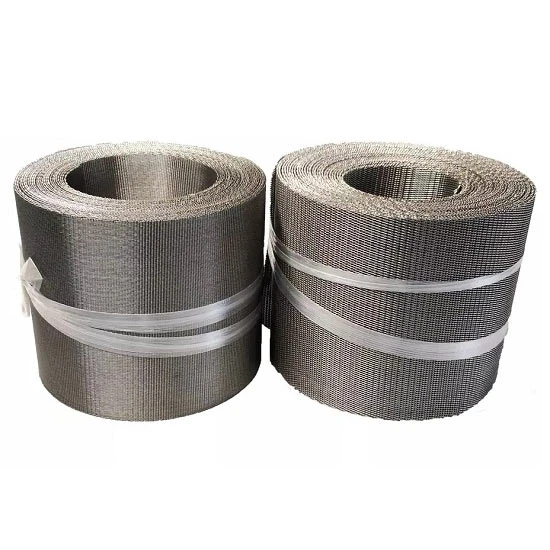
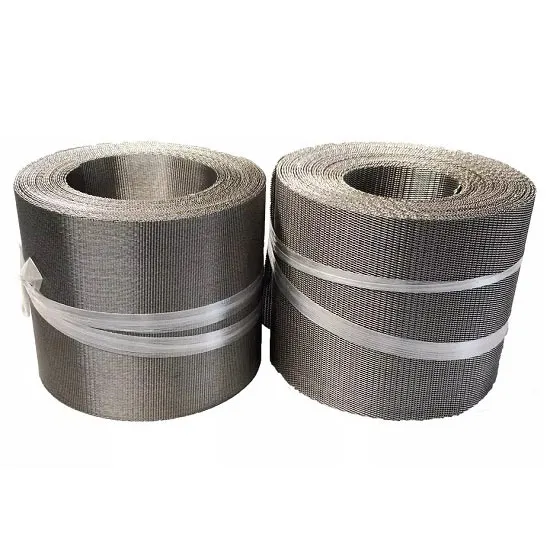
Reverse dutch weave mesh is engineered for high-pressure, fine filtration where durability and precision matter most. Unlike standard dutch weaves, reverse dutch weave wire mesh features relatively larger weft (shute) wires and finer warp wires, creating tapered, wedge-shaped flow paths. This structure delivers a high bubble point, excellent mechanical strength, and reliable particle retention at micron-level ratings. Typical stainless steel options include 304, 304L, 316, and 316L, with filtration ratings commonly in the 5–80 μm range, supplied in rolls, cut panels, or finished elements.

For precision filter screen applications, this architecture provides uniform pore distribution and stable performance under pulsating or continuous pressure. It is well-suited for polymer melt filtration, hydraulic and lubrication systems, and process filtration in chemical and petrochemical plants. Anping County Ansheng Wire Meshes Product Co., Ltd. manufactures reverse dutch weave to tight tolerances, offering customization in mesh count, wire diameter, width, and finishing processes (e.g., heat setting, calendering, slitting). The company’s production expertise ensures consistent thickness, straightness, and traceability—key factors for B2B decision makers who value repeatability and predictable performance across global operations.

Benefits & Use Cases of reverse dutch weave mesh, reverse dutch weave wire mesh, reverse dutch weave in Precision filter screen

Reverse dutch weave mesh excels where fine retention must coexist with high throughput and pressure resistance. Its conical pore geometry encourages efficient backwashing, extending service life and reducing downtime. In precision filter screen applications, it is commonly integrated into:

  • Polymer melt packs for extrusion and film production (stable micron ratings, fewer gel/black spot defects).
  • Hydraulic and lubrication systems (high collapse strength and consistent β-ratio performance).
  • Chemical and petrochemical process filters, candle/leaf filters, and backwashable cartridge cores.
  • Gas filtration and vent protection in corrosive environments using 316L.

Key competitive advantages include high pressure tolerance, excellent dirt-holding capacity, uniform filtration at low micron levels, and robust cleanability. Anping County Ansheng Wire Meshes Product Co., Ltd. supports OEMs and end users with application-driven engineering—matching alloy and weave parameters to operating conditions, temperature, viscosity, and cleaning methods. Their ability to deliver cut-to-size screens, multi-layer laminates, and precisely slit coils helps integrators shorten assembly time and achieve consistent filtration performance across product lines.

Cost, Maintenance & User Experience

Total cost of ownership goes beyond the price per square meter. Reverse dutch weave wire mesh typically reduces change-out frequency via higher dirt-loading and better backwash recovery, decreasing labor and line stoppages. In polymer and chemical plants, users often see extended maintenance intervals and improved product quality, which translates into higher yield and fewer rejects. While the upfront mesh cost may be higher than plain-weave options, the lifecycle economics—longer service life, fewer replacements, and stable differential pressure—result in a strong ROI.

Customers in the wire mesh products sector value the repeatability and cleanability of Anping County Ansheng Wire Meshes Product Co., Ltd.’s meshes. Common maintenance practices include ultrasonic cleaning, solvent or alkaline soak (compatible with alloy selection), steam or thermal treatment, and backflushing. With proper cleaning protocols, reverse dutch weave maintains pore integrity and recovers flow efficiently. Feedback from industrial users indicates reduced unscheduled downtime and consistent filtration performance after multiple cleaning cycles—key metrics for operations managers focused on throughput, OEE, and predictable maintenance planning.

Sustainability & Market Trends in Fabricated metal products

Global filtration markets are trending toward longer-life, reusable media that reduce waste and energy consumption. Reverse dutch weave mesh supports these goals: stainless steel media are fully recyclable and handle repeated cleaning cycles, minimizing disposable filter consumption. As regulations tighten around emissions, polymer quality, and process effluents, high-integrity filtration helps plants meet environmental targets while maintaining productivity.

In Fabricated metal products and precision filter screen segments, buyers increasingly request documented traceability, material test reports, and stable micron ratings. There is growing interest in higher-alloy grades for corrosive streams, plus multi-layer laminates that combine reverse dutch weave with support meshes to maximize strength-to-flow ratios. Anping County Ansheng Wire Meshes Product Co., Ltd. responds with process control, rigorous inspection, and application-specific recommendations—helping partners choose the right weave, alloy, and finishing to balance sustainability, compliance, and cost-effectiveness.

Conclusion on reverse dutch weave mesh, reverse dutch weave wire mesh, reverse dutch weave from Anping County Ansheng Wire Meshes Product Co., Ltd.

Reverse dutch weave mesh brings reliable, fine filtration performance to demanding environments—combining strength, stable micron control, and excellent cleanability. For Wire mesh products and Precision filter screen applications, it delivers measurable value in uptime, quality, and lifecycle cost. Anping County Ansheng Wire Meshes Product Co., Ltd. is a trusted manufacturer offering tailored specifications, quick turnarounds, and consistent quality.

Contact us: email: sales@anshengwiremesh.com
Visit our website: https://www.anshengfilterscreen.com


Post time: Oct . 07, 2025 06:00
Related News
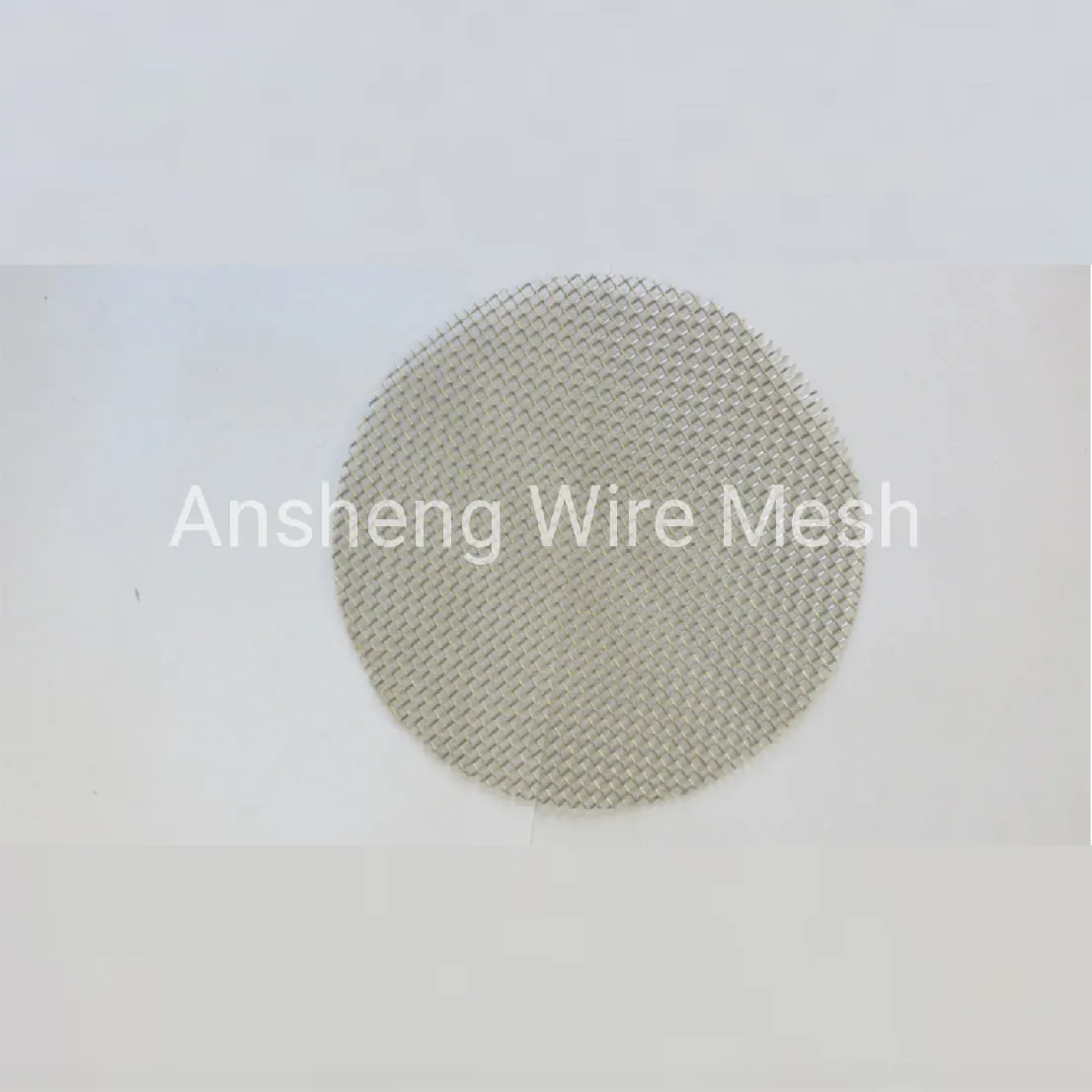
  • Discover precision engineering and durable solutions with Wire Mesh Discs from Anping County Ansheng. Combining cost-effective customization with advanced CNC machining, our discs ensure industrial excellence. Explore now: https://www.anshengfilterscreen.com/single-layer.html

  • Plain weave is one of the most basic and fundamental fabric weaves. Its simplicity doesn’t equate to limited use; on the contrary, it's incredibly versatile and found in countless applications. This article will explore the characteristics of plain weave, its advantages, and, most importantly, what is plain weave used for across various industries. Understanding this weave is crucial for anyone involved in textiles, filtration, or composite materials. It's a cornerstone of many modern manufacturing processes. The plain weave is characterized by its simple over-under pattern. Each weft yarn (horizontal) alternates crossing over and under each warp yarn (vertical). This creates a distinct checkerboard-like appearance. This seemingly simple structure gives the fabric excellent stability and a balanced texture. The density of the weave – the number of warp and weft yarns per inch – directly affects the fabric’s properties, such as its strength, permeability, and drape. It’s a remarkably efficient weave, making it cost-effective for large-scale production. The versatility of plain weave makes it a go-to choice in numerous industries. Here's a breakdown of some key applications: Apparel Fabrics: Cotton, linen, and polyester plain weaves are used extensively in clothing – think shirts, blouses, bedsheets, and linings. Filtration: Plain weave fabrics are a fundamental component of many filter screens, used for separating solids from liquids or gases.

  • Dutch wire mesh, renowned for its precision and versatility, is a crucial material across various industries, from filtration and screening to architectural applications. This article delves into the specifics of Dutch wire mesh, its properties, applications, and why Ansheng Filter Screen is a leading provider of high-quality Dutch wire mesh solutions. Whether you are in need of precise filtration, robust screening, or specialized weaving, understanding the nuances of this material is key to making informed decisions. Let's explore the world of Dutch wire mesh and uncover its many benefits. Dutch wire mesh isn’t a specific weave style but rather a term signifying a precise method of weaving wire, primarily focusing on achieving extremely consistent aperture sizes. It’s characterized by its tightly controlled weave and uniform openings, making it ideal for applications where precise filtration or screening is critical. Typically made from stainless steel (304, 316L, and others), the mesh is known for its durability, corrosion resistance, and ability to withstand high temperatures. The process involves weaving wires in both warp and weft directions, creating a stable and dimensionally accurate fabric.

  • Dutch weave is a versatile type of woven wire mesh known for its unique structure and diverse applications. It's characterized by alternating plain and twill weaves, resulting in a fabric with excellent strength, flexibility, and permeability. This makes it ideal for a range of uses in industries like filtration, screening, and reinforcement. Ansheng Filter Screen specializes in high-quality dutch weave mesh, catering to diverse industrial needs. Understanding the properties and applications of dutch weave is key to maximizing its benefits in various sectors. Dutch weave isn’t a single weave pattern but a combination. It’s created by alternately weaving plain and twill patterns. The twill weave creates a diagonal rib pattern which impacts the mesh’s properties. This unique construction results in a mesh that is more open in one direction than the other, providing excellent flow characteristics. This makes it superior for applications needing high permeability while maintaining good structural integrity.

  • Protecting crops, buildings, and infrastructure from bird damage is a significant concern for many industries. Galvanised bird mesh provides a robust and effective solution. This article will explore the benefits, applications, and key considerations when choosing galvanised bird mesh, offering a detailed overview for those seeking reliable bird control. From agricultural protection to industrial applications, we will cover everything you need to know about this versatile product. Galvanised bird mesh is a woven wire netting coated with a layer of zinc. This galvanisation process provides excellent corrosion resistance, making it suitable for outdoor applications and harsh environments. The mesh is typically made from steel wire, offering strength and durability. Different mesh sizes are available to cater to various bird species and protection needs.

  • When selecting materials for industrial filtration, construction, or agricultural applications, galvanized steel mesh screen stands out as a durable and cost-effective solution. This article will provide a detailed overview of galvanized steel mesh screen, covering its properties, applications, benefits, and important considerations when making a purchase. Understanding its characteristics can help you determine if it’s the ideal material for your specific needs. We will delve into the nuances of this versatile material and how Ansheng Filter Screen provides quality products. Galvanized steel mesh screen is a woven wire mesh manufactured from steel that has been coated with a layer of zinc. This zinc coating acts as a protective barrier against corrosion and rust, significantly extending the lifespan of the steel. The galvanization process can be hot-dip galvanizing or electro-galvanizing, each offering different levels of protection and cost. The mesh is typically available in various weave patterns, such as plain weave, twill weave, and dutch weave, each suited for different filtration and screening needs.

  • Galvanized netting is a versatile and cost-effective solution for a wide range of applications, from agricultural fencing to industrial safety barriers. Its durability and resistance to corrosion make it a popular choice across numerous industries. This article will delve into the properties of galvanized netting, exploring its benefits, common uses, different types available, and how to select the best netting for your specific needs. Understanding the nuances of galvanized netting will ensure you make an informed decision and maximize its lifespan and effectiveness. Galvanized netting is woven from steel wire that has been coated with a layer of zinc through a process called galvanization. This zinc coating acts as a barrier against corrosion, protecting the steel from rust and environmental damage. There are two primary galvanization methods: hot-dip galvanizing and electro-galvanizing. Hot-dip galvanizing involves immersing the steel wire in a bath of molten zinc, creating a thick and durable coating. Electro-galvanizing uses an electric current to deposit a thinner layer of zinc onto the wire.

  • Dutch weave mesh is a versatile and durable material used in a wide range of industrial and filtration applications. Known for its unique weaving pattern, it provides excellent strength and permeability. This article will explore the characteristics, applications, benefits, and considerations when choosing Dutch weave mesh, providing a thorough understanding for professionals and buyers. Understanding its properties is vital to selecting the right mesh for your needs. Dutch weave mesh is created by weaving two sets of wires – one heavier warp wire and one finer shute wire – in a specific pattern. This construction results in a mesh with larger openings in one direction and smaller openings in the other. The heavier warp wires provide strength and dimensional stability, while the finer shute wires create a greater open area for improved flow rates. This unique structure differentiates it from plain weave or twill weave meshes, making it ideal for applications requiring both filtration and structural integrity.

WE PROVIDE HIGH QUALITYEQUIPMENT
Recommend Products
  • Stainless Steel Plain Weave Wire Mesh

    Stainless steel plain weave wire mesh, also known as Stainless steel wire cloth, stainless steel screen, stainless steel gauze. Materials: Stainless steel 201, 304, 316, 316L, etc. Plain weave scope of Mesh : 1mesh-635mesh Plain weave scope of wire diameter: 1mm-0.001mm Plain weave scope of width: usually 0.915m-2meters, and special specifications can be customized according to customer requirements. Plain weave scope of length: generally 30 meters. Stainless steel wire mesh weave type: plain weave, twill weave, herringbone weave, dutch weave, reserve dutch weave

  • Stainless Steel Reverse Dutch Weave Wire Mesh

    Stainless steel reserve dutch weave wire mesh, also known as Stainless steel wire cloth, stainless steel screen, stainless steel gauze. Materials: Stainless steel 201, 304, 316, 316L, etc. Reserve dutch weave scope of Mesh : 72x15mesh-260x40mesh Reserve dutch weave scope of wire diameter: 0.55mm-0.15mm Reserve dutch weave scope of width: usually 60mm-300mm, and special specifications can be customized according to customer requirements. Reserve dutch weave scope of length: generally 10 meters, 20 meters, 30meters. Stainless steel wire mesh weave type: plain weave, twill weave, herringbone weave, dutch weave, reserve dutch weave

  • Iron Dutch Weave Wire Mesh

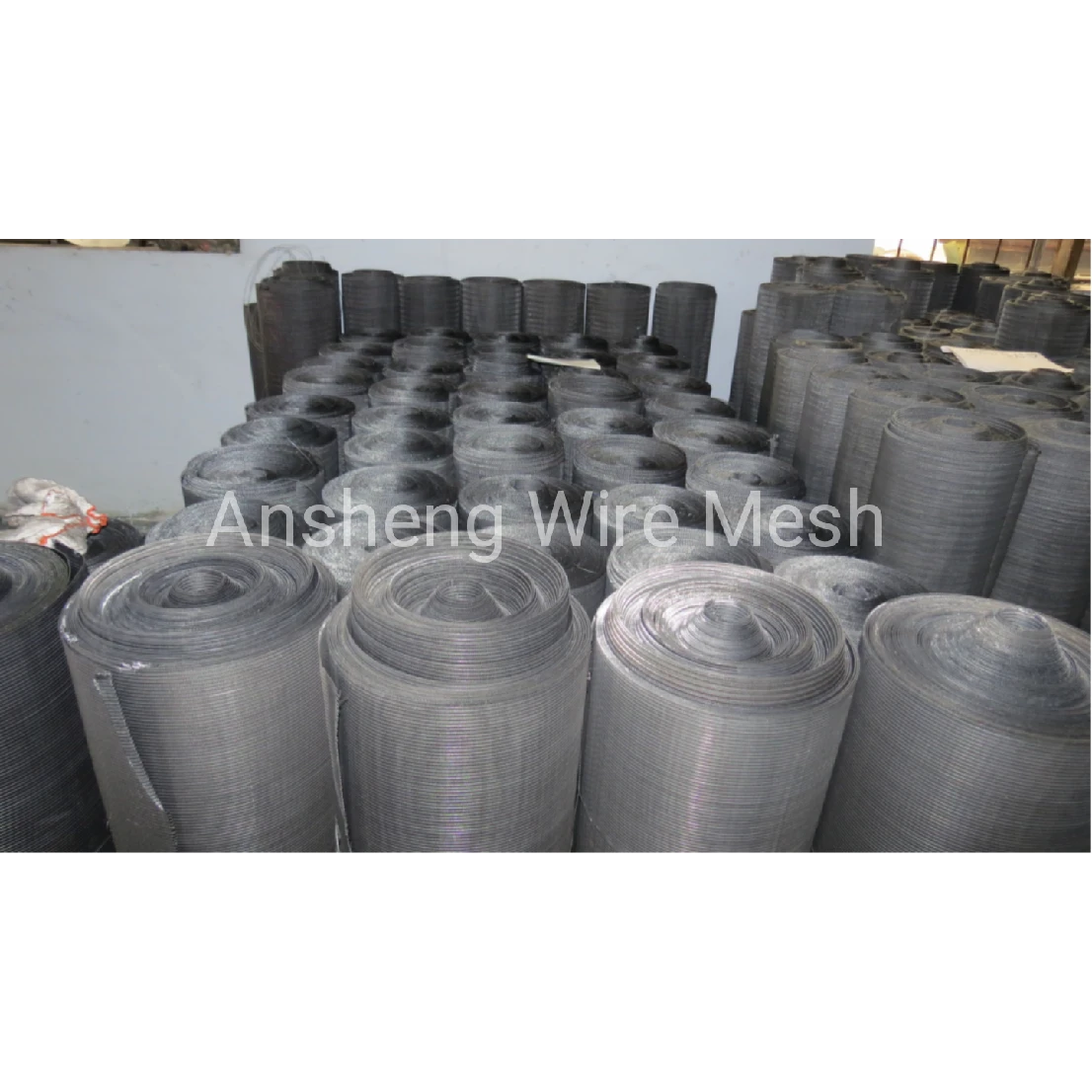
    Low-carbon steel dutch weave wire mesh, also known as iron wire filter mesh, black wire cloth. Materials: Low-carbon steel Scope of Mesh : 7x55mesh-40x200mesh Scope of wire diameter: 0.14mm-0.75mm Scope of width: usually 0.915m-1.3meters, and special specifications can be customized according to customer requirements. Scope of length: generally 30 meters. Weave: plain weave, herringbone weave, dutch weave

  • Phosphor Copper Wire Mesh

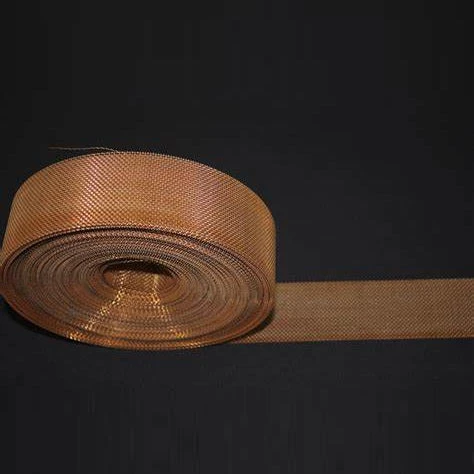
    Phosphor copper wire mesh, also known as copper wire mesh. Materials: QSn6.5-0.1,QSn6.5-0.4 Property: Non-magnetic, wear resistant, good ductility Scope of Mesh : 2-300mesh Scope of wire diameter: 0.08mm-0.8mm Scope of width: usually 1m-1.5meters, and special specifications can be customized according to customer requirements. Scope of length: generally 30 meters. Weave: plain weave, twill weave

tel email tel top

If you are interested in our products, you can choose to leave your information here, and we will be in touch with you shortly.