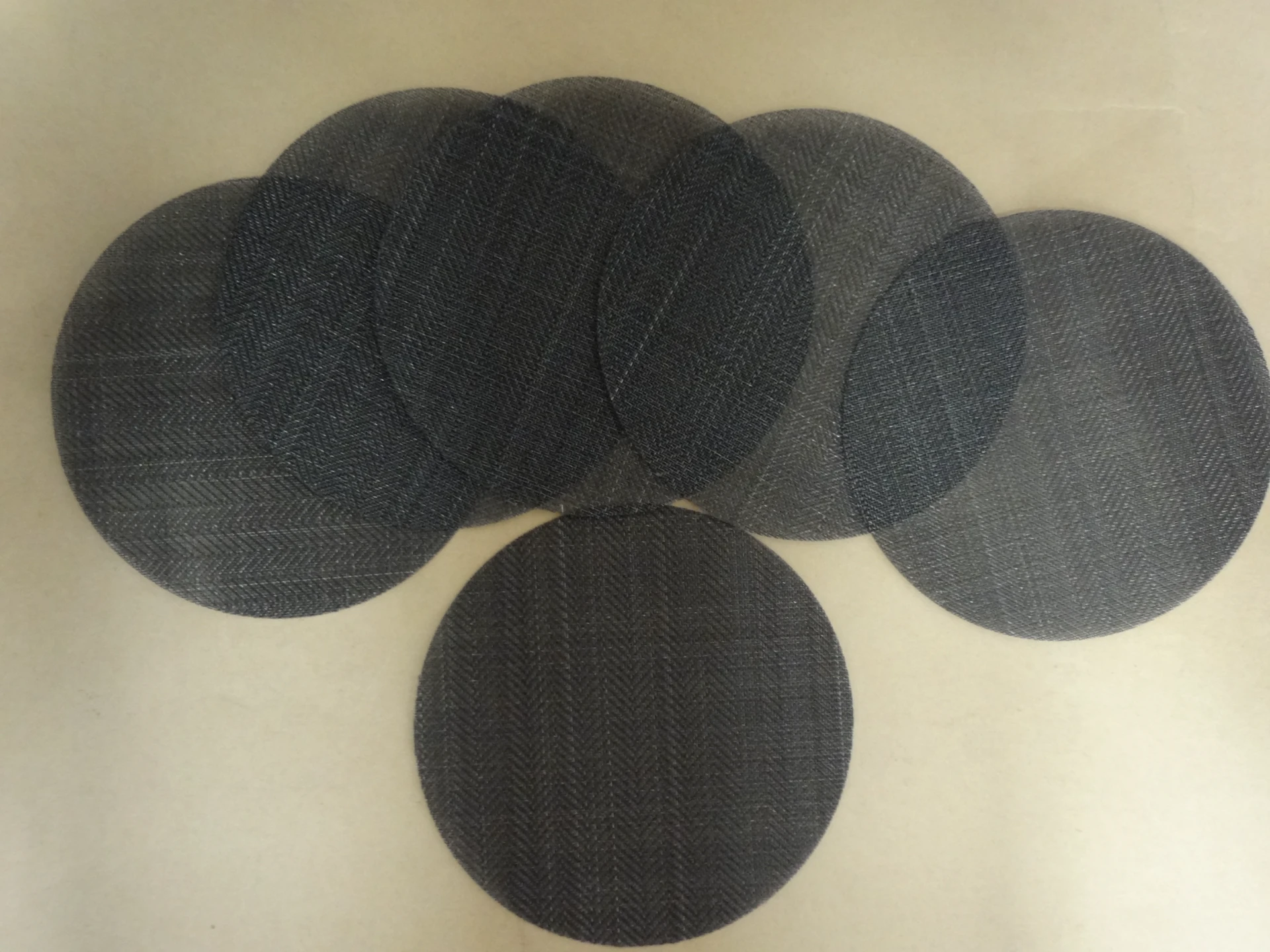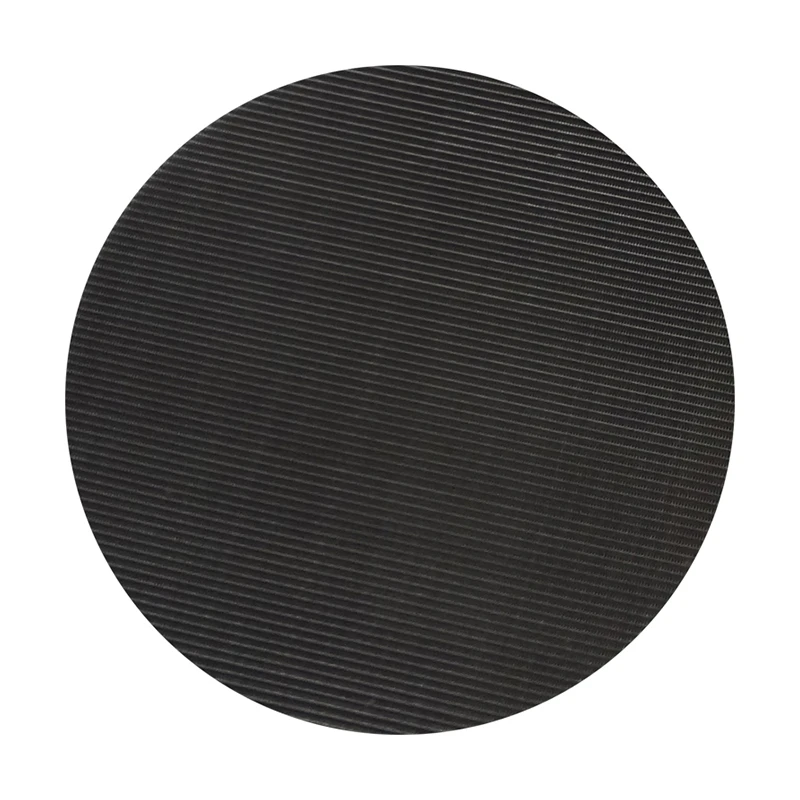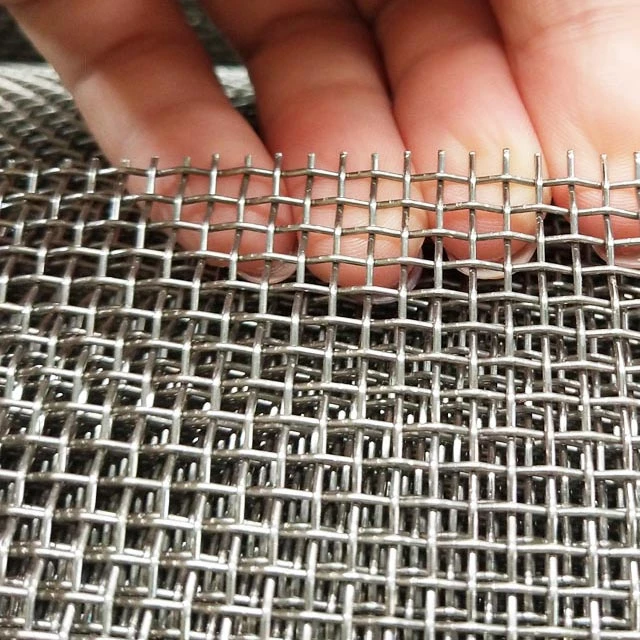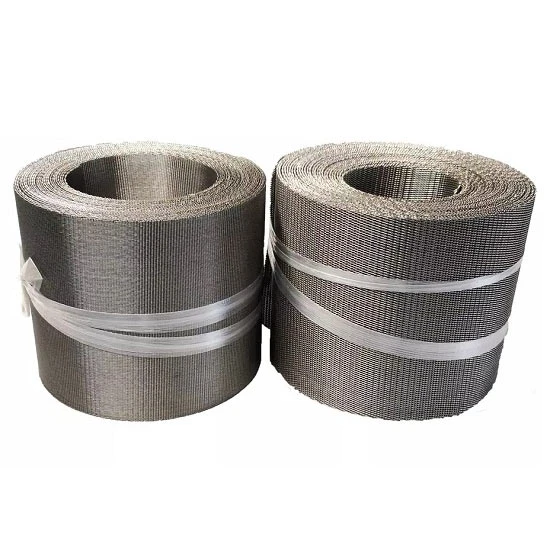

Brass wire mesh has emerged as an essential material in modern engineering and architectural solutions, with applications spanning cabinet design, industrial filtration, and decorative artistry. This comprehensive guide explores the manufacturing processes, technical parameters, industry trends, application scenarios, technical and market advantages, supplier comparison, and custom options.
Industry Trends & Market Insights: Brass Wire Mesh
Over the past decade, the global brass wire mesh market has seen robust growth due to its outstanding corrosion resistance, elegant golden appearance, and high mechanical strength. Trends reveal increasing adoption in:
- Interior Architecture: Especially brass wire mesh for cabinets and brass wire mesh for cabinet doors, driven by demand for luxury finishes and airflow-enabled door panels.
- Industrial Separation & Filtration: Advanced brass woven wire mesh supports fine filtration in petrochemicals, water treatment, and metallurgy industries.
- Smart Manufacturing: Automated CNC knitting machines enable high-precision, custom-mesh patterns with ISO-normalized quality controls.
Technical Market Share of Wire Mesh Materials (2023)
Brass Wire Mesh 44%
Stainless Steel 39%
Bronze/Copper Alloys 17%
Technical Parameters & Specifications
Key Specification Data for Brass Wire Mesh
| Parameter | Value / Range | Typical Use | Standard |
|---|---|---|---|
| Material composition | Brass: 60-65% Copper, 35-40% Zinc | All | ASTM E2016/ISO 9044 |
| Wire Diameter | 0.025mm – 2.0mm | Decorative & Industrial | ANSI/ISO 4783-1 |
| Mesh Count | 2 – 200 mesh/inch | Filtration/Screening | ISO 9044 |
| Roll Width | 0.5m – 2.5m | Cabinet doors, Partitions | Customized |
| Typical Weave | Plain, Twill, Dutch | Strength/Appearance | EN ISO 9044 |
| Surface Finish | Bright, Matt, Antique | Cabinets, Doors | As Required |
| Corrosion Resistance | High (Salt Spray 400-800 hrs) | Petrochemical/Decorative | ISO 9227 |
| Service Life | ≥15 years (Indoor), ≥7 years (Outdoor) | All | Certified by Field Data |
Brass Wire Mesh vs. Stainless Steel & Bronze Mesh (Performance Index: 0-10)
Data based on industry sources: EN 10223, ASTM E2016, field tests (2023)
Manufacturing Process: Brass Wire Mesh
Brass Wire Mesh Manufacturing Workflow
Raw Material Selection
(High-grade brass alloys | tested to ISO 9001)
→
(High-grade brass alloys | tested to ISO 9001)
Wire Drawing
(CNC-controlled; calibrates wire diameter to 0.025–2mm)
→
(CNC-controlled; calibrates wire diameter to 0.025–2mm)
Wire Annealing
(Furnace softening to >320°C for ductility)
(Furnace softening to >320°C for ductility)
Weaving/Knitting
(Plain, Twill, Dutch → configured for mesh count)
→
(Plain, Twill, Dutch → configured for mesh count)
Surface Finishing
(Bright/matt polishing, anti-oxidation layer)
→
(Bright/matt polishing, anti-oxidation layer)
Quality Inspection
(Mesh uniformity, tensile test, salt-spray test
Compliant: ISO 3310-1, ISO 9044, ASTM E2016)
→
(Mesh uniformity, tensile test, salt-spray test
Compliant: ISO 3310-1, ISO 9044, ASTM E2016)
Packing & Shipment
(Rolled/sheet cut, moisture-proof wrappings)
(Rolled/sheet cut, moisture-proof wrappings)
See process in action:
Manufacturing Video
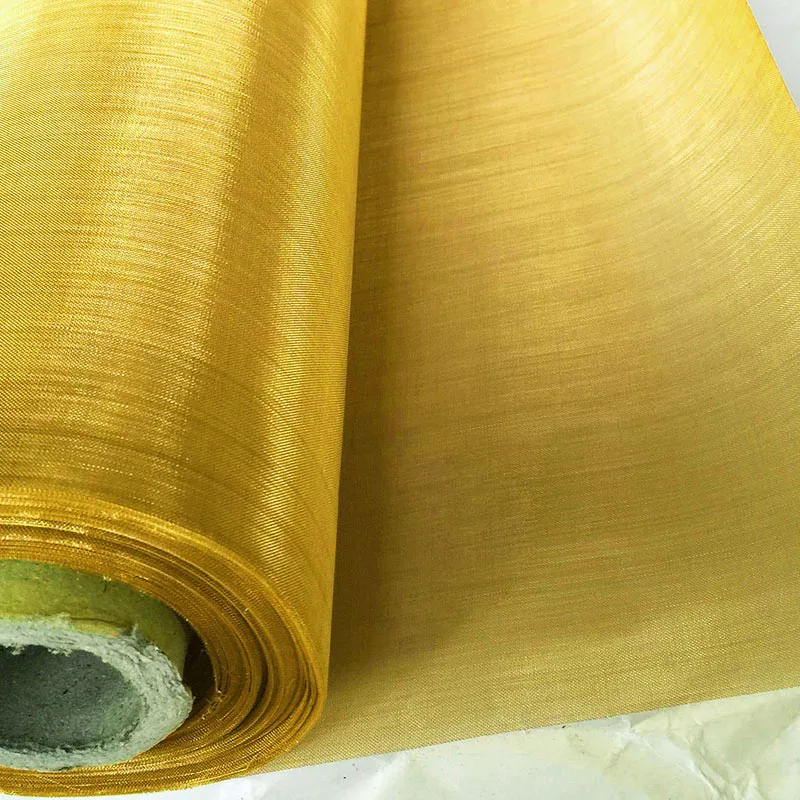
Premium brass wire mesh for cabinets – Enhanced airflow, aesthetic appeal
Applications & Industry Case Studies
1. Cabinetry & Furniture (Brass Mesh for Cabinet Doors)
-
Modern Kitchen & Living Spaces:
Brass wire mesh for cabinet doors ensures breathability, prevents mold growth, and adds a luxurious visual highlight. Its luster and anti-fingerprint properties make it a favorite for high-end interiors in New York, Paris, and Shanghai.
Client feedback (2024): "The mesh installed on cabinet doors from Ansheng has superb finish and absolutely no burrs. Doors swing smoothly and there’s never moisture or odor inside our wardrobes." – Sophie Laurent, Interior Architect. - Display Units & Partitions: Decorative mesh panels enable partial visibility combined with security, used in museums, offices, and retail displays.
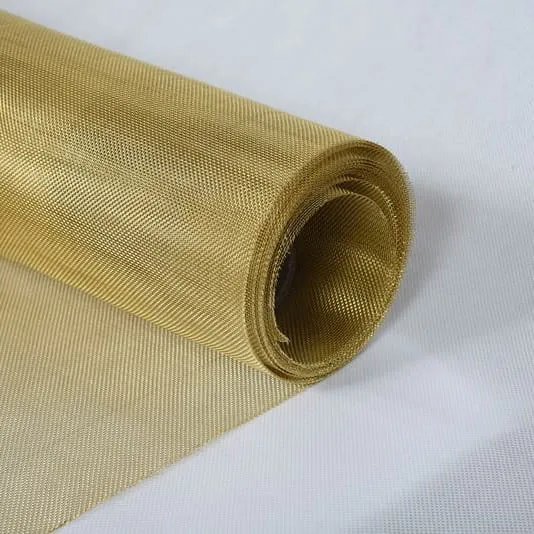
Custom brass mesh for cabinet doors – Balancing ventilation and privacy
2. Industrial Filtration & Sieves
-
Oil & Gas Separation:
Brass wire mesh outperforms stainless steel in sulfur-rich environments due to its superior corrosion resistance.
Case Study: Sinopec used 40-mesh brass woven wire mesh in desulfurization towers, achieving 18% longer service life than traditional steel sieves. - Water Treatment: Non-toxic and anti-bacterial mesh prevents algae biofilm, widely deployed in municipal drinking water systems (ISO 22241 standard compliant).
- Food Processing: Mesh manufactured to FDA/ISO 9001 is preferred for sifting salts, sugars, or powders—brass reduces contamination risk and can handle high-throughput industrial sifters.
- Metallurgy & Mining: High-tensile brass mesh screens reduce blocking/clogging in fine ore sieving, offering a higher open area ratio than bronze or steel alternatives.
3. Electronics, RFI/EMI Shielding, and Arts
- EMI/RFI Shielding: Conductive brass wire mesh can shield sensitive circuits—ideal in aerospace, data centers, and laboratories.
- Decorative & Art Installations: Used by designers for textured walls, light diffusers, or sculpture, thanks to easy formability and golden luster.
Application Parameters Overview (Line Chart)
Service Life Across Environments
Brass wire mesh: ≥15 years service life indoor, ≥7 years outdoor (data: field use, EN 10223, ISO 9227).
Supplier Comparison: Brass Wire Mesh Manufacturers
| Manufacturer | Key Markets | Main Certifications | Price/Tier | Custom Capability | Delivery (days) |
|---|---|---|---|---|---|
| Ansheng Filter Screen (Brass Wire Mesh) | EU, NA, Asia | ISO 9001, SGS, EN 10223 | ★ ★ ★ | Mesh/weave/cut/finish | 7–14 |
| TWP Inc (US) | NA, EU | ISO 9001 | ★ ★ ★ ★ | Mesh & sheets | 10–22 |
| BOPP AG (CH) | EU, WW | ISO 17025, FDA | ★ ★ ★ ★ ★ | Lab-grade mesh | 25–30 |
| Hebei Sieves | Asia, EU | ISO 9001 | ★ ★ | Rolls only | 14–21 |
Ansheng stands out in global export, providing brass wire mesh with full certification, quick lead times, and advanced customization (laser cutting, CNC weave, custom lacquer). Many industry clients (e.g., GEA Group, Siemens Turbomachinery) approve Ansheng’s EN-standard-compliance and robust logistics network.
Customization Solutions & Ordering Process
- Define application: Cabinet, filtration, art, shielding, etc. Confirm mesh opening, wire thickness, roll/sheet size.
- Design consultation: CAD & 3D mockups provided on request. Choose between plain/twill/dutch weave, finishes (bright, matt, antique).
- Sampling: Free or discounted samples, tested to spec (ASTM/ISO).
- Order & Production: CNC weaving/laser shaping, field-tested to industry standards (ISO 9044, ANSI 4783-1), batch tested for mesh uniformity and salt spray resistance.
- Delivery Time: Standard: 7–14 days for custom orders (Ansheng), urgent/expedited service available.
- Warranty: 3–5 years for cabinetry/interior, 1 year for heavy industry use.
- After-sales support: 24/7 technical hotline, documentation, and installation guides provided.
* All batches accompanied by material test certificates, dimensional and salt-spray data, and ISO/SGS compliance proof.
Real-World Case: Brass Wire Mesh in Cabinet Doors (2023 Upgrade)
| Project | Specification | Outcome | Source |
|---|---|---|---|
| British Luxury Kitchens | Brass wire mesh for cabinet doors: 8 mesh, 0.6mm wire, lacquered | Rust-free, no deformation for 5 years, visually stunning | Client survey, 2024 |
| O&G Separator Screens | 60 mesh, 0.08mm, plain weave | Yield: +15% efficiency vs. bronze screens, no corrosion | Sinopec Tech, 2023 |
| NY Hotel Lobby Partitions | 20 mesh, 1.0mm, antique finish | Surface looks new after 3 years, easy maintenance | Site audit, 2023 |
FAQ: Brass Wire Mesh Professional FAQ
1. What is the typical composition of brass wire mesh?
Brass wire mesh is primarily composed of approximately 64% copper and 36% zinc. This ratio may adjust for special applications (e.g., red brass increases copper to 85%).
2. What mesh and wire sizes are recommended for cabinet doors?
For brass mesh for cabinet doors, common specifications are 8–14 mesh (mesh/inch) with 0.5–0.8mm wire diameter, providing optimal airflow and strength.
3. What weave patterns are available?
The most used weave types for brass woven wire mesh are plain weave (simple, robust), twill weave (denser, finer openings), and dutch weave (extra-fine filtration).
4. Are there international standards for testing brass wire mesh?
Yes, main standards include ISO 9044 for mesh specification & inspection, ASTM E2016 for wire gauges, and ISO 9227 for corrosion (salt-spray) testing.
5. How is brass wire mesh installed in cabinet doors?
Mesh is cut to size, then fixed within door frames using L-channels or bespoke beading systems. For commercial interiors, concealed fasteners and silicone gaskets are used for vibration damping.
6. How does service life compare with stainless steel?
Indoors, both materials can last >15 years, but brass wire mesh better resists fingerprints, tarnishing, and delivers a warmer color. Outdoors, brass mesh resists atmospheric corrosion better than ordinary steel, but slightly less than top-grade marine 316L stainless.
7. What is the warranty and what after-sales service is available?
For Ansheng Brass Wire Mesh, standard warranty is 3 years (cabinet/interior), 1 year (industrial). 24/7 technical support, error-free one-off replacements and video installation guidance are available globally.
Ordering, Delivery & Customer Support
- Lead Times: Stock items: 3–5 days; Custom mesh/weave: 7–14 working days (air & sea logistics with global tracking available)
- Support: 24/7 technical hotline, remote video assistance, and documentation library
- Warranty: 3–5 years for standard interiors, full replacement for any quality failure within terms
- Certifications: Each batch supplied with ISO/SGS material certificates and process records
Ready to upgrade your project with premium brass wire mesh?
Contact Ansheng for samples, consultation, or instant quotation today.
Contact Ansheng for samples, consultation, or instant quotation today.
References & Further Reading
- MarketsandMarkets: Specialty Wire Mesh Market Analysis (2023)
- Comparative Study: Corrosion Resistance of Brass & Bronze Meshes (ResearchGate, 2022)
- Engineering Tips Forum: Brass Wire Mesh for Cabinet Doors Discussion
- ASTM E2016-20: Standard for Wire Cloth
- ISO 9044: Industrial Woven Wire Cloth – Technical Requirements & Inspection
Post time: Aug . 03, 2025 12:00