Look, I've been running around construction sites for twenty years, and let me tell you, things are changing fast. It's not just about bigger machines, it's about smarter materials. Everyone's talking about lightweight, high-strength stuff now, especially in pre-fabricated buildings. It's good, really good, but sometimes… sometimes they over-engineer it. You get these designs that look amazing on paper, but try getting a crew to actually assemble it in the rain? Forget about it.
To be honest, the biggest trend I've seen is everyone wanting to replace steel. Steel's reliable, yeah, but heavy and prone to rust. Composites, aluminum alloys, even some of these new high-density polymers… they all promise the same thing: strength without the weight. But they all have their quirks.
And don’t even get me started on the supply chain. It's a mess. Last year, getting hold of a consistent batch of M8 bolts felt like winning the lottery.
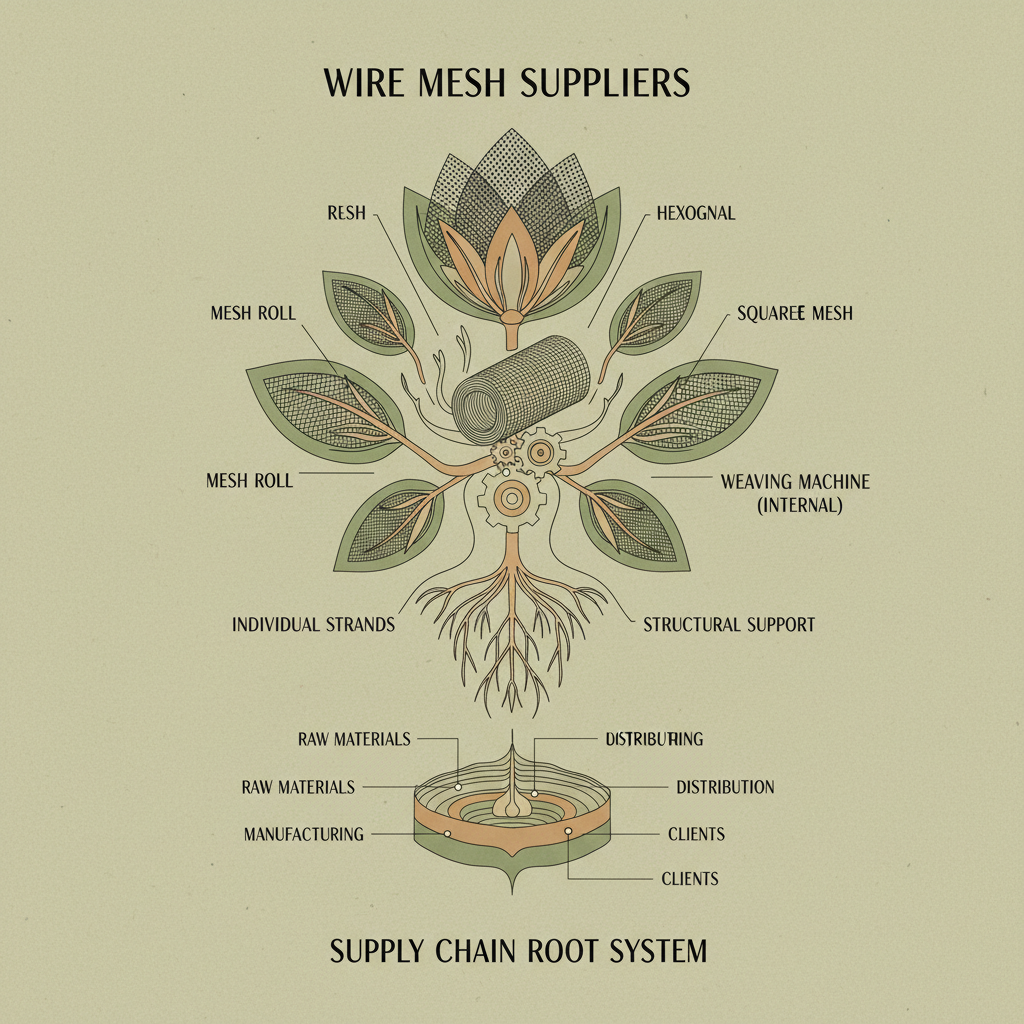
The Changing Landscape of Wire Mesh Suppliers
Wire mesh suppliers, honestly, they’ve had to up their game. It's not just about price anymore. It’s about getting the right alloy, the right weave, and delivering it on time. I've seen too many projects stalled because some supplier promised the moon and delivered… well, not the moon. They’re all chasing that "just-in-time" delivery, but have you noticed? It rarely works out that way.
It's also about specialization. You've got suppliers focusing on stainless steel, others on galvanized, some on specific weaves for filtration. You can't just go to one place anymore and get everything. You need to know your suppliers, build relationships. And a strong cup of coffee helps.
Design Pitfalls and Material Nuances
See, that's where the trouble starts. Architects and engineers, bless their hearts, they design these things in sterile offices. They don't understand what it's like to try and bend a piece of stiff mesh around a corner in sub-zero temperatures. I encountered this at a factory in Tianjin last time; they designed a complex curved screen, and the workers were spending hours wrestling with it.
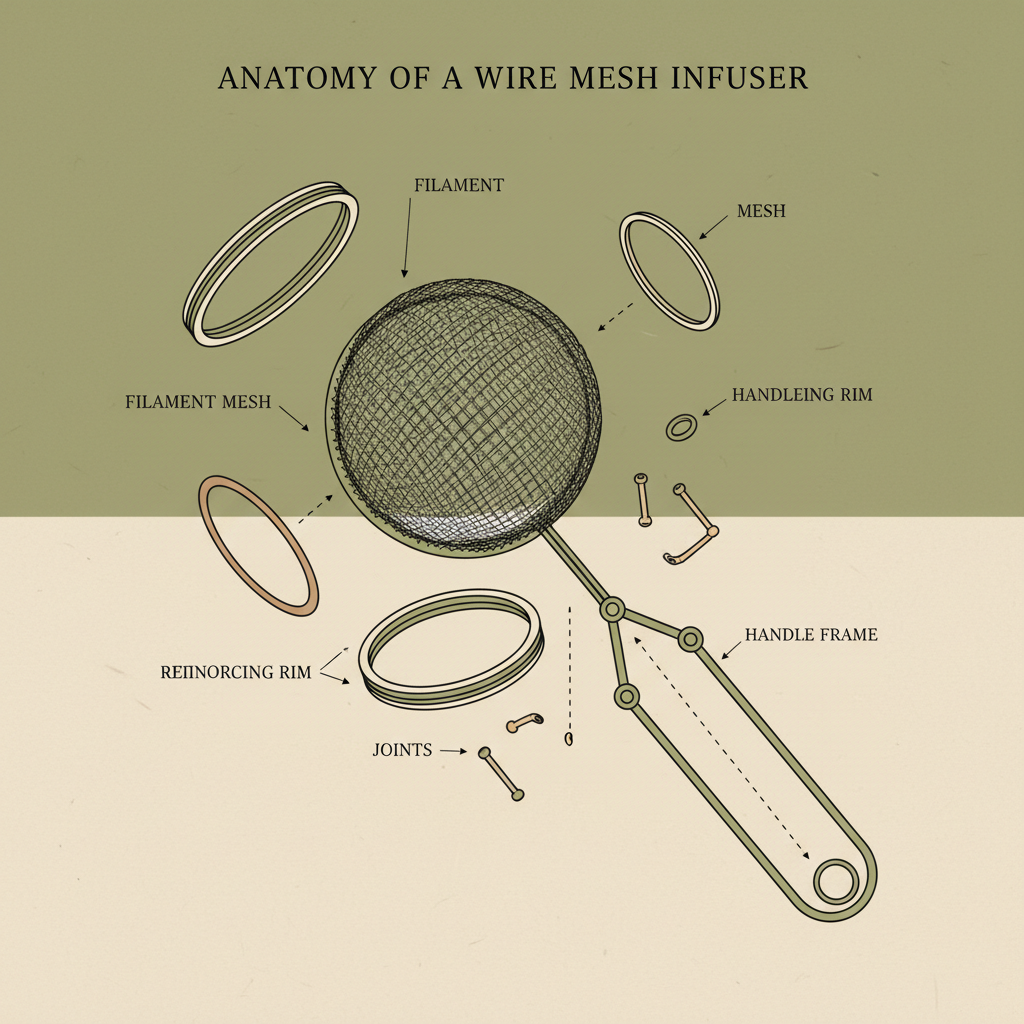
One common mistake is underspecifying the mesh gauge. It looks okay in the drawings, but when you actually load it, it sags. Or they’ll specify a material that’s great in the lab but corrodes like crazy in a real-world environment. Strangel,y, they often focus on tensile strength but forget about shear strength.
And the connections! Oh, the connections. That’s where everything falls apart. If you don't have a secure connection, all that fancy mesh is useless.
Material Deep Dive: What We're Actually Using
Let's talk materials. Stainless steel 304, that’s your workhorse. Smells… well, metallic, obviously. It’s cold to the touch, cuts clean. You can feel the quality. Galvanized steel, cheaper, but you smell that zinc, and it’s always a bit rougher. Aluminum, lightweight, but dents easily.
And the newer stuff? Polypropylene mesh? Feels… plasticky, I guess. It’s surprisingly strong, but it's not going to stand up to a lot of abuse. Titanium mesh? Expensive, very strong, but a pain to work with. You need special tools to cut it. It's all about knowing what each material is good for, and what it isn’t.
I’ve also started seeing a lot of coated meshes – PVC coated, epoxy coated. They add a layer of protection, but you need to make sure the coating doesn't crack or peel. That’s a whole other headache.
Real-World Testing & Unexpected Applications
Lab tests are fine, but they don't tell the whole story. We need to see how this stuff holds up in the real world. We’ve started doing more on-site testing - load tests, corrosion tests, even impact tests. Basically, we try to break it.
And the applications are always surprising. I mean, we all know about screens and filters, but I've seen mesh used for everything from reinforcing concrete to creating artistic facades. One guy used it to build a sculpture garden! Anyway, I think people are starting to realize that mesh isn't just a utilitarian material; it can be aesthetically pleasing too.
Wire Mesh Suppliers Performance Metrics
Advantages, Disadvantages, and Customization Potential
Look, every material has its pros and cons. Stainless steel is durable but expensive. Galvanized steel is cheap but rusts. Aluminum is lightweight but flimsy. It all depends on the application. The beauty of working with good wire mesh suppliers is they can help you navigate those tradeoffs.
The biggest advantage, really, is the versatility. You can bend it, cut it, weld it, shape it into almost anything. And increasingly, you can customize it. Last week, a client wanted a specific weave pattern with a particular coating. It wasn't standard, but the supplier was able to make it happen. That's what sets the good ones apart.
A Shenzhen Story: Type-C Interfaces and Regret
Last month, that small boss in Shenzhen who makes smart home devices, Mr. Li, insisted on changing the interface to Type-C for the enclosures. He thought it would look more modern. The supplier warned him, said it would weaken the structure around the port, but he wouldn’t listen. Said it was “essential for branding”. Well, guess what? The first batch failed quality control. The mesh around the Type-C port kept cracking under pressure. He had to scrap the whole batch and redesign the enclosure. Cost him a fortune.
He called me, practically begging for advice. I told him, “Sometimes, the best design is the simplest design.” He wasn’t happy to hear it, but he learned a valuable lesson. It also highlights the importance of trusting your supplier's experience.
Later… Forget it, I won't mention the argument we had about the thickness of the mesh.
The Bottom Line: It All Comes Down to the Screw
Ultimately, whether this thing works or not, the worker will know the moment he tightens the screw. If it feels solid, if it holds, if it doesn't bend or break, then it's good. If it feels flimsy, if it strips easily, if it looks wrong… well, then you’ve got a problem.
That's why it's so important to work with reliable wire mesh suppliers who understand the needs of the people on the ground. It’s not about fancy designs or cutting-edge materials; it’s about delivering a product that’s strong, durable, and easy to use. And, frankly, it's about suppliers who answer the phone when you call them at 6 AM because something’s gone wrong on site.
FAQS
Honestly? Underestimating the environment. They pick a mesh that looks good in the brochure but doesn’t hold up to UV exposure, salt spray, or just plain old wear and tear. You gotta think about where it's going to live, and what it's going to be up against. A coastal installation needs something very different than an indoor application. It’s not just about the material, it’s about the finish and the weave too.
Hugely important. Different weaves offer different properties. Plain weave is good for general use, twill weave is stronger, dutch weave is great for filtration. You need to match the weave to the application. I've seen projects fail because they chose the wrong weave, even with the right material. It's a deceptively complex topic, actually. And don't even get me started on the variations within each weave type.
That’s a big one. Stainless steel is good, but even stainless steel can corrode under certain conditions. Galvanized steel is cheaper, but it's going to rust eventually. The key is to choose the right grade of stainless steel or galvanization for the environment. And always, always consider the fasteners. If you use carbon steel screws with stainless steel mesh, you’re just asking for trouble.
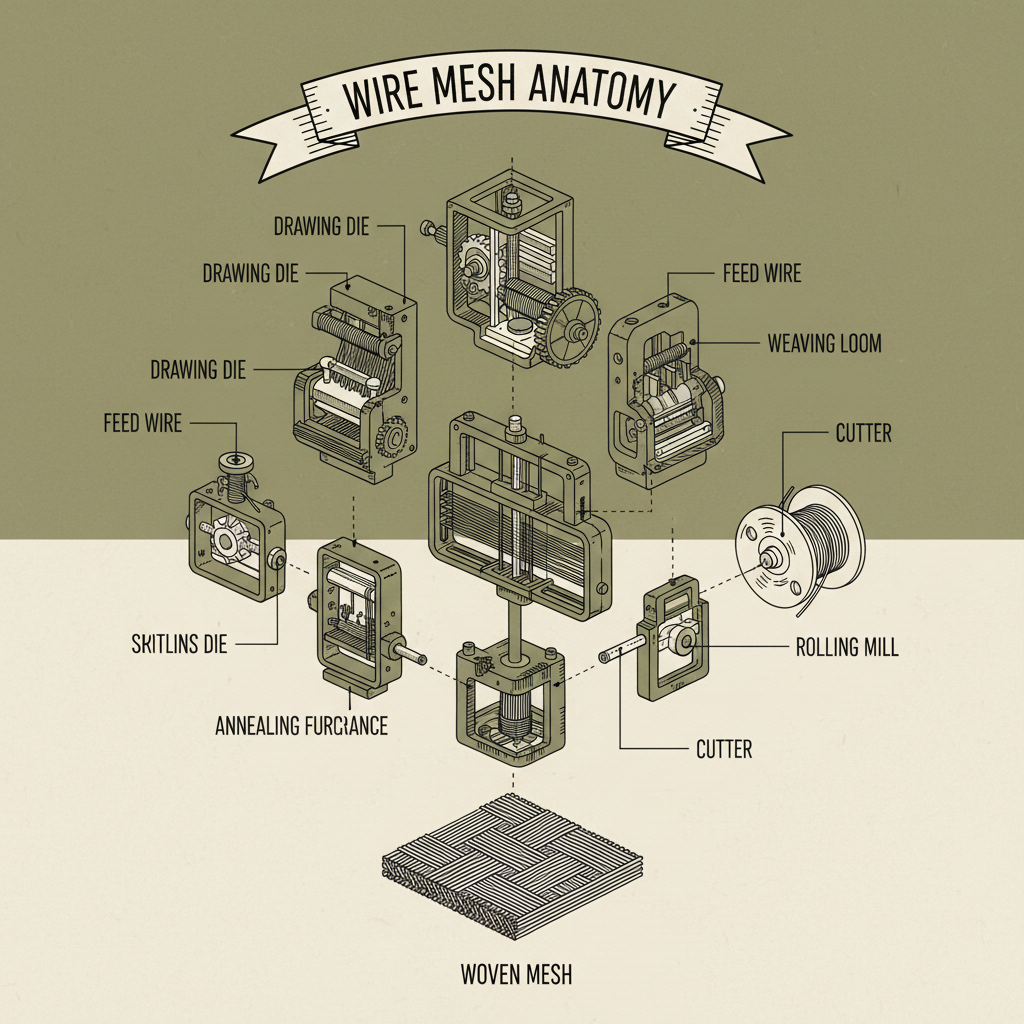
Absolutely. That’s where the good suppliers shine. They can customize the mesh size, the weave pattern, the material, the finish, even the shape. I had a client who needed a mesh with a specific aperture size for a biofilter. It wasn’t standard, but the supplier was able to weave it to spec. It took longer and cost more, but it solved the problem.
Simple: put it under load. See how it deflects, see how it holds up to bending and twisting. And if it’s a corrosion-prone environment, do a salt spray test. You can get inexpensive salt spray test kits online. It's not as accurate as a lab test, but it'll give you a good indication of how the mesh will perform over time. Don't rely on the datasheet alone!
I think we’ll see more focus on sustainable materials and manufacturing processes. People are starting to care more about the environmental impact of their choices. We’ll also see more automation in mesh production, which should lower costs and improve quality. And, honestly, more suppliers offering customized solutions. The days of one-size-fits-all are over.
Conclusion
So, there you have it. Wire mesh suppliers are navigating a changing landscape, dealing with complex materials, and facing increasing demands for customization and sustainability. It’s not just about selling a product anymore; it’s about providing solutions and building long-term relationships. The key is understanding the nuances of each material, recognizing the potential pitfalls in design, and always prioritizing quality and reliability.
Ultimately, whether this thing works or not, the worker will know the moment he tightens the screw. Visit our website: www.anshengfilterscreen.com to explore our range of wire mesh products and see how we can help you with your next project.