
Premium Stainless Steel Mesh Solutions for Every Need

Looking for top-quality 4mm stainless steel mesh? Need specialized 5 layer sintered wire mesh for industrial filtration? Our 5 micron wire mesh and 60 micron stainless steel mesh offer unmatched precision and durability. Whether for industrial, commercial, or DIY projects, we've got the perfect wire mesh solution for you!
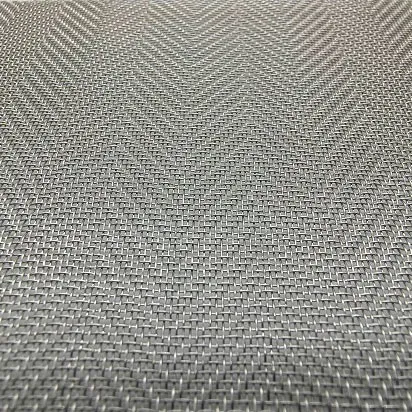
Premium Stainless Steel Mesh Solutions for Every Need

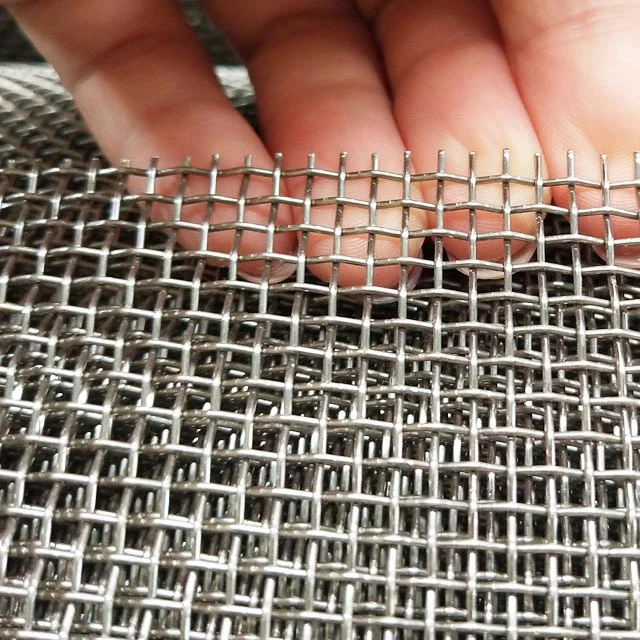
4mm Stainless Steel Mesh - The Perfect Balance of Strength & Versatility 


When you need reliable 4mm stainless steel mesh, our products deliver exceptional performance. This medium-sized mesh is ideal for:

Security screens - Provides excellent protection while maintaining visibility

Industrial sieving - Perfect for sorting aggregates and minerals

Agricultural fencing - Strong enough to contain livestock while resisting corrosion

Architectural design - Creates stunning visual effects for modern buildings


Our 4mm stainless steel mesh is available in 304 and 316 grades, offering different levels of corrosion resistance. The 316 grade is particularly suitable for marine environments or areas with high salinity.


Unlike cheaper alternatives, our 4mm stainless steel mesh maintains its structural integrity even under heavy loads. The precise weaving technique ensures uniform openings throughout the entire panel, guaranteeing consistent performance.


For contractors and builders, this mesh size offers the perfect balance between strength and airflow. It's commonly used in HVAC systems, machine guards, and safety barriers where both protection and ventilation are required.


5 Layer Sintered Wire Mesh - Superior Filtration Performance


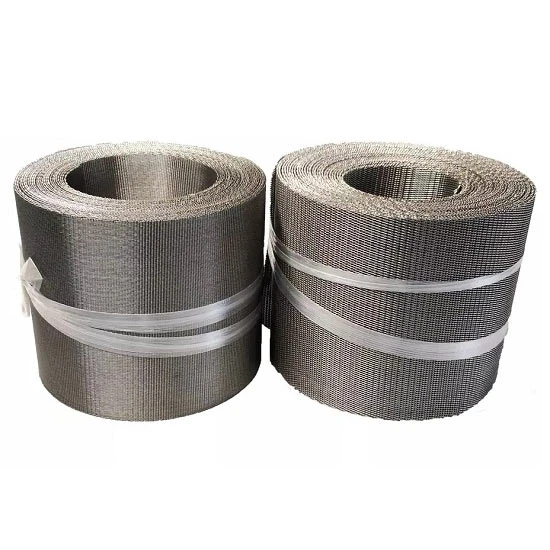
When standard mesh won't cut it, our 5 layer sintered wire mesh provides the ultimate filtration solution. This advanced material features:

Multiple filtration stages - Captures particles of varying sizes effectively

High temperature resistance - Withstands up to 800°C continuous operation

Exceptional strength - Maintains shape under high pressure differentials

Customizable porosity - Available in different micron ratings for specific needs


The 5 layer sintered wire mesh is particularly valuable in:
✔ Oil and gas industry - For filtering contaminants in pipelines
✔ Pharmaceutical production - Ensuring sterile processing environments
✔ Chemical processing - Withstanding corrosive materials
✔ Food and beverage - Meeting strict hygiene standards


What sets our 5 layer sintered wire mesh apart is its graded filtration capability. Each layer is precisely engineered to capture progressively smaller particles, significantly extending service life compared to single-layer filters.


For engineers dealing with high-pressure systems, this mesh provides exceptional structural stability while maintaining excellent flow rates. The sintering process creates strong metallurgical bonds between layers, preventing delamination even under extreme conditions.


5 Micron Wire Mesh - Precision Filtration for Critical Applications


When absolute precision matters, our 5 micron wire mesh delivers unmatched performance. This ultra-fine mesh is essential for:

Laboratory equipment - Ensuring particle-free results in sensitive experiments

Medical devices - Filtering fluids in dialysis and IV systems

Electronics manufacturing - Creating clean rooms and filtration systems

Aerospace components - Protecting sensitive instrumentation


The 5 micron wire mesh undergoes rigorous quality control to guarantee:
✓ Consistent aperture sizes (±2% tolerance)
✓ Smooth surface finish to prevent particle trapping
✓ High open area percentage for optimal flow rates
✓ Excellent durability despite fine structure


Available in both plain and twill weaves, our 5 micron wire mesh can be customized for specific flow characteristics. The twill weave version offers greater strength for high-pressure applications while maintaining precise filtration capabilities.


For water treatment plants, this mesh size is perfect for final polishing stages, removing the finest contaminants to produce ultra-pure water. In the automotive industry, it's used in fuel filtration systems to protect sensitive injectors.


60 Micron Stainless Steel Mesh - The Workhorse of Industrial Filtration 


The 60 micron stainless steel mesh is one of our most popular products, offering the perfect balance between filtration efficiency and flow rate. Key applications include:

Food processing - Straining liquids and filtering solids

Pharmaceuticals - Intermediate filtration stages

Mining operations - Classifying minerals and ores

Water treatment - Pre-filtration before finer stages


Our 60 micron stainless steel mesh stands out because:
• Durable construction - Withstands repeated cleaning and sterilization
• Precise openings - Uniform 60±3 micron apertures across entire surface
• Multiple material options - 304, 316, or 316L stainless steel
• Various weave types - Plain, twill, or Dutch weave available


In the brewing industry, this mesh size is ideal for wort filtration, removing husks while allowing sugars to pass through. For powder coating operations, it ensures consistent particle size distribution for flawless finishes.


The 60 micron stainless steel mesh is also widely used in window screens for coastal properties, offering excellent visibility while blocking salt spray and sand particles. Its corrosion resistance makes it perfect for marine environments where standard screens would quickly deteriorate.


Why Choose Our Stainless Steel Mesh Products? 


With so many mesh suppliers available, here's why professionals choose us:

  1. Unmatched Quality Control

  2. Every batch of 4mm stainless steel mesh5 layer sintered wire mesh5 micron wire mesh, and 60 micron stainless steel meshundergoes rigorous testing. We measure aperture sizes, tensile strength, and corrosion resistance to ensure consistent quality.
  3.  
  4. Customization Options

  5. Need special dimensions or alloys? We can produce:
    → Custom panel sizes up to 3m × 10m
    → Special alloys like Hastelloy or Monel
    → Unique weave patterns for specific applications
  6.  
  7. Fast Turnaround Times

  8. Most orders ship within 48 hours, with expedited options available. Our large inventory means we rarely backorder standard mesh products.
  9.  
  10. Technical Expertise
  11.  
  12. Our engineers can help you select:
    ✓ The right mesh size for your filtration needs
    ✓ Optimal material grade for your environment
    ✓ Best weave type for your flow requirements
  13.  
  14. Competitive Pricing
  15.  
  16. By manufacturing directly, we eliminate middleman markups. Volume discounts available for large orders of any mesh type.


FAQs About Stainless Steel Mesh 


What's the difference between 304 and 316 stainless steel mesh? 


304 is general-purpose, while 316 contains molybdenum for superior corrosion resistance, especially against chlorides. For marine or chemical applications, 316 is recommended.


Can your 5 micron wire mesh be autoclaved? 


Yes, our 5 micron wire mesh in 316 stainless steel can withstand repeated autoclaving at 121°C, making it perfect for medical and laboratory use.


How do I clean 5 layer sintered wire mesh filters? 


Backflushing with clean water or solvent works for most applications. For stubborn deposits, ultrasonic cleaning or thermal regeneration may be used following our guidelines.


What's the lead time for custom 60 micron stainless steel mesh sizes? 


Standard custom sizes ship in 3-5 business days. Non-standard weaves or alloys may require 7-10 days. Rush services available.


Do you provide samples of your 4mm stainless steel mesh?


Yes, we offer free samples (up to A4 size) of our 4mm stainless steel mesh so you can evaluate quality before large orders.


Don't compromise on quality - our 4mm stainless steel mesh5 layer sintered wire mesh5 micron wire mesh, and 60 micron stainless steel mesh deliver unmatched performance for professional applications.


✅ Industrial-grade durability - Built to last in tough conditions
✅ Precision manufacturing - Consistent quality you can rely on
✅ Expert support - Help choosing the perfect mesh for your needs


Special Offer: Get 10% off your first order of 60 micron stainless steel mesh - use code MESH10 at checkout!


Visit our website now to browse full specifications and place your order. For bulk inquiries or technical questions, contact our mesh experts today - we're ready to help you find the perfect filtration solution!


Why wait? Improve your operations with premium stainless steel mesh - order now for fast delivery!


Post time: ספט . 03, 2025 17:49
Related News
  • Plain weave is one of the most basic and fundamental fabric weaves. Its simplicity doesn’t equate to limited use; on the contrary, it's incredibly versatile and found in countless applications. This article will explore the characteristics of plain weave, its advantages, and, most importantly, what is plain weave used for across various industries. Understanding this weave is crucial for anyone involved in textiles, filtration, or composite materials. It's a cornerstone of many modern manufacturing processes. The plain weave is characterized by its simple over-under pattern. Each weft yarn (horizontal) alternates crossing over and under each warp yarn (vertical). This creates a distinct checkerboard-like appearance. This seemingly simple structure gives the fabric excellent stability and a balanced texture. The density of the weave – the number of warp and weft yarns per inch – directly affects the fabric’s properties, such as its strength, permeability, and drape. It’s a remarkably efficient weave, making it cost-effective for large-scale production. The versatility of plain weave makes it a go-to choice in numerous industries. Here's a breakdown of some key applications: Apparel Fabrics: Cotton, linen, and polyester plain weaves are used extensively in clothing – think shirts, blouses, bedsheets, and linings. Filtration: Plain weave fabrics are a fundamental component of many filter screens, used for separating solids from liquids or gases.

  • Dutch wire mesh, renowned for its precision and versatility, is a crucial material across various industries, from filtration and screening to architectural applications. This article delves into the specifics of Dutch wire mesh, its properties, applications, and why Ansheng Filter Screen is a leading provider of high-quality Dutch wire mesh solutions. Whether you are in need of precise filtration, robust screening, or specialized weaving, understanding the nuances of this material is key to making informed decisions. Let's explore the world of Dutch wire mesh and uncover its many benefits. Dutch wire mesh isn’t a specific weave style but rather a term signifying a precise method of weaving wire, primarily focusing on achieving extremely consistent aperture sizes. It’s characterized by its tightly controlled weave and uniform openings, making it ideal for applications where precise filtration or screening is critical. Typically made from stainless steel (304, 316L, and others), the mesh is known for its durability, corrosion resistance, and ability to withstand high temperatures. The process involves weaving wires in both warp and weft directions, creating a stable and dimensionally accurate fabric.

  • Dutch weave is a versatile type of woven wire mesh known for its unique structure and diverse applications. It's characterized by alternating plain and twill weaves, resulting in a fabric with excellent strength, flexibility, and permeability. This makes it ideal for a range of uses in industries like filtration, screening, and reinforcement. Ansheng Filter Screen specializes in high-quality dutch weave mesh, catering to diverse industrial needs. Understanding the properties and applications of dutch weave is key to maximizing its benefits in various sectors. Dutch weave isn’t a single weave pattern but a combination. It’s created by alternately weaving plain and twill patterns. The twill weave creates a diagonal rib pattern which impacts the mesh’s properties. This unique construction results in a mesh that is more open in one direction than the other, providing excellent flow characteristics. This makes it superior for applications needing high permeability while maintaining good structural integrity.

  • Protecting crops, buildings, and infrastructure from bird damage is a significant concern for many industries. Galvanised bird mesh provides a robust and effective solution. This article will explore the benefits, applications, and key considerations when choosing galvanised bird mesh, offering a detailed overview for those seeking reliable bird control. From agricultural protection to industrial applications, we will cover everything you need to know about this versatile product. Galvanised bird mesh is a woven wire netting coated with a layer of zinc. This galvanisation process provides excellent corrosion resistance, making it suitable for outdoor applications and harsh environments. The mesh is typically made from steel wire, offering strength and durability. Different mesh sizes are available to cater to various bird species and protection needs.

  • When selecting materials for industrial filtration, construction, or agricultural applications, galvanized steel mesh screen stands out as a durable and cost-effective solution. This article will provide a detailed overview of galvanized steel mesh screen, covering its properties, applications, benefits, and important considerations when making a purchase. Understanding its characteristics can help you determine if it’s the ideal material for your specific needs. We will delve into the nuances of this versatile material and how Ansheng Filter Screen provides quality products. Galvanized steel mesh screen is a woven wire mesh manufactured from steel that has been coated with a layer of zinc. This zinc coating acts as a protective barrier against corrosion and rust, significantly extending the lifespan of the steel. The galvanization process can be hot-dip galvanizing or electro-galvanizing, each offering different levels of protection and cost. The mesh is typically available in various weave patterns, such as plain weave, twill weave, and dutch weave, each suited for different filtration and screening needs.

  • Galvanized netting is a versatile and cost-effective solution for a wide range of applications, from agricultural fencing to industrial safety barriers. Its durability and resistance to corrosion make it a popular choice across numerous industries. This article will delve into the properties of galvanized netting, exploring its benefits, common uses, different types available, and how to select the best netting for your specific needs. Understanding the nuances of galvanized netting will ensure you make an informed decision and maximize its lifespan and effectiveness. Galvanized netting is woven from steel wire that has been coated with a layer of zinc through a process called galvanization. This zinc coating acts as a barrier against corrosion, protecting the steel from rust and environmental damage. There are two primary galvanization methods: hot-dip galvanizing and electro-galvanizing. Hot-dip galvanizing involves immersing the steel wire in a bath of molten zinc, creating a thick and durable coating. Electro-galvanizing uses an electric current to deposit a thinner layer of zinc onto the wire.

  • Dutch weave mesh is a versatile and durable material used in a wide range of industrial and filtration applications. Known for its unique weaving pattern, it provides excellent strength and permeability. This article will explore the characteristics, applications, benefits, and considerations when choosing Dutch weave mesh, providing a thorough understanding for professionals and buyers. Understanding its properties is vital to selecting the right mesh for your needs. Dutch weave mesh is created by weaving two sets of wires – one heavier warp wire and one finer shute wire – in a specific pattern. This construction results in a mesh with larger openings in one direction and smaller openings in the other. The heavier warp wires provide strength and dimensional stability, while the finer shute wires create a greater open area for improved flow rates. This unique structure differentiates it from plain weave or twill weave meshes, making it ideal for applications requiring both filtration and structural integrity.

  • Explore the benefits, applications, and vendors of Reverse Dutch Weave for industrial filtration systems. Learn how Ansheng Filter Screen delivers durable and high-performance filtration solutions.

WE PROVIDE HIGH QUALITYEQUIPMENT
Recommend Products
  • Stainless Steel Plain Weave Wire Mesh

    Stainless steel plain weave wire mesh, also known as Stainless steel wire cloth, stainless steel screen, stainless steel gauze. Materials: Stainless steel 201, 304, 316, 316L, etc. Plain weave scope of Mesh : 1mesh-635mesh Plain weave scope of wire diameter: 1mm-0.001mm Plain weave scope of width: usually 0.915m-2meters, and special specifications can be customized according to customer requirements. Plain weave scope of length: generally 30 meters. Stainless steel wire mesh weave type: plain weave, twill weave, herringbone weave, dutch weave, reserve dutch weave

  • Stainless Steel Reverse Dutch Weave Wire Mesh

    Stainless steel reserve dutch weave wire mesh, also known as Stainless steel wire cloth, stainless steel screen, stainless steel gauze. Materials: Stainless steel 201, 304, 316, 316L, etc. Reserve dutch weave scope of Mesh : 72x15mesh-260x40mesh Reserve dutch weave scope of wire diameter: 0.55mm-0.15mm Reserve dutch weave scope of width: usually 60mm-300mm, and special specifications can be customized according to customer requirements. Reserve dutch weave scope of length: generally 10 meters, 20 meters, 30meters. Stainless steel wire mesh weave type: plain weave, twill weave, herringbone weave, dutch weave, reserve dutch weave

  • Iron Dutch Weave Wire Mesh

    Low-carbon steel dutch weave wire mesh, also known as iron wire filter mesh, black wire cloth. Materials: Low-carbon steel Scope of Mesh : 7x55mesh-40x200mesh Scope of wire diameter: 0.14mm-0.75mm Scope of width: usually 0.915m-1.3meters, and special specifications can be customized according to customer requirements. Scope of length: generally 30 meters. Weave: plain weave, herringbone weave, dutch weave

  • Phosphor Copper Wire Mesh

    Phosphor copper wire mesh, also known as copper wire mesh. Materials: QSn6.5-0.1,QSn6.5-0.4 Property: Non-magnetic, wear resistant, good ductility Scope of Mesh : 2-300mesh Scope of wire diameter: 0.08mm-0.8mm Scope of width: usually 1m-1.5meters, and special specifications can be customized according to customer requirements. Scope of length: generally 30 meters. Weave: plain weave, twill weave

tel email tel top

If you are interested in our products, you can choose to leave your information here, and we will be in touch with you shortly.